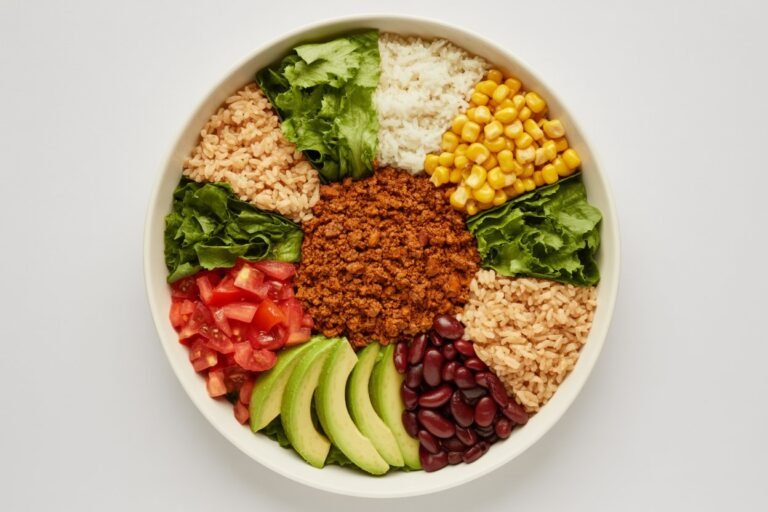
Losing 20 pounds sounds simple when you look at the number on paper, but actually doing it can feel very different.
I have learned that the hardest part of losing weight is not always knowing what foods are healthy or finding a workout you enjoy.
For me, the bigger challenge has always been finding a way to eat less without thinking about food all day.
When I made my meals too small or tried to be overly strict, I usually ended up feeling hungry, tired, and frustrated. That approach never felt realistic for everyday life.
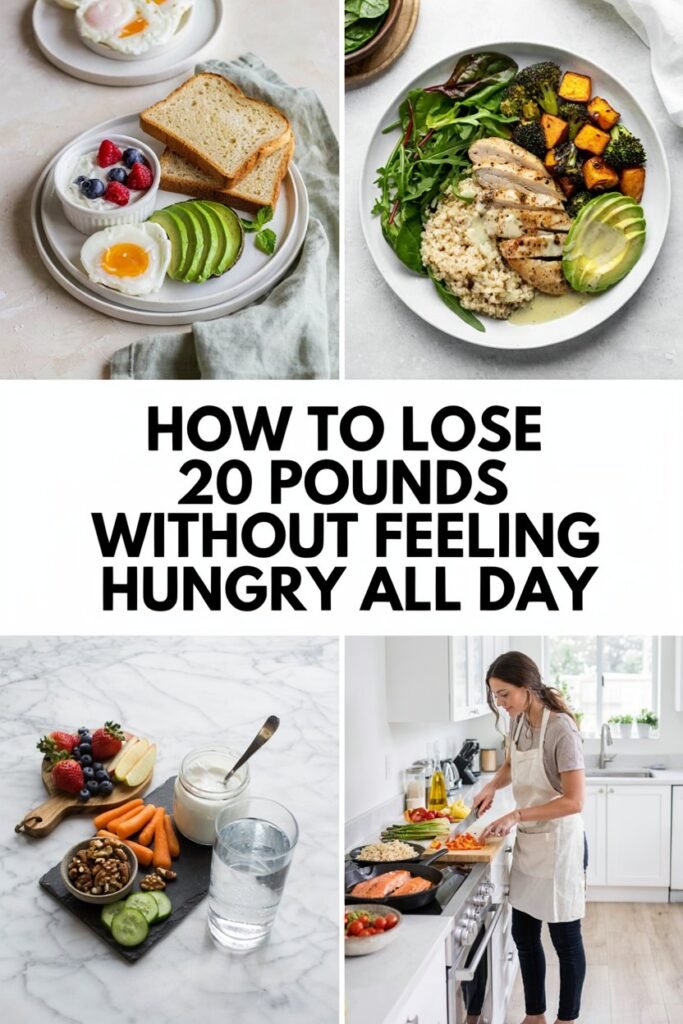
What made a much bigger difference was learning how to build meals that actually kept me satisfied.
I started paying more attention to protein, fiber, portions, meal timing, snacks, and the foods that helped me feel full without making my meals boring.
I also stopped treating one higher calorie meal as a reason to give up for the rest of the day.
If you are trying to lose 20 pounds without constantly feeling hungry, these are the strategies I would focus on first.
Start by Making Your Meals More Filling

One of the biggest mistakes I made when trying to lose weight was assuming that a smaller meal automatically meant a better weight loss meal.
It does not.
A tiny bowl of food may look impressive on a calorie tracking app, but if you are hungry again an hour later, it becomes much harder to stay consistent.
I eventually realized that I needed to think about satisfaction, not just calories.
When I build a meal now, I want it to have enough food on the plate to actually feel like a meal.
That usually means including a good source of protein, plenty of vegetables or fruit, and a reasonable portion of a carbohydrate that I enjoy.
For example, instead of eating a very small portion of chicken by itself, I would rather have chicken with roasted vegetables and a serving of potatoes or rice.
That combination feels like real food and is much easier for me to stick with.
This is an important mindset shift.
The goal is not to see how little food you can survive on.
The goal is to create meals that help you stay within your overall calorie needs while still feeling satisfied.
Make Protein the Center of Your Meals

Adding more protein was one of the simplest changes I made to my meals.
I noticed that meals built around protein tended to keep me satisfied much longer than meals that were mostly refined carbohydrates or small snacks.
I also found it much easier to control random cravings when my meals were actually substantial.
You do not need to make every meal complicated.
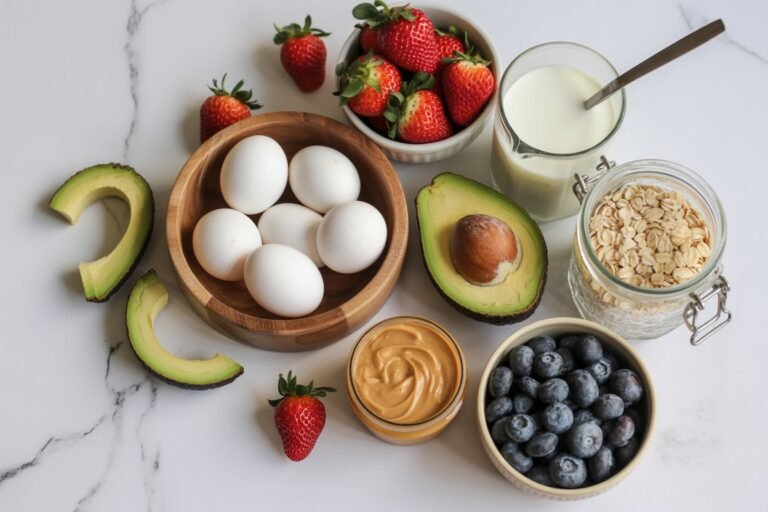
Eggs can work for breakfast. Greek yogurt can make an easy snack. Chicken, turkey, fish, lean beef, beans, cottage cheese, and other protein rich foods can work throughout the day.
One of my favorite simple combinations is a protein source with rice or potatoes and a generous serving of vegetables. It is filling, easy to prepare, and does not feel like typical diet food.
For breakfast, I might have eggs with toast and fruit.
For lunch, a chicken and rice bowl with vegetables works well.
For dinner, I might have fish or lean meat with potatoes and roasted vegetables.
The exact foods are not the important part. The important part is making sure your meals contain enough protein to make them satisfying.
Add More Fiber Without Making Your Diet Complicated
Fiber became another important part of how I approached weight loss.
When I started paying attention to the amount of vegetables, fruit, beans, oats, potatoes, and whole grains in my meals, I found that I could eat a satisfying amount of food without relying on huge portions of calorie dense foods.
This does not mean you need to turn every meal into a giant salad.
I actually prefer keeping things simple.
If I am having chicken and rice, I can add broccoli, peppers, carrots, cucumber, tomatoes, or another vegetable I already have available.
If I am making breakfast, berries or another piece of fruit can add volume and make the meal feel more complete.
Beans and lentils can also be useful because they provide both fiber and protein.
One thing I would not do is suddenly add a huge amount of fiber overnight.
If your usual diet is low in fiber, increasing it gradually and drinking enough fluids can make the transition much more comfortable.
The point is not to eat perfectly.
It is to make your normal meals more filling.
Stop Thinking That You Need to Eliminate Carbs
I used to think that losing weight would be much easier if I simply stayed away from bread, rice, potatoes, pasta, and other carbohydrate foods.
For me, that was not a sustainable approach.
I enjoy these foods, and completely removing them made meals feel unnecessarily restrictive. Eventually, I realized that I could include carbohydrates while still working toward weight loss.
The difference was learning to pay attention to portions and the rest of the meal.
A plate does not need to be mostly rice with a tiny amount of chicken and vegetables.
I would rather have a satisfying portion of protein, plenty of vegetables, and a reasonable serving of rice or potatoes.
That feels much more normal.
You also do not need to label carbohydrates as bad foods.
Weight loss comes down to your overall energy intake and your ability to maintain a consistent routine, not whether you ate a potato with dinner.
If you love pasta, learn how to build a balanced pasta meal.
If you enjoy rice, include a sensible portion alongside protein and vegetables.
If bread is part of your breakfast, you do not automatically need to remove it.
Making your diet flexible is one of the things that can make losing 20 pounds feel much less miserable.
Eat Foods That Give You More Volume
One of the most useful things I learned was that not all calories feel the same in your stomach.
Some foods can give you a surprisingly large amount of food for relatively few calories, while other foods can contain a lot of calories in a very small portion.
That is why I like adding high volume foods to meals when I am trying to lose weight.
Vegetables are an obvious example.
A bowl containing cucumber, tomatoes, lettuce, peppers, carrots, and other vegetables can make a meal feel much larger.
Fruit can also be useful when you want something naturally sweet.
Potatoes are another food I personally like because they can be surprisingly satisfying when prepared simply.
The same goes for foods such as watermelon, berries, oranges, soups, and air popped popcorn.
This does not mean you should eat unlimited amounts of these foods.
Portions still matter.
It simply means that when I want to feel like I have eaten a proper meal, I would rather build volume with vegetables, fruit, and other filling foods than use most of my calories on a very small amount of something extremely calorie dense.
Be Careful With Calories You Drink
Drinks can be easy to overlook when you are trying to lose 20 pounds.
A person can eat relatively reasonable meals and still consume a significant amount of extra calories through soda, sweetened coffee, juice, specialty drinks, alcohol, and other calorie containing beverages.
I am not saying you can never enjoy these things.
I simply found it easier to manage my overall intake when most of what I drank was water, sparkling water, unsweetened tea, or coffee without a lot of added sugar and cream.
If you love sweet coffee every morning, you do not necessarily need to quit drinking coffee.
You can start by looking at what you are adding to it and whether there is an easier way to reduce the calories without making it something you hate.
The same idea applies to other drinks.
Small changes can add up without making you feel like you are following a strict diet.
Do Not Let Yourself Get Extremely Hungry
This is something I pay much more attention to now.
There is a big difference between being mildly hungry before a meal and reaching the point where you feel like you could eat everything in the kitchen.
When I allowed myself to get extremely hungry, making a balanced food choice became much harder.
I was more likely to eat quickly, take larger portions, and keep looking for something else after finishing my meal.
That is why I prefer having a basic structure to my day.
I do not need to eat at exactly the same time every day, but I like knowing roughly when my meals will happen and having something available if I genuinely need a snack.
This also means I do not believe everyone needs to follow the same eating schedule.
Some people prefer three larger meals.
Others feel better with three meals and a snack.
Some people naturally enjoy a smaller breakfast and larger lunch.
The best approach is the one that helps you control your overall intake without leaving you constantly distracted by hunger.
Make Your Snacks Work for You
Snacking is not automatically a problem.
For me, the problem was mindless snacking.
There is a big difference between deciding to have Greek yogurt and berries because you are genuinely hungry and repeatedly grabbing small handfuls of food every time you walk through the kitchen.
When I want a snack, I prefer choosing something that actually gives me some satisfaction.
Greek yogurt and fruit is an easy option.
An apple with a small amount of peanut butter can also work.
Popcorn, cottage cheese, boiled eggs, vegetables with hummus, or a piece of fruit can all fit into a weight loss routine depending on your overall needs.
The goal is not to eliminate snacks.
The goal is to stop treating snacks like something that does not count.
Those little bites still contribute to your total intake, so being intentional about them can make losing weight much easier.
Do Not Try to Lose the Entire 20 Pounds at Once
Twenty pounds can feel like a huge number when you are standing at the beginning.
I found it much easier mentally when I stopped thinking about the entire amount every day.
Instead of waking up thinking, “I still have 20 pounds to lose,” focus on the habits you can repeat today.
Eat filling meals.
Get enough protein.
Include vegetables and fruit.
Move your body.
Drink mostly low calorie beverages.
Pay attention to portions.
Get back on track after an imperfect meal.
Then repeat.
The scale will not always cooperate immediately. Your weight can move up and down because of water, food volume, sodium, hormones, digestion, and other normal factors.
That is why I would never judge an entire weight loss effort based on one morning’s number.
Consistency matters much more than perfection.
Here is Part 2, continuing with the same personal, practical style and keeping the article clean with no emojis or dashes.
Build Meals You Actually Look Forward To
One thing that made losing weight easier for me was stopping the idea that every meal had to look like diet food.
If I sat down to a plate of plain vegetables and a tiny piece of chicken, I already knew I would be thinking about what else I could eat afterward. That made the whole process feel harder than it needed to be.
Instead, I started making lighter versions of meals I genuinely enjoyed.
If I wanted tacos, I could have tacos with a reasonable portion of meat, plenty of vegetables, salsa, and a sensible amount of cheese or avocado.
If I wanted pasta, I could have pasta with a good protein source and vegetables rather than trying to eliminate it completely.
If I wanted a burger, I could make one at home and serve it with a large salad or roasted vegetables instead of automatically adding several high calorie sides.
This approach helped me realize that weight loss does not require every meal to be boring.
The more I enjoyed my meals, the easier it became to stay consistent.
Stop Saving All Your Food for Dinner
I understand why this happens.
You wake up determined to lose weight, eat very little during the morning, have a small lunch, and tell yourself that you will save most of your calories for dinner.
Then evening arrives and you are absolutely starving.
That was never a strategy I found particularly helpful.
By the time dinner arrived, I was not thinking about making a sensible plate. I was thinking about how hungry I was.
Eating enough earlier in the day can make it much easier to make reasonable decisions later.
That does not mean you need to eat a huge breakfast if you are not hungry in the morning.
It simply means you should pay attention to how your eating pattern affects you.
If skipping breakfast leaves you comfortable and helps you stay consistent, that may work for you.
If skipping breakfast makes you ravenous by lunchtime, there is no reason to force yourself to do it.
The same applies to lunch and snacks.
Your eating schedule should help you manage hunger rather than constantly fighting it.
Learn the Difference Between Hunger and a Craving
This was another area where I had to become more aware of my own habits.
Sometimes I am genuinely hungry.
Other times I want something because I am bored, stressed, tired, watching television, or simply know there is something tasty sitting in the kitchen.
Those situations can feel very similar in the moment.
One thing that helps me is pausing for a minute before automatically reaching for food.
I ask myself whether I would be happy eating something simple, such as fruit, yogurt, eggs, or a normal meal.
If the answer is yes, I am probably genuinely hungry.
If I only want a very specific food and nothing else sounds appealing, it may be more of a craving.
That does not mean the craving needs to be ignored.
I just find it easier to make a conscious decision when I recognize what is actually happening.
Sometimes I will have the food I want.
Other times I will realize that I am tired or bored and decide to do something else first.
There is no need to turn this into a strict rule.
It is simply about becoming more aware of why you are eating.
Keep Your Favorite Foods in Your Routine
I do not believe that successful weight loss requires giving up every food you enjoy.
For me, that kind of restriction eventually makes food feel much more important than it should.
If I tell myself that I can never eat pizza again, I am probably going to think about pizza even more.
Instead, I would rather have a reasonable amount, enjoy it, and move on.
This is especially important when you have a family.
You may have dinners where everyone wants something different.
You may have birthdays, weekends, restaurants, celebrations, or nights when you simply do not feel like cooking a perfectly balanced meal.
Real life does not stop because you are trying to lose 20 pounds.
Your plan needs to leave room for that.
I have found that one meal does not determine the result.
What matters is what I do most of the time.
If I eat a higher calorie dinner on Saturday, I do not need to punish myself by skipping meals on Sunday.
I simply return to my normal routine.
That mindset has made the process much easier.
Use Portion Awareness Instead of Banning Foods
Portion control sounds simple, but I think it is often misunderstood.
You do not necessarily need to weigh every ingredient for the rest of your life.
What helped me was becoming familiar with reasonable portions and learning which foods were easy for me to overeat.
Some foods are naturally easier to portion.
Other foods can disappear quickly without me realizing how much I have eaten.
Things such as nuts, peanut butter, cheese, oils, sauces, dressings, chips, sweets, and other calorie dense foods can add up quickly because a small amount can contain quite a few calories.
That does not make them bad foods.
It simply means I pay more attention to how much I am using.
For example, instead of pouring dressing directly onto a salad, I may measure or use a smaller amount first.
Instead of eating straight from a large bag of snacks, I can put a portion into a bowl.
These tiny changes can make a surprisingly big difference because they remove some of the guesswork.
Make Your Kitchen Work in Your Favor
Your environment matters more than most people realize.
If I am hungry and there is a large package of cookies sitting open on the counter, eating them becomes much easier.
That does not mean I need to remove every enjoyable food from the house.
It means I try to make the foods I want to eat more often easy to see and easy to prepare.
I might keep fruit on the counter.
I can prepare cooked protein in advance.
I can wash vegetables so they are ready to use.
I can keep Greek yogurt, eggs, potatoes, rice, frozen vegetables, and other simple foods available.
When healthy or filling options require very little effort, I am much more likely to choose them.
This is especially helpful on busy days when I am working, running errands, dealing with household responsibilities, or simply tired.
I do not want to make every meal a complicated project.
Prepare a Few Foods Ahead of Time
Meal preparation does not have to mean spending your entire Sunday cooking twenty containers of food.
I prefer keeping it simple.
If I know I will have a busy week, I might cook a batch of chicken or another protein, prepare some rice or potatoes, and have vegetables ready to use.
That gives me a few building blocks for quick meals.
I can turn the same ingredients into a rice bowl, salad, wrap, or dinner plate without eating exactly the same thing every day.
Having food prepared also helps me avoid making decisions when I am extremely hungry.
When there is already something reasonably balanced in the refrigerator, ordering takeout or grabbing whatever is easiest becomes less tempting.
The goal is not perfection.
The goal is reducing the number of situations where hunger forces you to make a decision quickly.
Drink More Water, But Do Not Expect Water to Do the Work
Drinking enough water is useful, but I would not build an entire weight loss strategy around it.
You will sometimes see advice claiming that drinking water before every meal will melt fat away or dramatically increase metabolism.
I would be much more cautious with those claims.
Water is simply a calorie free drink that can help you stay hydrated, and replacing high calorie beverages with water can reduce your overall calorie intake.
That is already useful.
I also find that thirst can sometimes feel similar to hunger, especially when I have been busy and have not had much to drink.
Keeping a water bottle nearby makes it easier for me to remember.
You do not need to force yourself to drink enormous amounts of water.
Just make hydration part of your normal routine.
Walk More Without Turning Exercise Into Punishment
Exercise can support weight loss, but I do not think you need to make yourself miserable with workouts to lose 20 pounds.
Walking is one of the easiest forms of movement to add to an ordinary day.
I like that it does not require complicated equipment, and it can fit around everyday life.
A walk after dinner can be useful.
Walking while listening to something can make it feel less like exercise.
Taking more steps while running errands or doing things around the house can also contribute to your overall activity.
The important thing is to find movement that you can actually repeat.
If you hate running, forcing yourself to run five days a week is probably not going to create a sustainable routine.
If you enjoy walking, strength training, cycling, dancing, swimming, or home workouts, use those activities instead.
Exercise should support your weight loss efforts, not become a punishment for eating.
Include Strength Training If You Can
When losing weight, the number on the scale is not the only thing worth considering.
If you are able to include strength training, it can be a useful part of a weight loss routine because maintaining muscle is important while reducing body weight.
You do not need a complicated gym program.
Simple exercises such as squats, lunges, rows, presses, glute bridges, and other basic movements can be adapted to your fitness level.
Even short sessions can be worthwhile when you perform them consistently.
I would rather have a simple routine that I can maintain than an intense program that leaves me exhausted and ready to quit after two weeks.
The same principle applies to cardio.
More is not automatically better.
Consistency is what matters.
Pay Attention to Sleep
Sleep is easy to ignore when you are focused on food and exercise.
But when I am tired, everything feels harder.
It becomes easier to reach for convenient food, skip exercise, snack mindlessly, and make decisions based on what sounds good in the moment.
That is why I try to treat sleep as part of the weight loss routine rather than something separate from it.
You do not need a perfect bedtime routine.
Even small improvements can help make your days feel more manageable.
Going to bed at a more consistent time, reducing unnecessary screen time late at night, and giving yourself enough opportunity to sleep can make it easier to stick with your normal habits.
Weight loss is not just about what happens on your plate.
Your daily routine matters too.
Find Ways to Manage Stress That Do Not Involve Food
Stress eating can be difficult because food can provide immediate comfort.
I understand the temptation to reach for something sweet after a stressful day.
The problem is not having a treat occasionally.
The problem is when food becomes the automatic response to every difficult emotion.
I have found it helpful to have a few other ways to decompress.
Sometimes that means going for a walk.
Sometimes it means taking a shower, listening to music, watching something relaxing, talking to someone, cleaning the house, or simply stepping away from whatever was stressing me out.
You do not need to eliminate emotional eating completely.
That is not realistic.
The goal is to have other options so that food is not your only way of coping with stress.
Have a Plan for Evening Hunger
Evening hunger can be one of the biggest obstacles when trying to lose weight.
You finish dinner, sit down to relax, and suddenly you want something sweet or salty.
This is especially common when your meals earlier in the day were too small.
The first thing I would look at is whether you are actually eating enough during the day.
If you are consistently going to bed hungry, your overall eating pattern may need to change.
If you are genuinely hungry after dinner, having a planned snack can be completely reasonable.
Greek yogurt, fruit, cottage cheese, popcorn, or another satisfying option can work depending on your preferences and overall calorie needs.
If you are not hungry but simply want to snack because you are watching television, you can try giving yourself ten or fifteen minutes before deciding.
Sometimes the urge passes.
Sometimes it does not.
If you still want something after that, you can make a deliberate choice instead of eating automatically.
Do Not Let One Bad Meal Become a Bad Day
This is probably one of the most important lessons I have learned.
You can eat perfectly all day and then have a restaurant meal that contains more calories than you planned.
That does not mean the day is ruined.
You can have dessert at a birthday party.
You can eat pizza with your family.
You can have a weekend meal that is heavier than usual.
The mistake is deciding that because you already ate more than planned, you might as well continue eating everything you want.
I have done that before, and it only makes the next day harder.
Now I try to think about the next decision instead.
If lunch was heavier than planned, dinner can simply be normal.
If Saturday was indulgent, Sunday does not need to become a punishment day.
You do not need to compensate for one meal by starving yourself.
Just return to your normal routine.
That is how sustainable weight loss is built.
Focus on What You Can Repeat
When I look at the habits that make losing weight easier, none of them are particularly exciting.
There is no secret food.
There is no magical drink.
There is no perfect workout.
The biggest difference comes from repeating simple things often enough.
Eating filling meals.
Getting enough protein.
Including vegetables and fruit.
Being aware of portions.
Drinking mostly low calorie beverages.
Moving regularly.
Sleeping enough.
Planning for snacks.
Allowing favorite foods in reasonable amounts.
Getting back on track after an imperfect day.
These habits may not produce dramatic results overnight, but they are much easier to build into normal life.
And that matters when your goal is not simply to lose 20 pounds, but to keep the weight off once you get there.
What a Satisfying Day of Eating Can Look Like
When I am trying to lose weight without feeling hungry all day, I do not want to spend the entire day calculating what I can and cannot eat.
I prefer having a simple structure that gives me enough food to feel satisfied while still leaving room for foods I enjoy.
Here is an example of what that can look like.
Breakfast
I might have two eggs with whole grain toast and a serving of fruit.
If I know I will have a long morning, I may add Greek yogurt or another protein source rather than trying to get through the morning on a very small breakfast.
The goal is to start the day with something that actually keeps me going.
Lunch
For lunch, I might make a chicken and rice bowl.
I can use a reasonable serving of cooked chicken, rice, plenty of vegetables, and a flavorful sauce or dressing.
This is one of those meals that can be changed easily depending on what I have available.
Sometimes I will use potatoes instead of rice.
Other times I might turn the same ingredients into a wrap or salad.
Afternoon Snack
If I am hungry between lunch and dinner, I would rather have a planned snack than try to ignore the hunger and arrive at dinner starving.
Greek yogurt with berries is an easy choice.
Fruit, cottage cheese, popcorn, a boiled egg, or another filling snack can also work.
The right choice depends on your preferences and your overall calorie needs.
Dinner
Dinner might be salmon, chicken, turkey, lean beef, or another protein with potatoes or rice and a generous amount of vegetables.
I do not need dinner to be tiny.
I want it to feel satisfying.
That is one of the biggest differences between the way I approach weight loss now and the way I used to approach it.
Evening
If I am genuinely hungry later in the evening, I can have something small rather than lying in bed thinking about food.
If I am not hungry and simply want to snack because I am bored, I might make a cup of tea, take a shower, read, or do something else for a little while.
There is no need for an extreme rule that says I can never eat after a certain hour.
A Simple 20 Pound Weight Loss Framework
If I were starting a 20 pound weight loss goal today, I would keep the plan much simpler than many diet programs make it sound.
I would start by looking at my current eating habits rather than changing everything overnight.
For the first week, I would pay attention to what I normally eat and drink.
I would look for the meals that leave me satisfied and the situations where I tend to overeat.
Then I would make a few changes.
I would increase the protein in my meals.
I would add more vegetables and fruit.
I would reduce unnecessary liquid calories.
I would pay closer attention to portions of calorie dense foods.
I would keep foods I enjoy instead of banning them.
I would start moving more consistently.
I would also make sure I was getting enough sleep whenever possible.
Once those habits felt normal, I could make additional changes if needed.
There is no reason to completely rebuild your life in one weekend.
Small changes are often easier to maintain because they give you time to figure out what actually works for you.
What I Would Eat More Often
When trying to lose weight without constantly feeling hungry, I would build most of my meals around foods that provide a good combination of protein, fiber, volume, and satisfaction.
Some of the foods I would keep around include:
- Eggs
- Greek yogurt
- Cottage cheese
- Chicken
- Turkey
- Fish
- Lean beef
- Beans
- Lentils
- Potatoes
- Rice
- Oats
- Whole grain bread
- Berries
- Apples
- Oranges
- Bananas
- Broccoli
- Carrots
- Cucumbers
- Tomatoes
- Peppers
- Leafy greens
- Frozen vegetables
- Popcorn
That does not mean these are the only foods you can eat.
They are simply useful building blocks.
The best weight loss foods are often the foods you actually enjoy enough to eat repeatedly.
Foods I Would Be More Careful With
I would not call these foods bad.
I simply know that some foods are very easy for me to overeat.
That includes things like chips, sweets, pastries, large amounts of cheese, nuts, peanut butter, creamy sauces, fried foods, sugary drinks, and heavily processed snacks.
These foods can absolutely fit into a balanced diet.
The difference is that I pay more attention to portions.
A spoonful of peanut butter can easily turn into several spoonfuls if I am eating directly from the jar.
A small serving of chips can become half the bag if I am watching television and not paying attention.
That is why portioning these foods before eating them can be helpful.
It is not about removing enjoyment.
It is about knowing what you are actually eating.
Common Mistakes That Can Make Weight Loss Feel Miserable
Eating Too Little During the Day
Trying to save calories by barely eating breakfast and lunch can leave you extremely hungry later.
A better approach is finding meals that keep you satisfied throughout the day.
Cutting Out Entire Food Groups
You do not automatically need to eliminate carbohydrates, dairy, bread, fruit, or other foods unless there is a specific reason to do so.
Removing foods you enjoy can make your diet harder to maintain.
Relying on Small Snacks Instead of Real Meals
Eating tiny snacks throughout the day may not satisfy you as well as sitting down to a proper meal.
Sometimes you are not looking for another snack.
You are simply hungry for lunch or dinner.
Ignoring Liquid Calories
Coffee additions, soda, juice, alcohol, smoothies, and sweetened drinks can contribute more calories than people realize.
Exercising to Compensate for Food
Exercise should not become punishment.
You do not need to earn your dinner by doing an exhausting workout.
Being Perfect During the Week
Trying to eat perfectly Monday through Friday and then completely abandoning the plan on weekends can make progress much harder.
A sustainable routine needs to work seven days a week, even if some days are more flexible than others.
Weighing Yourself and Panicking
The scale can move for reasons that have nothing to do with gaining body fat.
A salty meal, a later dinner, constipation, hormonal changes, or simply having more food in your digestive system can affect your weight.
Look at the overall trend instead of reacting to every individual number.
How to Know Whether Your Plan Is Working
I would give your routine enough time to evaluate before making major changes.
Look at your weight trend rather than one isolated weigh in.
If you weigh yourself, doing it under similar conditions can make the numbers easier to compare.
You can also track other signs of progress.
Your clothes may fit differently.
Your waist measurement may change.
You may notice that walking feels easier.
You may become stronger during workouts.
You may feel more confident preparing your own meals.
These things matter.
Weight loss is not only about watching a number get smaller.
It is also about building habits that make maintaining a healthy weight easier.
What If You Are Not Losing Weight?
This is where I would avoid immediately cutting your food intake dramatically.
First, look at what is actually happening.
Are portions larger than you think?
Are drinks adding calories?
Are weekend meals much higher than weekday meals?
Are snacks being eaten without tracking or awareness?
Have you been consistent long enough to see a real trend?
Has your activity changed?
Are you weighing yourself under different conditions?
Sometimes the issue is not that the diet has stopped working.
Sometimes the intake has gradually increased without you noticing.
That is why I prefer making one small adjustment at a time rather than suddenly cutting hundreds of calories.
If you have a medical condition, take medications that affect weight, are pregnant or breastfeeding, have a history of an eating disorder, or have other health concerns, it is important to get individualized guidance from an appropriate healthcare professional rather than relying on a general weight loss plan.
How Long Does It Take to Lose 20 Pounds?
There is no single timeline that applies to everyone.
Your starting weight, calorie intake, activity level, age, body composition, genetics, medications, health status, and many other factors can influence how quickly your weight changes.
I would be very cautious about anyone promising that you will lose exactly 20 pounds in a specific number of weeks.
A slower approach may feel frustrating when you want results immediately, but it can be much easier to maintain.
The important thing is to create habits you can continue instead of trying to force the scale down as quickly as possible.
Can You Lose 20 Pounds Without Feeling Hungry?
Yes, it is possible to make weight loss much more manageable by choosing filling foods, building balanced meals, including enough protein and fiber, paying attention to portions, and avoiding unnecessary restriction.
That does not mean you will never feel hungry.
Some hunger is normal when your energy intake is lower than your body needs.
The goal is to keep hunger manageable rather than trying to eliminate it completely.
If you are constantly starving, thinking about food all day, feeling weak, or struggling to function normally, your approach may be too restrictive and should be reconsidered.
What Foods Keep You Full While Losing Weight?
Foods that combine protein, fiber, and volume tend to be especially useful when trying to stay satisfied.
Examples include eggs, Greek yogurt, chicken, fish, beans, lentils, potatoes, oats, fruit, vegetables, and whole grains.
You can also combine foods to make a meal more satisfying.
For example, Greek yogurt with berries is more substantial than eating a small sweet snack by itself.
Chicken with vegetables and potatoes is more satisfying than eating a very small portion of chicken alone.
The combination matters.
Can You Eat Carbs and Still Lose 20 Pounds?
Absolutely.
Rice, potatoes, oats, bread, pasta, fruit, beans, and other carbohydrate foods can all fit into a weight loss plan.
What matters is your overall energy intake and how those foods fit into your meals.
I personally find it much easier to maintain my eating routine when I do not make certain foods completely forbidden.
A reasonable portion of rice or potatoes alongside protein and vegetables can make a meal feel much more satisfying.
What Should You Eat When You Are Hungry at Night?
First, ask yourself whether you are genuinely hungry.
If you are, having a planned snack can be completely reasonable.
Greek yogurt, fruit, cottage cheese, popcorn, or another filling option may work.
If you are not hungry but are simply looking for something to eat out of boredom or habit, try giving yourself a few minutes before deciding.
You may find that the urge passes.
If it does not, you can still make a deliberate choice rather than feeling like you failed.
Can Walking Help You Lose 20 Pounds?
Walking can contribute to weight loss by increasing your overall physical activity and energy expenditure.
It can also be easier to maintain than more intense exercise for many people.
I like walking because it can fit into normal life.
You can walk after meals, while talking on the phone, during errands, or as part of a dedicated daily walk.
You do not need to make every walk extremely long or intense.
Building a consistent habit is more important than trying to do too much at once.
What I Would Focus On Most
If I had to simplify everything in this article into a handful of habits, I would focus on the things that have made the biggest practical difference for me.
I would make my meals filling rather than tiny.
I would include protein throughout the day.
I would eat plenty of vegetables and fruit.
I would keep carbohydrates in my diet instead of treating them as forbidden.
I would watch portions of calorie dense foods.
I would drink mostly low calorie beverages.
I would keep some favorite foods in my routine.
I would walk and stay active in ways I actually enjoy.
I would pay attention to sleep and stress.
Most importantly, I would stop expecting myself to be perfect.
Final Thoughts
Losing 20 pounds does not have to mean spending every waking hour thinking about food.
For me, the biggest change came when I stopped trying to make my diet as restrictive as possible and started thinking about how I could make my normal meals more satisfying.
That meant eating enough protein, adding vegetables and fruit, keeping foods like rice and potatoes in reasonable portions, paying attention to calorie dense snacks, and making room for foods I genuinely enjoy.
It also meant accepting that some days would not go according to plan.
There will be busy days.
There will be restaurant meals.
There will be celebrations.
There will be evenings when you want dessert.
None of those things automatically prevent you from losing weight.
What matters is what you do consistently.
If you are trying to lose 20 pounds, I would not focus on making the next few months perfect.
I would focus on creating an eating pattern that you could realistically imagine continuing after the weight is gone.
That is the part that matters most.
The goal is not simply to reach 20 pounds lighter.
The goal is to learn how to eat in a way that leaves you satisfied, active, flexible, and confident enough to maintain your progress when you get there.