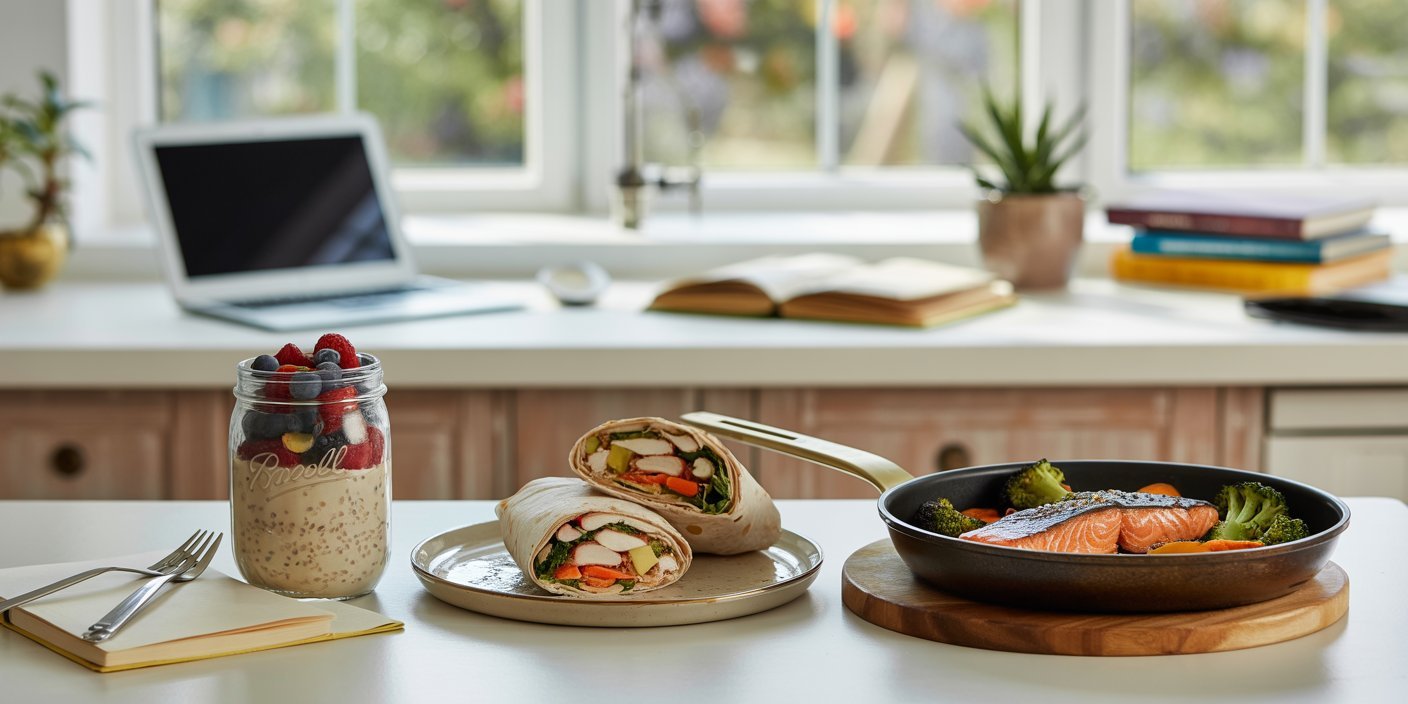
As a student, life is hectic — classes, assignments, late-night study sessions, and part-time work. Eating healthy often feels impossible, and grabbing fast food seems like the easiest option.
But I’ve learned that high-protein meals can give you sustained energy, help you focus, and keep you full longer — all while being quick and affordable.
This guide is packed with simple, high-protein meal ideas you can prep in your dorm, apartment, or shared kitchen.
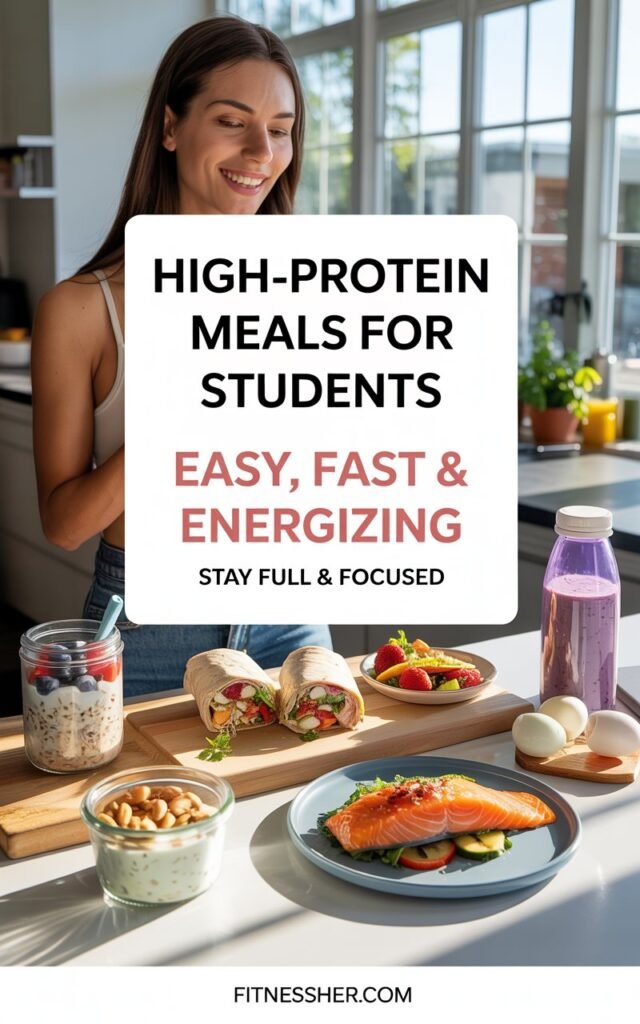
Whether you’re rushing between lectures or studying late at night, these meals are designed to fit your student life without sacrificing nutrition.
By the end of this post, you’ll have a week’s worth of high-protein meals, easy snack options, and practical tips to help you stay fueled and energized.
Affiliate Disclaimer: Some links in this post are affiliate links. I may earn a small commission at no extra cost to you.
AMAZON SHOPPING LIST (HIGH-PROTEIN STUDENT MEALS ESSENTIALS)
- Compact Electric Rice Cooker / Multi-Cooker
Quickly cooks rice, quinoa, and proteins for easy meal prep
BUY NOW ON AMAZON - Digital Food Scale
Helps measure portions for protein-packed meals accurately
BUY NOW ON AMAZON - High-Protein Pantry Staples
Cans of beans, lentils, chickpeas, and canned tuna for quick meals
BUY NOW ON AMAZON - Glass Meal Prep Containers (Set)
Store meals safely and conveniently for the week
BUY NOW ON AMAZON - Blender / Personal Smoothie Blender
For high-protein shakes, smoothies, and quick breakfast options
BUY NOW ON AMAZON
Why High-Protein Meals Are Perfect for Students

What I’ve noticed is that high-protein meals make student life so much easier, especially when you’re balancing classes, assignments, and everything else.
Instead of constantly feeling tired or hungry, these meals help keep your energy steady throughout the day.
One of the biggest benefits is how filling they are. Protein helps you stay full longer, which means fewer distractions from hunger while studying or attending classes.
This also helps reduce unnecessary snacking and keeps your eating habits more controlled.
Another reason these meals work so well for students is affordability.
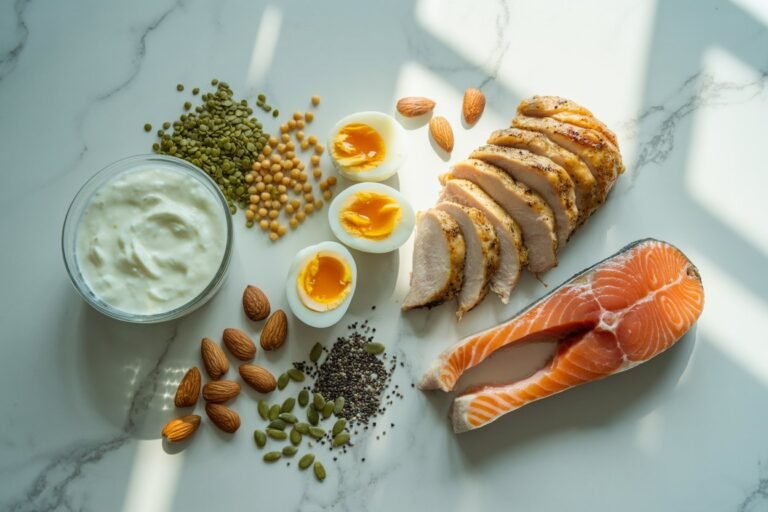
You don’t need expensive ingredients—simple foods like eggs, beans, oats, yogurt, and canned tuna can provide plenty of protein without breaking your budget.
They’re also quick and easy to prepare. Most high-protein meals can be made in minutes, making them perfect for busy schedules or late-night study sessions.
Most importantly, these meals support focus and productivity.
With steady energy levels and better nutrition, it becomes easier to stay alert, concentrate longer, and perform better academically.
Importance of High-Protein Meals for Students: Easy, Affordable, and Energizing

High-protein meals are very important for students because they provide steady energy throughout the day, helping you stay focused during classes, study sessions, and exams.
Instead of feeling tired or experiencing energy crashes, protein helps keep your blood sugar stable and your energy more consistent.
They also play a big role in improving concentration and mental performance. When your body is properly fueled, it becomes easier to focus, retain information, and stay productive for longer periods.
Another important benefit is how filling protein-rich meals are.
They help reduce constant hunger and unnecessary snacking, which is especially helpful during busy school or university days when you might not have time for frequent meals.
High-protein meals also support overall health and growth, helping maintain muscle, support recovery after physical activity, and keep your body strong and energized.
Most importantly, they are budget-friendly and easy to prepare, making them perfect for students who need quick, simple, and nutritious meal options without spending too much money or time.
Section 1 – Breakfast: Protein-Packed Overnight Oats
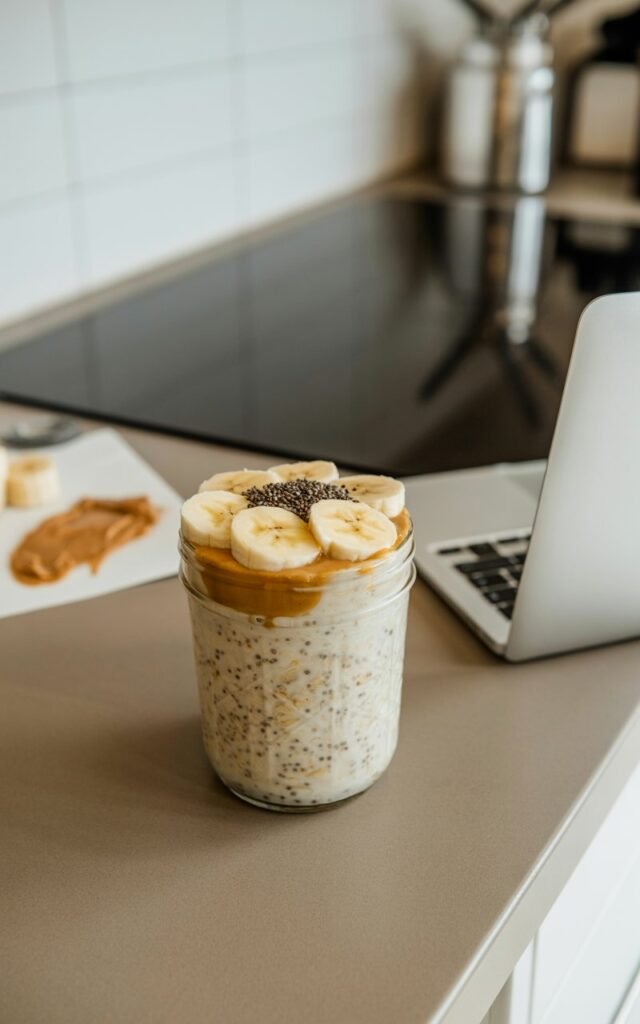
Why it works for students:
Mornings can be hectic with early classes, last-minute assignments, and grabbing your bag for campus.
Overnight oats are ready in minutes, portable, and loaded with protein to keep you full until lunch.
Ingredients (serves 1):
- ½ cup rolled oats
- ¾ cup milk (dairy or plant-based)
- 1 scoop protein powder (vanilla or chocolate)
- 1 tbsp peanut butter
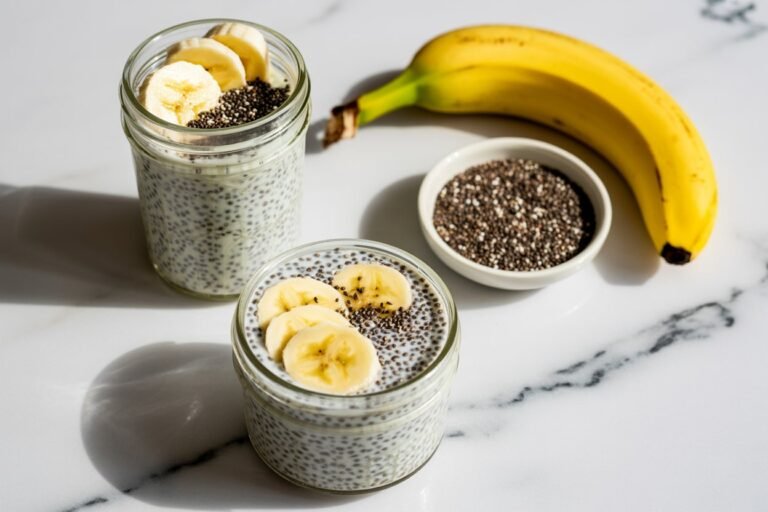
- ½ banana, sliced
- 1 tsp chia seeds (optional)
How to make it:
- Mix oats, milk, and protein powder in a jar or small bowl until smooth.
- Stir in peanut butter and chia seeds.
- Top with sliced banana.
- Cover and refrigerate overnight.
Helpful tips:
- You can prep 3-4 jars at once for the week.
- Add frozen berries in the morning for extra antioxidants.
- If you’re short on time, eat it straight from the jar — no spoon or plate needed.
Section 2 – Lunch: Quick Chicken & Veggie Wrap
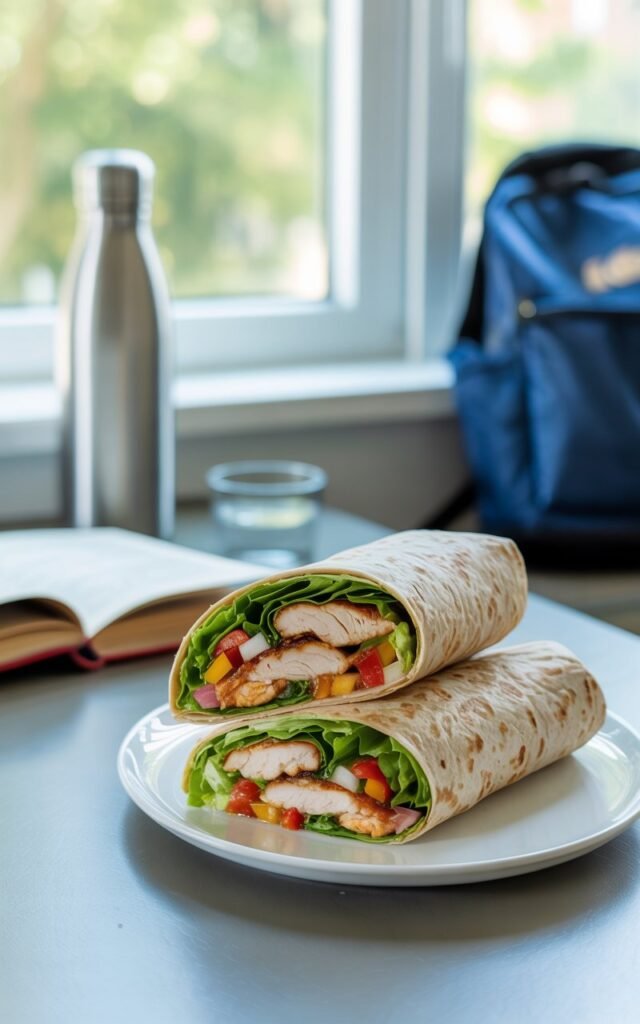
Why it works for students:
During lunch breaks between classes, you need something fast, filling, and portable.
Wraps are perfect because you can prep them ahead of time or make them in just 5 minutes, keeping protein and veggies in one easy meal.
Ingredients (serves 1):
- 1 whole wheat tortilla
- ½ cup cooked shredded chicken (rotisserie chicken works great)
- ¼ cup plain Greek yogurt
- Handful of spinach or lettuce
- ¼ cup shredded carrots
- ½ tsp paprika or your favorite spice
- Optional: sliced cucumber or bell peppers for extra crunch
How to make it:
- Mix shredded chicken with Greek yogurt and paprika until well combined.
- Lay the tortilla flat and layer spinach, carrots, and any optional veggies.
- Spread the chicken mixture evenly over the veggies.
- Roll the tortilla tightly and slice in half.
- Wrap in foil if you need to take it to campus.
Helpful tips:
- Make 2-3 wraps at once and store them in the fridge for quick grab-and-go lunches.
- Swap chicken for canned tuna or chickpeas if you want variety or a vegetarian option.
- Add a small slice of cheese or avocado for healthy fats and extra satiety.
Section 3 – Dinner: One-Pan Salmon & Veggies
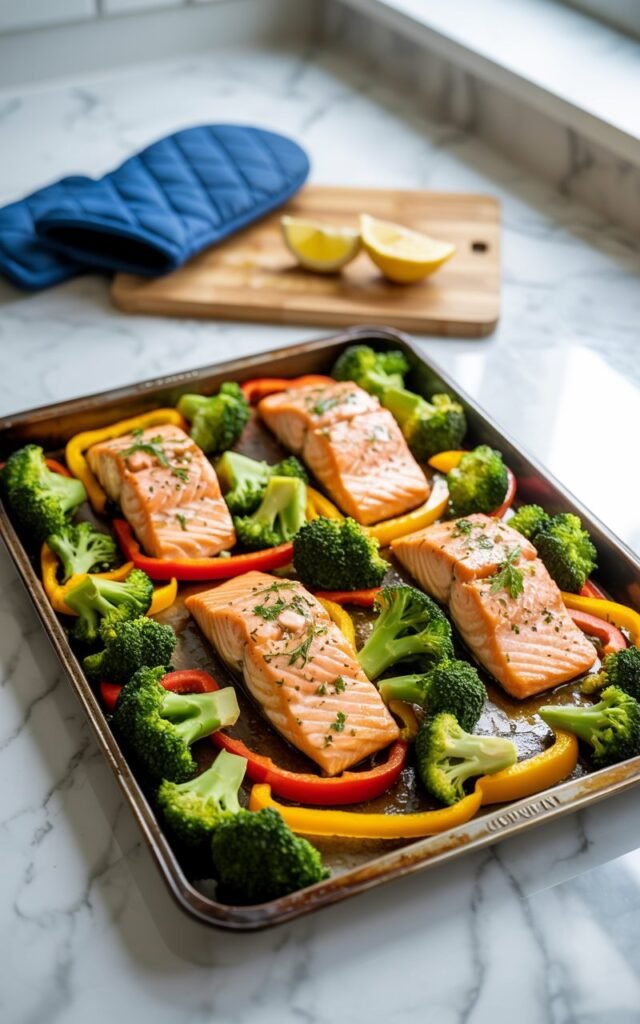
After a full day of lectures, assignments, and maybe even a part-time job, dinner needs to be quick, nutritious, and filling.
I usually look for meals I can make in 20–25 minutes, so I can eat and still have time to study or relax.
One-pan salmon with vegetables is perfect because it’s high in protein, full of nutrients, and low maintenance.
Ingredients (serves 1):
- 1 salmon fillet (~150g)
- 1 cup broccoli florets
- ½ bell pepper, sliced
- 1 tsp olive oil
- Salt and pepper to taste
- Optional: lemon wedge for flavor
- Optional: ½ cup cooked quinoa or brown rice if you want extra carbs for energy
How to make it:
- Preheat the oven to 400°F (200°C).
- Place the salmon on a baking sheet and drizzle with olive oil, salt, and pepper, making sure it’s evenly coated so it cooks well.
- Toss the broccoli and bell pepper in a little olive oil and spread them around the salmon, creating a balanced one-pan meal.
- Bake for 15–18 minutes until the salmon is cooked through and the vegetables are tender. You can tell the salmon is done when it flakes easily with a fork.
- Squeeze lemon over the top for a fresh, zesty flavor. If you want a more filling meal, serve with cooked quinoa or brown rice on the side.
This dinner is perfect for students because it requires minimal prep and cleanup. You can even chop the vegetables in advance and store them in the fridge so cooking takes less than 20 minutes.
The combination of protein from the salmon and fiber from the veggies keeps you full, supports muscle recovery, and provides energy for late-night studying.
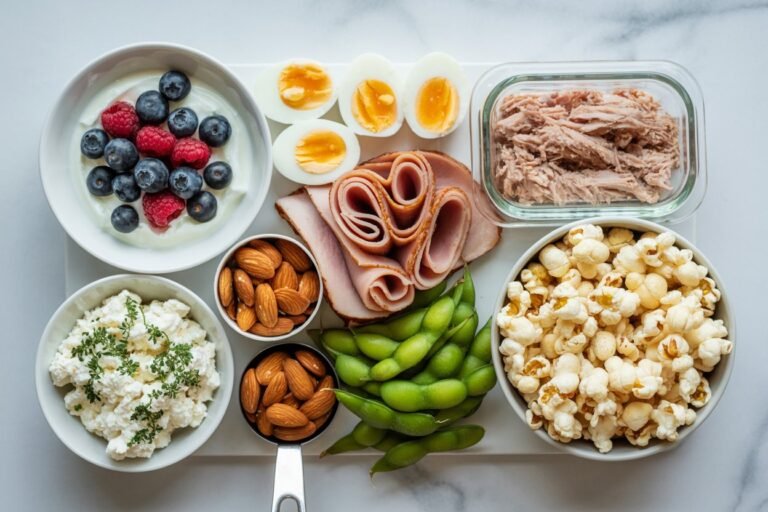
Section 4 – Snacks: High-Protein Options for Busy Students
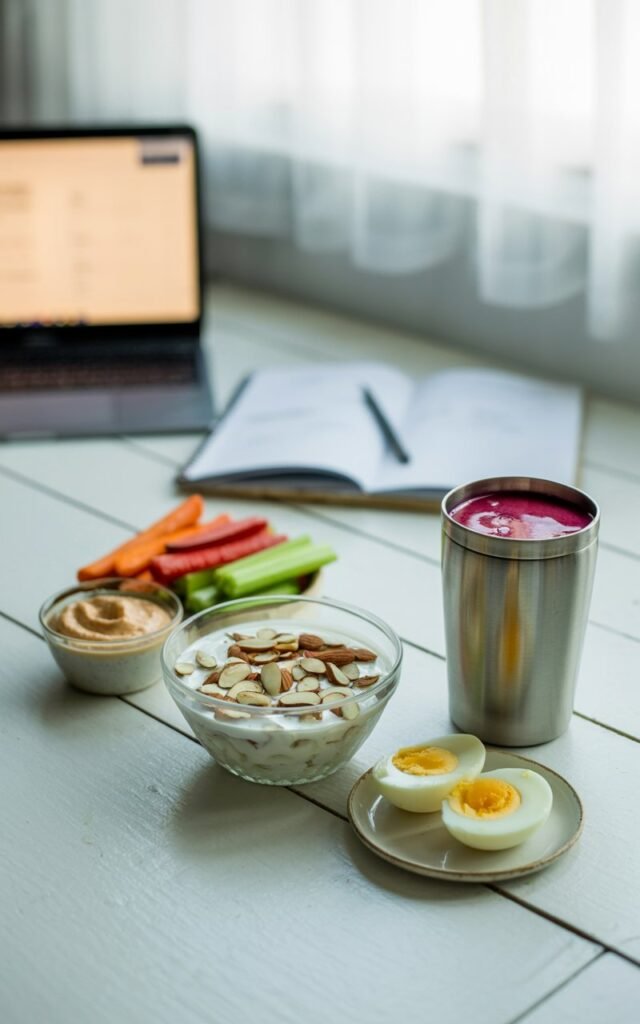
Snacks are essential when you have back-to-back lectures, late-night study sessions, or part-time work, because skipping meals can leave you tired and unfocused.
I rely on high-protein snacks that are quick, portable, and satisfying, so I stay fueled without turning to chips or sugary drinks.
1. Greek Yogurt with Nuts
A simple grab-and-go snack. I keep single-serve Greek yogurt cups in my fridge, and when I’m running between classes, I add a handful of almonds or walnuts for extra protein and healthy fats.
This combination keeps me full for hours and gives me energy for studying or workouts.
2. Boiled Eggs
I usually boil 3–4 eggs at the start of the week and store them in the fridge. They’re easy to grab between lectures or while walking to class.
You can season them with a pinch of salt, pepper, or paprika to make them more flavorful. Eggs are packed with protein, helping repair muscles if you exercise and keeping hunger at bay.
3. Protein Smoothie
When I’m in a rush, a protein smoothie is my lifesaver. I blend 1 scoop of protein powder, 1 cup milk (or plant-based milk), ½ banana, and 1 teaspoon peanut butter.
I pour it into a travel cup, sip it while heading to the library, and it keeps me energized without weighing me down. You can also throw in spinach or frozen berries to sneak in extra nutrients.
4. Cottage Cheese with Fruit
Cottage cheese is another high-protein snack I love because it’s creamy and filling. I scoop about ½ cup into a bowl and top it with pineapple chunks or berries.
It takes less than 2 minutes to prepare and keeps me full until dinner.
5. Hummus with Veggies or Crackers
I cut carrots, cucumber, and bell peppers into sticks and pair them with 2–3 tablespoons of hummus. It’s crunchy, satisfying, and rich in protein and fiber.
If I’m short on time, I just grab a handful of whole-grain crackers with hummus for a portable option.
Section 5 – Take Charge of Your Nutrition and Share Your Success

Eating healthy as a student can feel impossible sometimes, but with these high-protein meals and snacks, it doesn’t have to be complicated.
I’ve found that planning a few simple meals, prepping ingredients in advance, and keeping portable snacks on hand makes all the difference.
Whether it’s overnight oats for breakfast, a quick chicken wrap for lunch, a one-pan salmon dinner, or easy high-protein snacks, you can fuel your body and your brain without stress.
Now it’s your turn. Start small — try prepping one meal or snack today, then gradually build up to a full week of high-protein options.
You’ll notice better energy during classes, longer focus during study sessions, and fewer cravings for unhealthy snacks.
If you found this guide helpful, share it with your friends or classmates! They might also benefit from these easy, student-friendly protein meals.
Sharing not only helps others eat healthier, but it also motivates you to stay consistent with your nutrition.
Remember: healthy eating doesn’t have to be complicated. With a little planning and these simple recipes, you can fuel your day, crush your classes, and even have time left for fun.
So go ahead — pick a meal, prep it, and take that first step toward a healthier student life.
Extra Tips to Make High-Protein Meals for Students Even Better
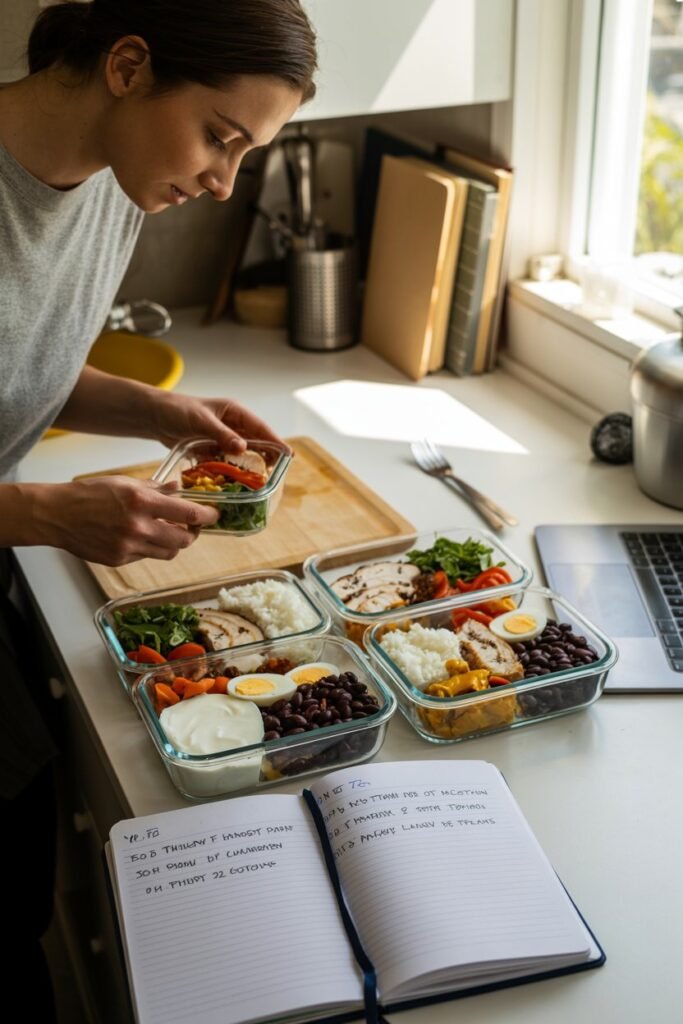
To get the most out of high-protein meals, the key is to keep things simple, consistent, and realistic for your daily student lifestyle. One helpful tip is to meal prep in advance.
Preparing ingredients or full meals ahead of time saves time during busy school days and helps you avoid skipping meals or grabbing unhealthy snacks.
Another tip is to combine protein with fiber-rich foods like vegetables, oats, fruits, or whole grains.
This helps you stay full longer and keeps your energy more stable throughout lectures and study sessions.
You can also keep quick protein snacks on hand, such as boiled eggs, yogurt, nuts, or protein bars.
These are great for busy days when you don’t have time for a full meal but still need energy.
It’s also important to stay hydrated. Drinking enough water supports digestion and helps your body use nutrients more effectively, especially when eating higher-protein meals.
Finally, focus on variety. Rotating different protein sources like eggs, beans, chicken, fish, and dairy keeps your meals interesting and ensures you get a wide range of nutrients without getting bored.
FAQ: High-Protein Meals for Students
1. Why is protein important for students?
Protein helps with energy, focus, muscle support, and keeping you full throughout the day.
2. What are cheap high-protein foods for students?
Eggs, beans, lentils, oats, peanut butter, yogurt, and canned tuna are budget-friendly options.
3. How much protein do students need daily?
It varies, but around 0.8–1.2g per kg of body weight is a general guideline.
4. Can high-protein meals help with studying?
Yes, they help stabilize energy and improve concentration.
5. What are quick high-protein meal ideas?
Egg sandwiches, protein smoothies, yogurt bowls, and rice with beans or chicken.
6. Are protein shakes good for students?
Yes, they are convenient, but whole foods should still be the main focus.
7. Can I eat high-protein meals on a budget?
Absolutely, many protein-rich foods are affordable and easy to prepare.
Final Thought
High-protein meals don’t have to be complicated or expensive to make a real difference in a student’s life.
When you keep things simple, consistent, and balanced, they can help you stay energized, focused, and full throughout your busy day.
The key is not perfection, but building small habits you can maintain—choosing better meals, staying prepared, and listening to your body.
Over time, these simple choices add up and make student life healthier, easier, and more productive.