Whenever I’m trying to eat better, stay full longer, and keep my energy up throughout the day, protein is always my main focus.
But I used to get overwhelmed trying to figure out which foods actually had enough protein to make a difference.
That’s when I started relying on a simple per 100g cheat sheet. It makes everything easier—no guessing, no complicated tracking.
I can quickly compare foods, build balanced meals, and make smarter choices whether I’m cooking at home or grabbing something quick.
Disclaimer: This post may contain affiliate links, which means I may earn a small commission at no extra cost to you. Nutritional values can vary by brand and preparation, so always check product labels for the most accurate information.
Amazon Shopping List: High Protein Cheat Sheet (Per 100g Tracking)
- Digital Kitchen Food Scale
- Macro Nutrition Food Journal Notebook
- Protein Portion Control Containers (Color-Coded Set)
- Meal Prep Glass Containers with Lids
- Laminated Protein Content Food Chart Poster
- Food Storage Labels Stickers (Date & Portion Tracking)
- Portable Pocket Nutrition Tracker Booklet
Why This High-Protein Cheat Sheet Makes Everything Easier
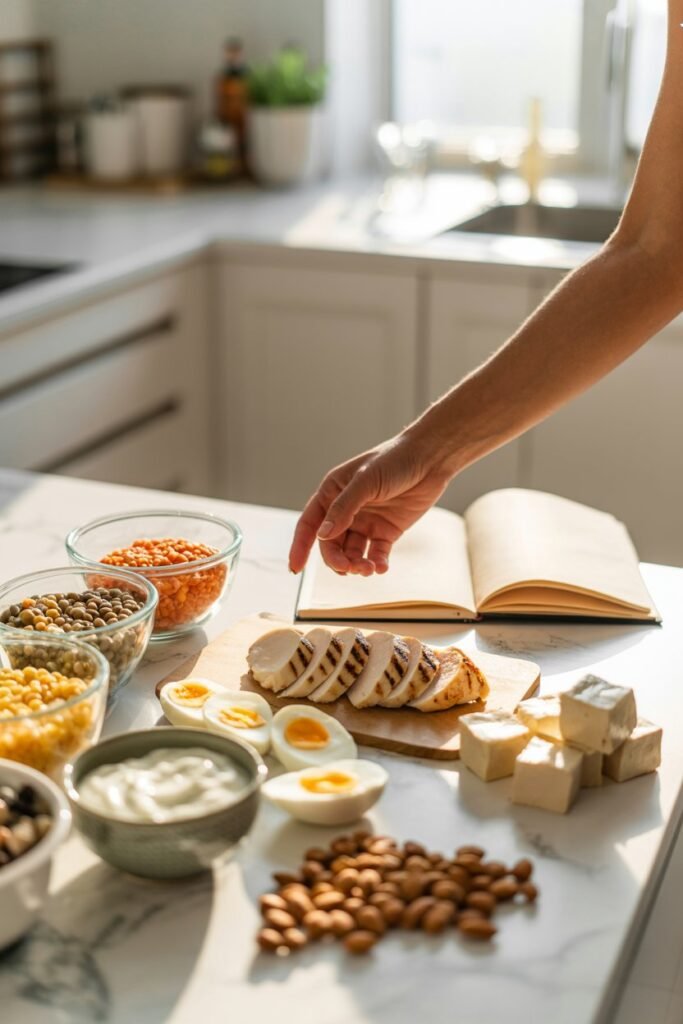
After trying different diets and meal ideas, I realized one thing—keeping track of protein doesn’t have to be complicated. That’s exactly why I put this cheat sheet together.
Instead of guessing or searching every time I cook, I just look at protein values per 100 grams.
It’s the easiest way to compare foods side by side and instantly know what’s actually worth adding to my plate.
This has helped me stay consistent, feel fuller longer, and build meals that actually support my goals without overthinking every bite.
Whether I’m meal prepping, grocery shopping, or just putting something quick together, this cheat sheet keeps things simple and effective.
Benefits of Using a High-Protein Cheat Sheet (Per 100g)
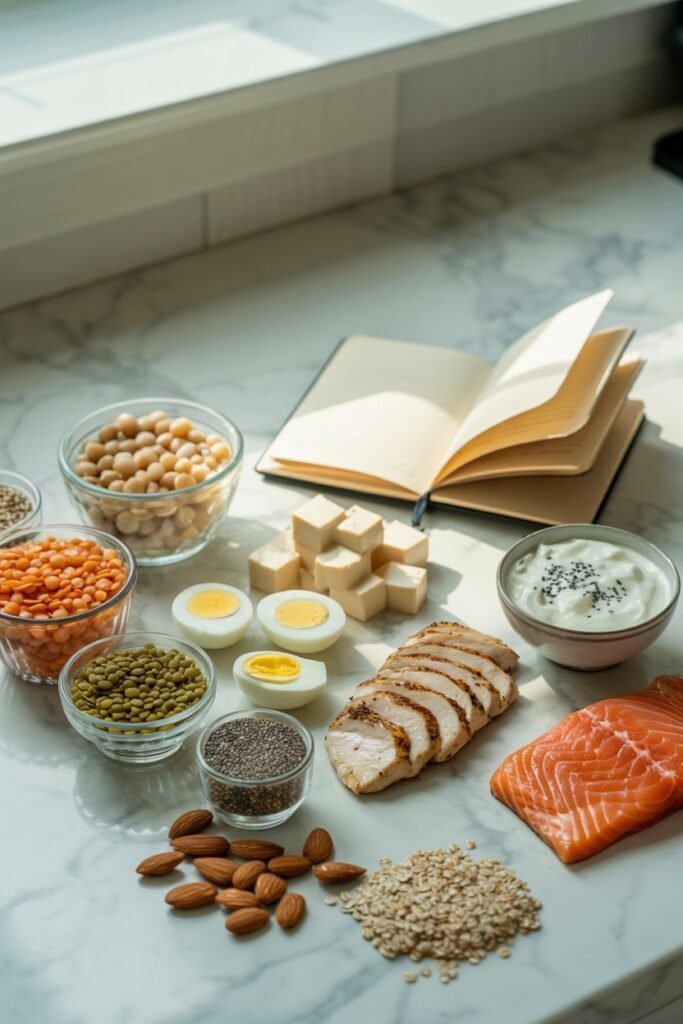
- Helps you stay fuller longer
- Makes meal planning faster and easier
- Supports weight loss goals
- Helps maintain and build lean muscle
- Improves food choices instantly
- Keeps your diet balanced
- Reduces guesswork and confusion
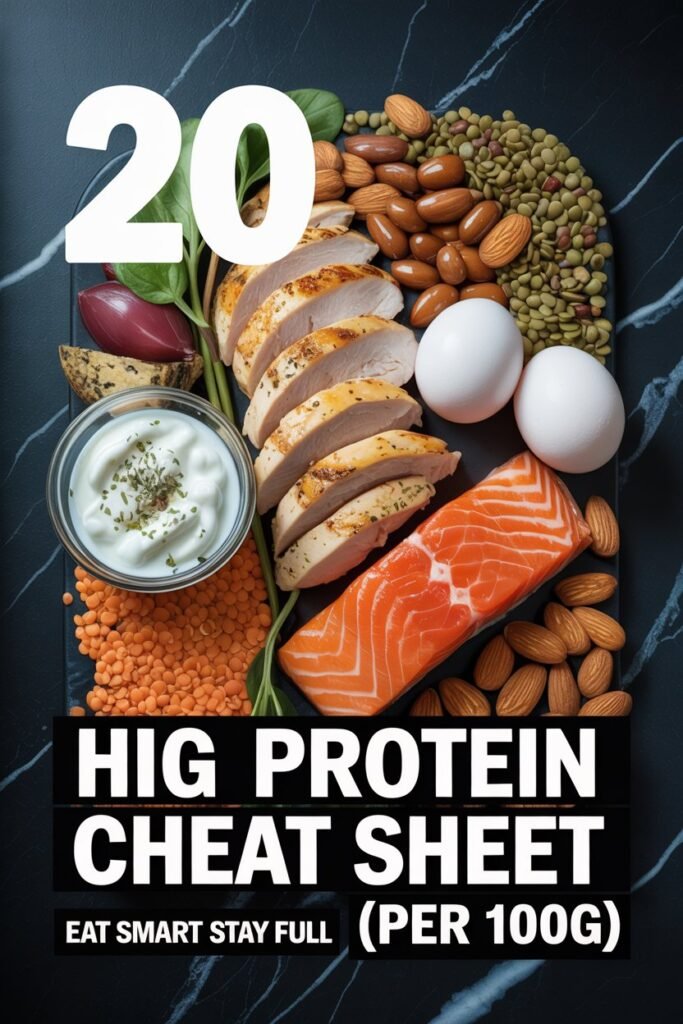
1. The High-Protein Cheat Sheet (Per 100g)
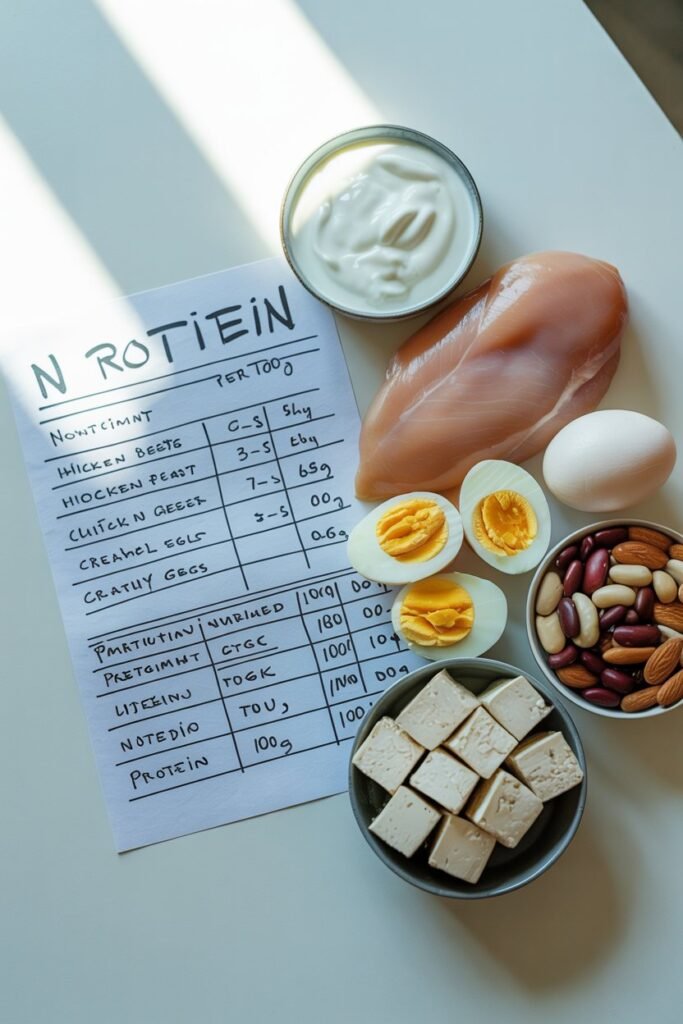
This is the part I always come back to. Whenever I’m planning meals or shopping, I use this cheat sheet to quickly see which foods actually give me the most protein for every 100 grams.
Animal-Based Protein (High Quality & Complete):
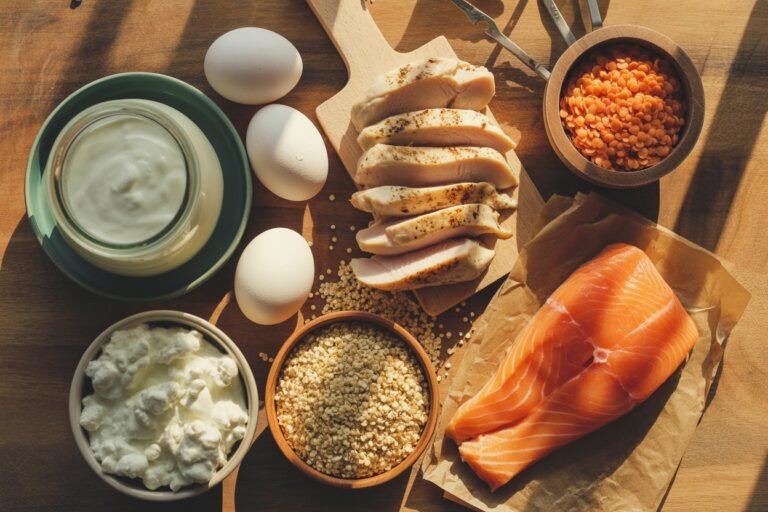
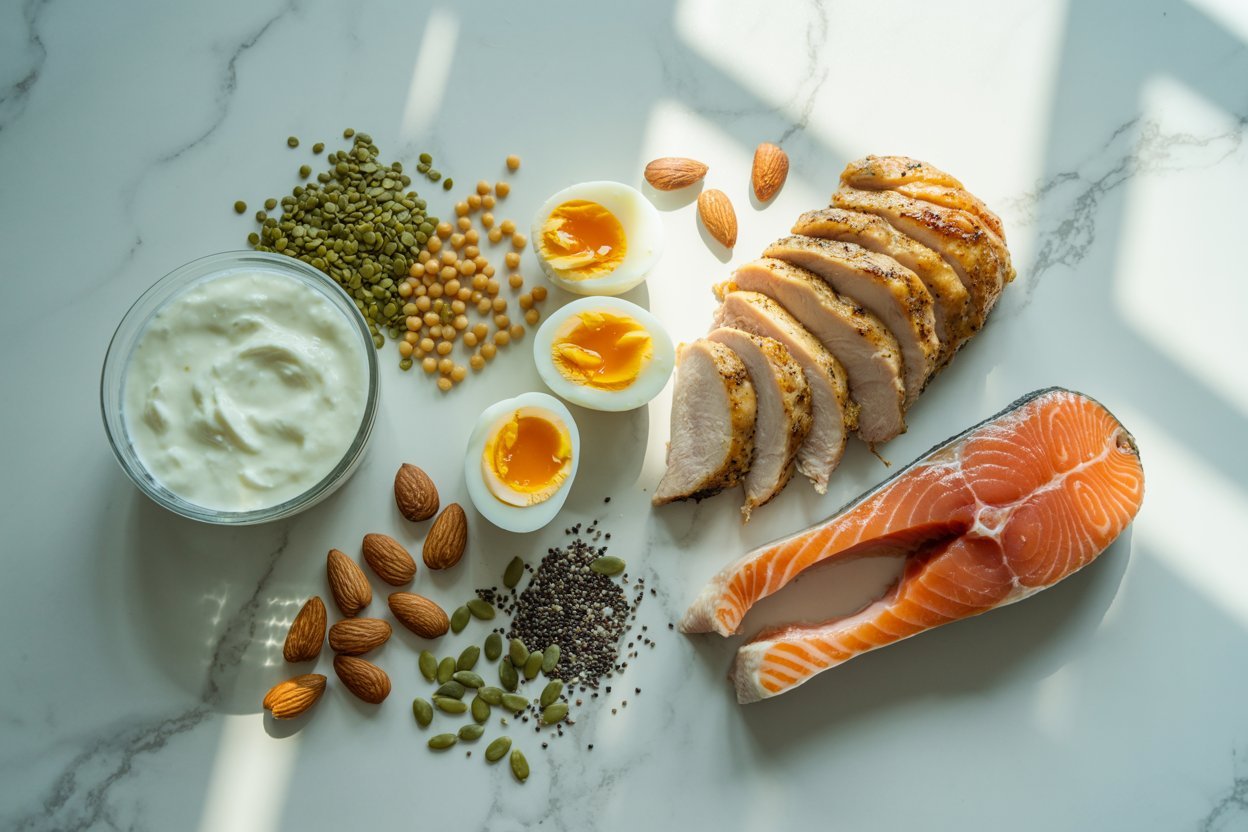
- Chicken breast (cooked) – 31g
- Turkey breast – 29g
- Lean beef – 26g
- Tuna (fresh) – 29g
- Salmon – 25g
- Eggs (whole) – 13g
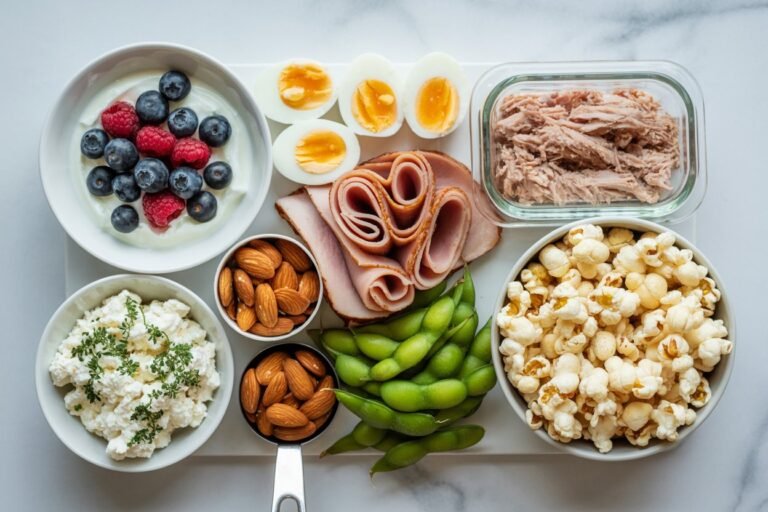
- Greek yogurt (plain, nonfat) – 10g
- Cottage cheese – 11g
Plant-Based Protein (Great for Fiber & Variety):
- Lentils (cooked) – 9g
- Chickpeas – 9g
- Black beans – 8g
- Tofu – 8g
- Tempeh – 19g
- Quinoa (cooked) – 4g
High-Protein Snacks & Extras:
- Almonds – 21g
- Peanut butter – 25g
- Pumpkin seeds – 30g
- Chia seeds – 17g
- Oats – 17g
I usually mix a few of these throughout my day so I’m not eating the same thing over and over, and it makes hitting my protein goals feel a lot easier without forcing it.
2. Best High-Protein Foods for Weight Loss
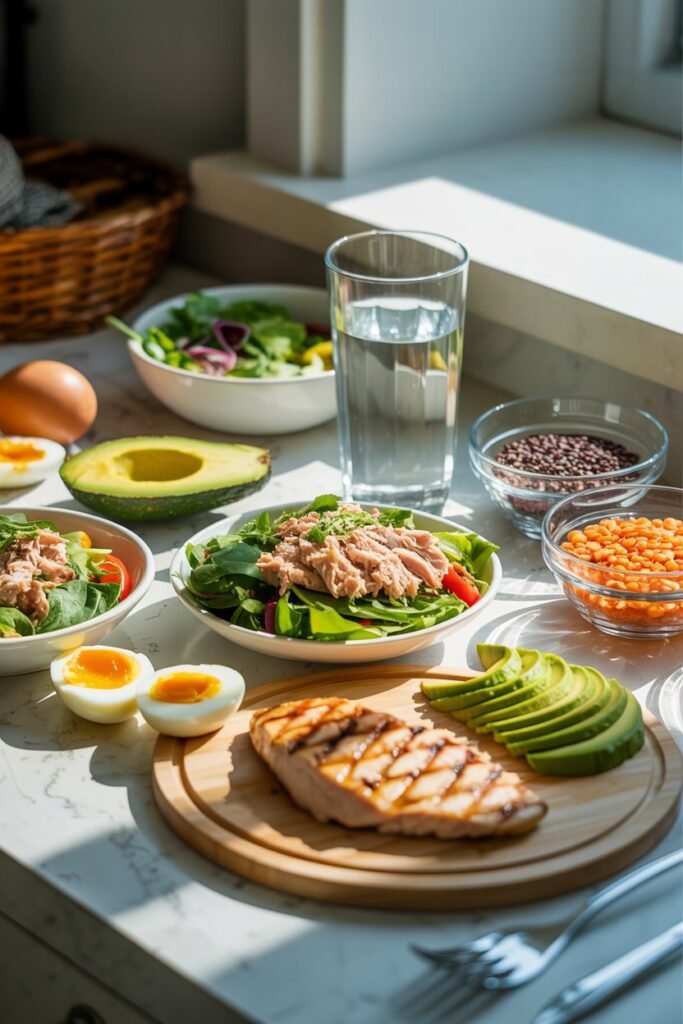
When I’m trying to lose weight, I don’t just focus on eating “less”—I focus on eating smarter.
High-protein foods are my go-to because they keep me full for longer and help me avoid unnecessary snacking throughout the day.
These are some of the best high-protein foods I personally rely on when I want to stay in control of my appetite and still feel satisfied:
- Chicken breast – lean, filling, and easy to cook in different ways
- Eggs – simple, affordable, and perfect for any meal of the day
- Greek yogurt – creamy, high in protein, and great for snacks
- Tuna – low in calories but very high in protein
- Salmon – keeps me full while also providing healthy fats
- Lean beef – helps with satiety and adds variety to meals
- Lentils – plant-based option that’s both filling and budget-friendly
- Tofu – great for mixing into different recipes and absorbing flavor
- Cottage cheese – easy snack option that works well anytime
What I like about these foods is that they don’t just support weight loss—they make the process feel easier.
I’m not constantly hungry, and I don’t feel like I’m on a strict diet. Instead, I can eat normal meals while still staying on track with my goals.
3. How I Use This Cheat Sheet Daily
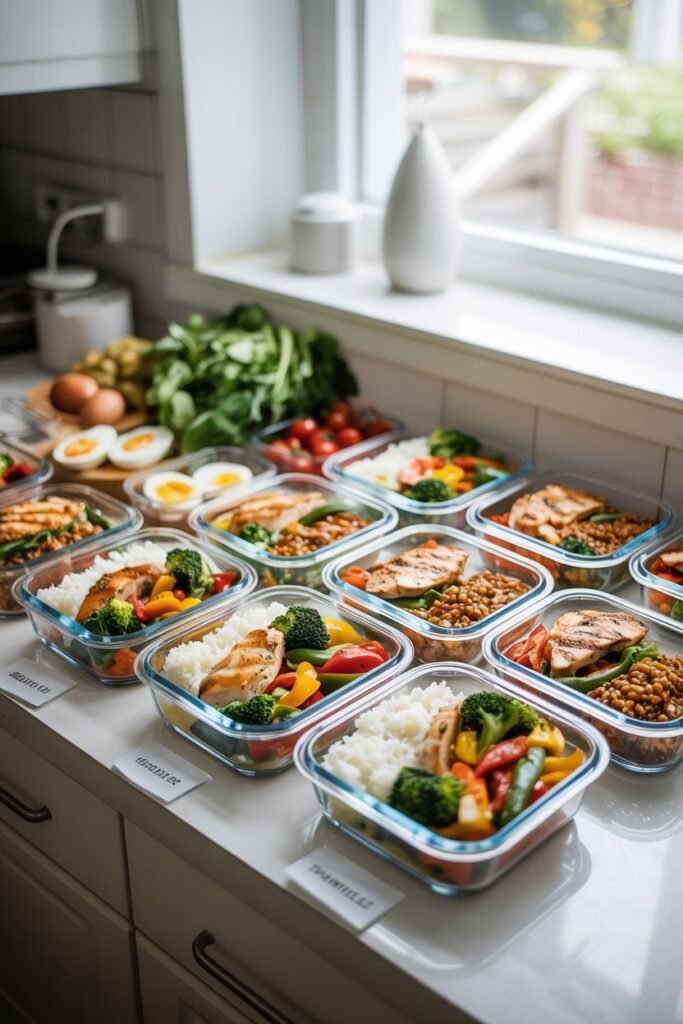
- I check it in the morning to choose a high-protein breakfast
- I use it while grocery shopping to pick better food options
- I build lunch and dinner around one main protein source
- I pair proteins with vegetables and healthy carbs for balance
- I use it to choose smarter snack options during the day
- I rely on it when I don’t know what to cook
- I keep it simple so I don’t overthink my meals
- I use it to stay consistent without feeling like I’m dieting
4. Easy High-Protein Meal Ideas
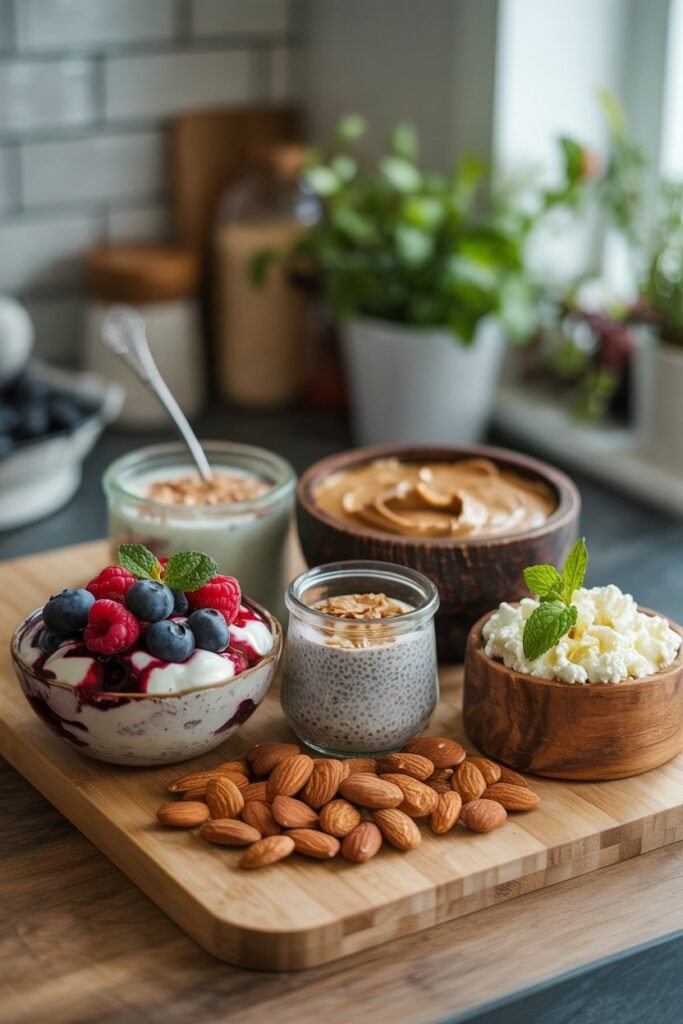
- Scrambled eggs with spinach and whole grain toast
- Greek yogurt with berries and chia seeds
- Grilled chicken with rice and steamed vegetables
- Tuna salad with lettuce, cucumber, and olive oil
- Oatmeal mixed with peanut butter and banana slices
- Salmon with sweet potatoes and broccoli
- Lentil soup with carrots and onions
- Cottage cheese with apple slices or berries
- Chicken wrap with whole wheat tortilla and veggies
- Tofu stir-fry with mixed vegetables and soy sauce
5. Common Mistakes to Avoid
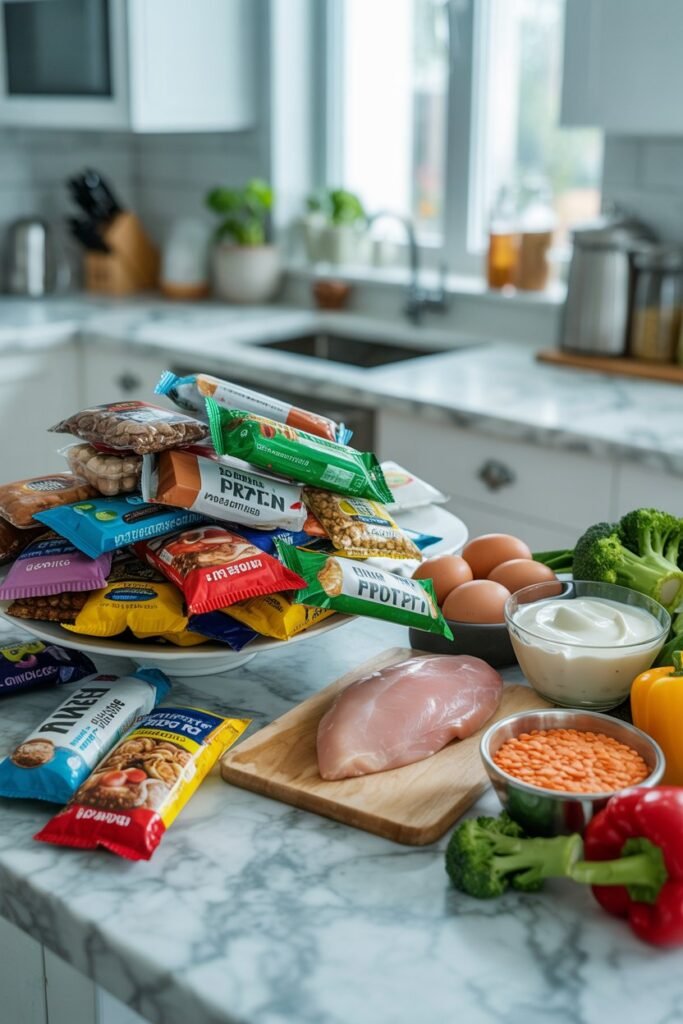
- Relying on protein alone and ignoring other nutrients like fiber and healthy fats
- Eating “high-protein” processed foods without checking calories or ingredients
- Not balancing portions, which can lead to eating more calories than needed
- Forgetting that plant proteins often need to be combined for full amino acid coverage
- Skipping vegetables and focusing only on protein foods
- Assuming all “healthy” foods are automatically high in protein
- Not drinking enough water, especially when increasing protein intake
- Overcomplicating meals instead of keeping things simple and consistent
6. Tips to Increase Protein Intake Easily
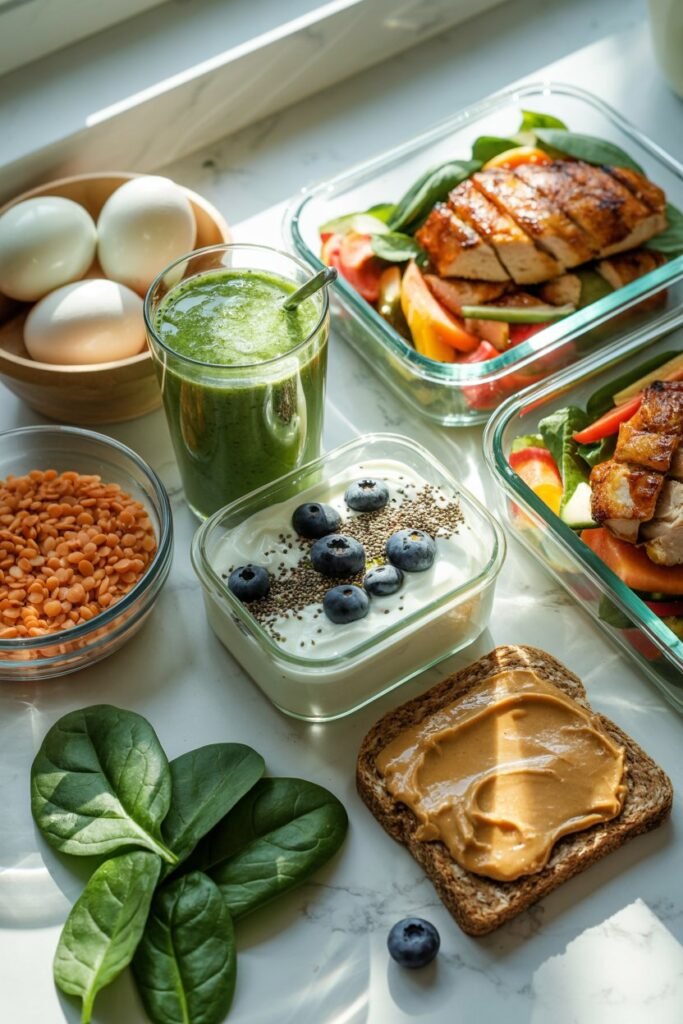
- Start your day with a protein-rich breakfast like eggs or Greek yogurt
- Add eggs or egg whites to meals you already eat
- Include a protein source in every meal (chicken, fish, beans, tofu, etc.)
- Snack on high-protein options like nuts, yogurt, or cottage cheese
- Mix protein powders into smoothies or oatmeal when needed
- Swap regular snacks for higher-protein versions
- Add beans, lentils, or chickpeas to soups and salads
- Choose lean meats instead of processed or fatty cuts
- Drink more water to help your body handle higher protein intake
- Prep protein in bulk (like grilled chicken or boiled eggs) for the week
What is high protein cheat sheet per 100 grams?
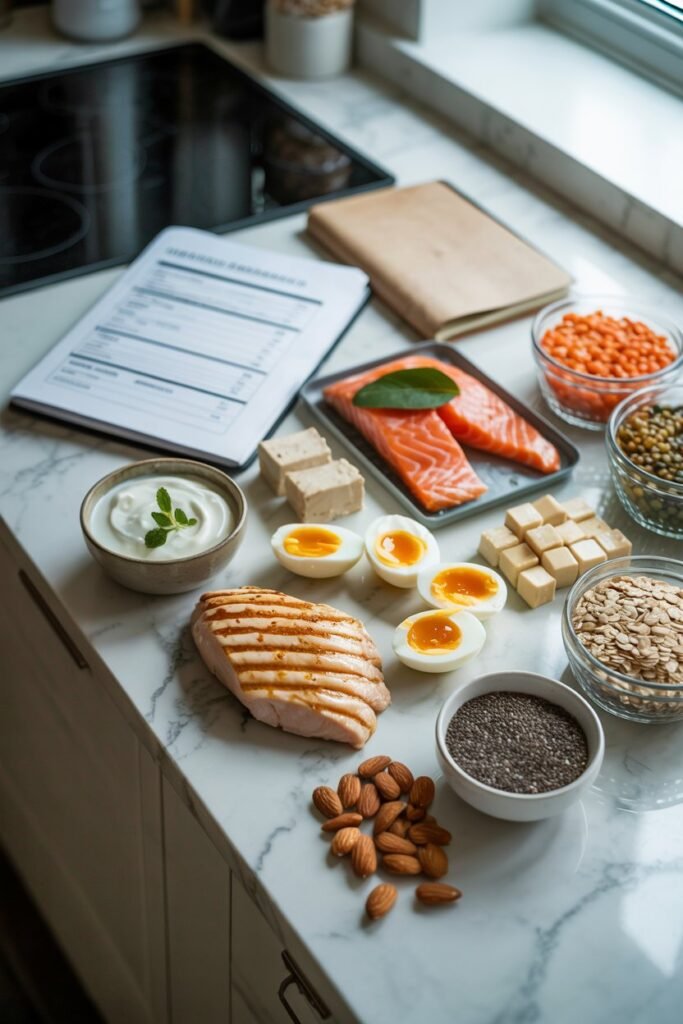
A high-protein cheat sheet per 100 grams is a simple reference list that shows how much protein different foods contain in a standard 100g serving.
Instead of guessing or calculating portions every time you eat, it lets you quickly compare foods like chicken, eggs, beans, yogurt, and nuts based on their protein content per 100 grams.
For example:
- Chicken breast ≈ 31g protein per 100g
- Eggs ≈ 13g protein per 100g
- Lentils ≈ 9g protein per 100g
The goal is to make it easier to:
- Identify high-protein foods at a glance
- Plan meals faster
- Build a balanced diet without overthinking
- Stay consistent with fitness or weight loss goals
In short, it’s a quick guide that helps you understand which foods give you the most protein in a fair, standardized way.
FAQ About High-Protein Cheat Sheet (Per 100g)
1. What is a high-protein cheat sheet per 100 grams?
It’s a simple guide that shows how much protein different foods contain in a 100g serving, making it easier to compare foods quickly.
2. Why is protein measured per 100g?
Because it gives a fair and consistent way to compare foods, no matter the portion size you usually eat.
3. What foods are highest in protein per 100g?
Foods like chicken breast, turkey, tuna, salmon, and pumpkin seeds are among the highest protein sources.
4. Can I lose weight by eating high-protein foods?
Yes, high-protein foods can help you feel full longer, reduce cravings, and support calorie control, which can help with weight loss.
5. Do plant-based foods have enough protein?
Yes, foods like lentils, beans, tofu, and quinoa provide good protein, especially when combined across meals.
6. How much protein do I need daily?
It depends on your body weight and activity level, but many people aim for 0.8g–1.6g of protein per kg of body weight.
7. Is it safe to eat high-protein foods every day?
Yes, for most healthy people it’s safe, especially when balanced with carbs, fats, and fiber.
Final Thoughts
Keeping things simple has made the biggest difference for me, and this high-protein cheat sheet is a perfect example of that.
Instead of overthinking every meal, I can quickly check what actually gives me good protein and build my day around it.
You don’t need complicated diets or strict rules to eat better—you just need a clear guide and consistent habits.
Once you start focusing on the right foods, everything else becomes easier, from managing hunger to staying on track with your goals.
This is something I always come back to, especially when I want to reset and keep my eating habits balanced without stress.