Working out at home has become one of the simplest ways to stay active, especially when you don’t have time for the gym or just want something easy to follow.
I’ve found that you don’t actually need complicated routines or equipment to start seeing changes consistency with basic movements goes a long way.
The truth is, rapid weight loss doesn’t come from doing extreme workouts once in a while.
It comes from choosing simple exercises you can actually stick to and doing them regularly, even if it’s just a short session at home.
This list is made up of easy home workouts that help keep your body moving, burn calories, and improve strength without feeling overwhelming.
You can do them in your living room, bedroom, or any small space no gym required.
Disclaimer: This post may contain affiliate links, which means I may earn a small commission at no extra cost to you. Weight loss results vary from person to person, and it’s best to consult a qualified health professional before starting a new fitness routine.
Amazon Shopping List: Easy Home Workouts for Rapid Weight Loss
- Adjustable Dumbbell Set
- Resistance Bands Set (Light, Medium & Heavy)
- Non-Slip Exercise Yoga Mat
- Jump Rope for Cardio Workouts
- Adjustable Kettlebell Set
- Fitness Tracker Watch (Steps & Activity Tracking)
- Workout Water Bottle (Large Capacity, Leakproof)
Before You Start These Home Workouts
Before jumping into the exercises, it helps to understand that results come from consistency, not intensity.
You don’t need to do everything perfectly or push yourself to exhaustion — what matters is showing up and keeping your body active regularly.
I always recommend starting slow, especially if you’re new or getting back into fitness.
A short daily routine is better than a long workout you can’t maintain. Also, try to stay hydrated, wear comfortable clothes, and give yourself short breaks when needed.
Most of these moves are simple, but when done together in a routine, they can help increase your heart rate, burn calories, and support gradual weight loss over time.
Warm-Up (Do This Before You Start)
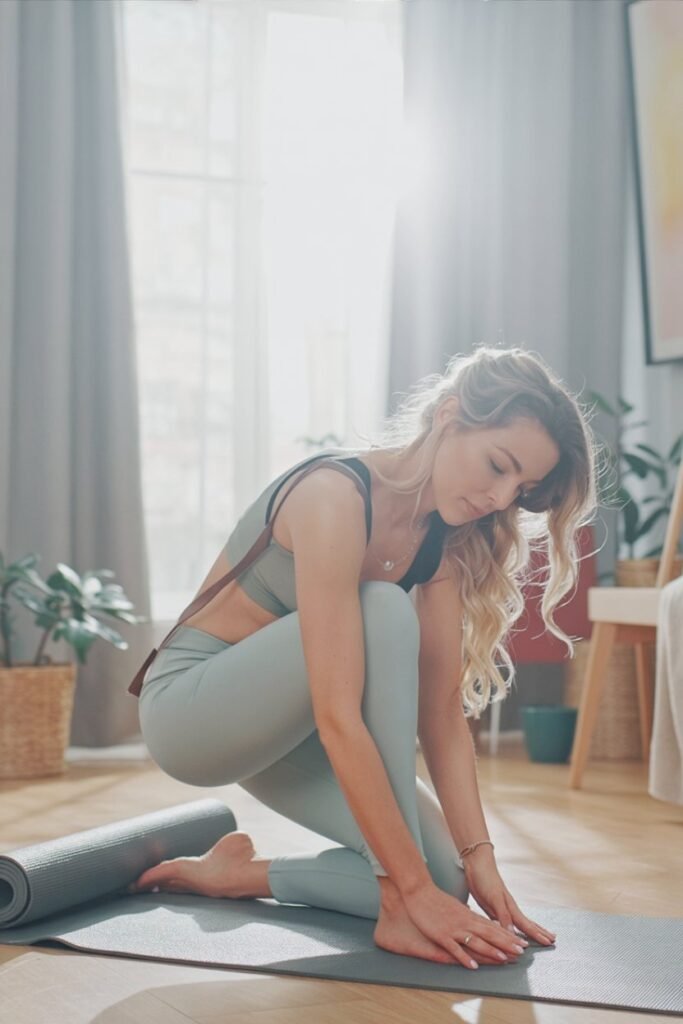
Before jumping into the workouts, it’s important to wake up your body so you don’t feel stiff or strain your muscles.
A quick warm-up also helps increase your heart rate and makes the exercises more effective.
Spend about 5–7 minutes on these simple movements:
- March in place (1–2 minutes) to gently raise your heart rate
- Arm circles (30 seconds forward, 30 seconds backward) to loosen your shoulders
- Side stretches to open up your waist and improve flexibility
- Hip rotations to warm up your lower body
- Light jumping jacks to fully activate your body
Simple tip: Don’t rush this part — a proper warm-up makes the main workout feel smoother and reduces the chance of soreness or injury.
Here Are the 10 Easy Home Workouts for Weight Loss
These exercises are simple, beginner-friendly, and can be done at home without any equipment.
The goal is to keep your body moving, burn calories, and build consistency over time.
You can do them as a full routine or pick a few depending on your energy level.
1. Jumping Jacks
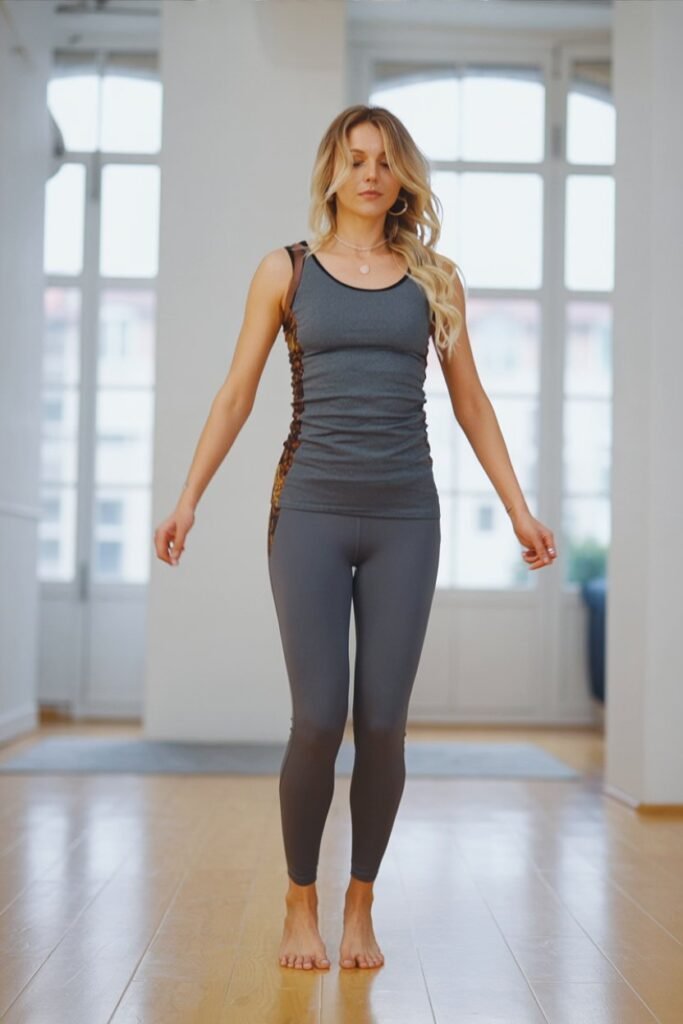
Jumping jacks are a simple full-body cardio exercise that helps increase your heart rate and warm up your muscles quickly.
How to do it:
Stand upright with your feet together and your arms resting at your sides.
Jump while spreading your legs slightly wider than shoulder-width apart and raising your arms above your head at the same time.
Then jump again to return to the starting position. Repeat this movement in a steady rhythm.
Why it helps:
It engages your arms, legs, and core all at once, helping to burn calories and improve overall endurance.
Tip:
Keep your movements controlled and consistent. Beginners can start at a slower pace and gradually increase speed as fitness improves.
2. High Knees
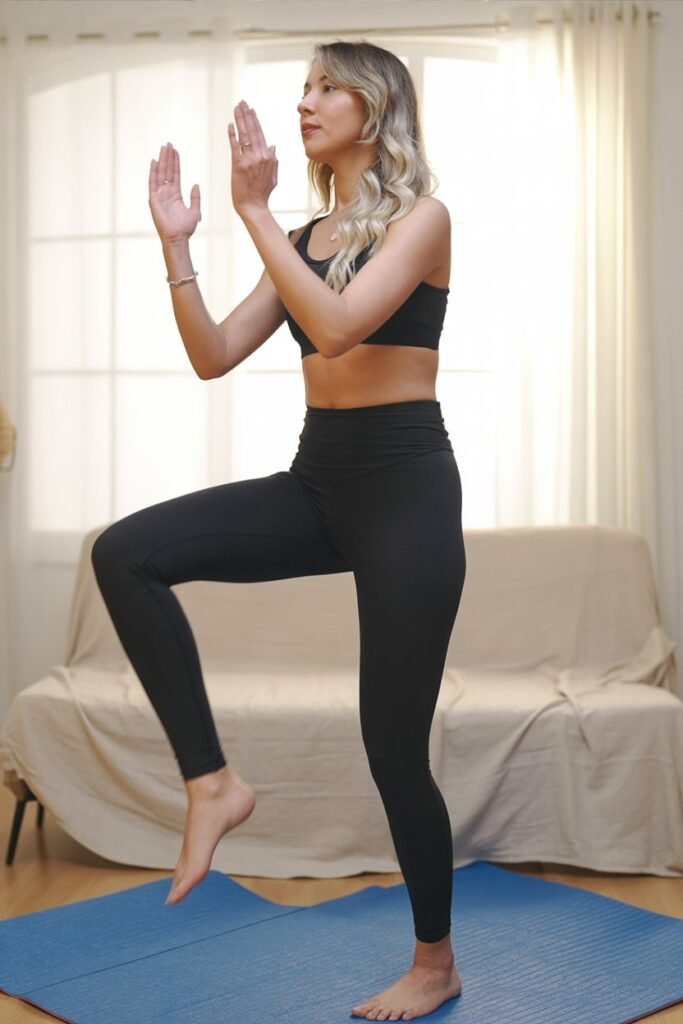
High knees are a fast-paced cardio exercise that helps improve endurance while burning calories and strengthening your lower body.
How to do it:
Stand tall with your feet hip-width apart. Begin jogging in place while lifting your knees as high as possible, ideally up to waist level.
Swing your arms naturally as you move to help maintain balance and rhythm. Continue alternating legs at a steady pace.
Why it helps:
It increases your heart rate quickly, engages your core, and works your legs, making it effective for fat burning and improving stamina.
Tip:
Keep your posture upright and avoid leaning backward. Start at a comfortable speed and increase intensity as your endurance improves.
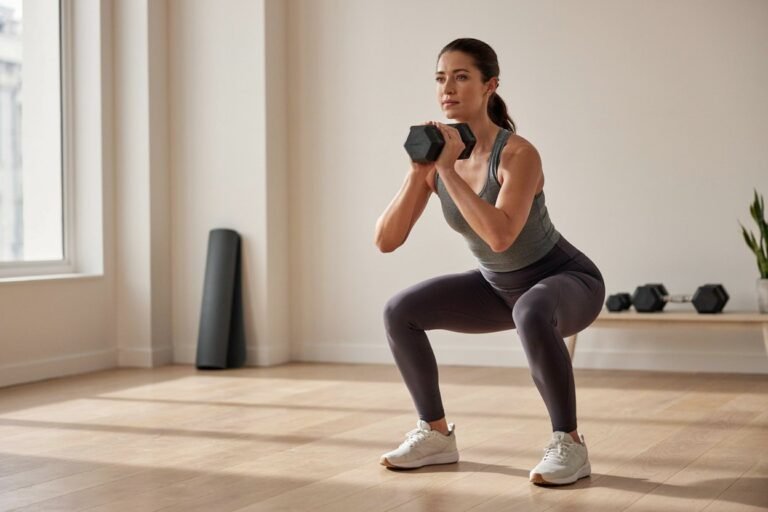
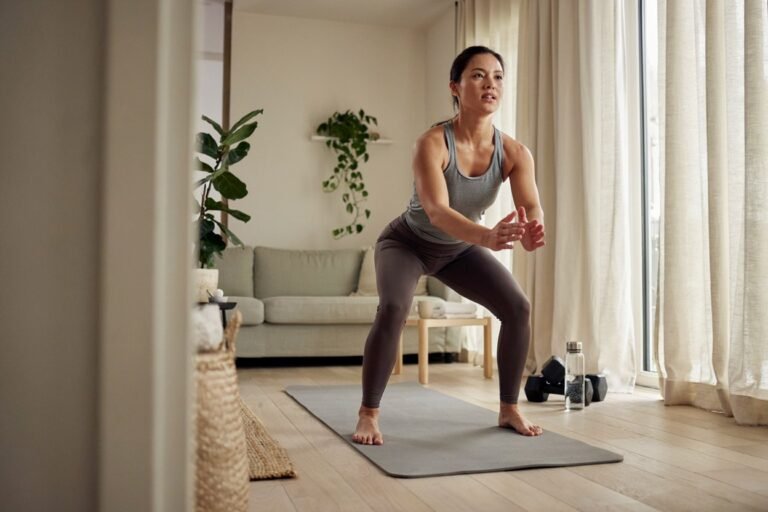
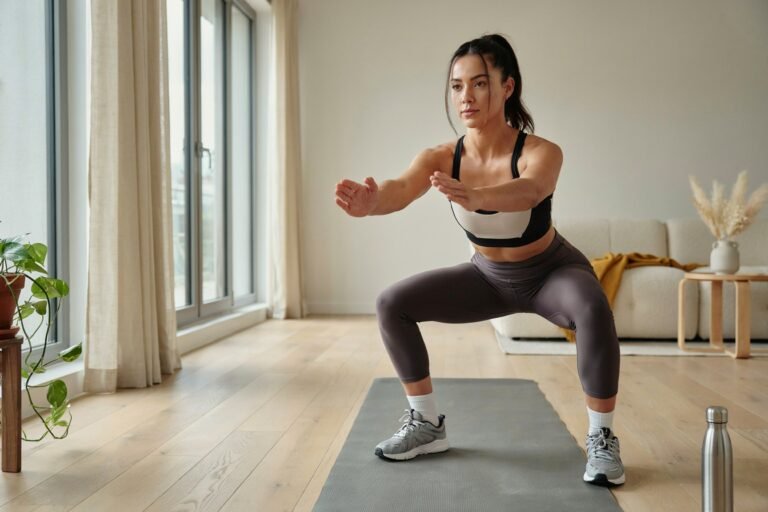
3. Bodyweight Squats
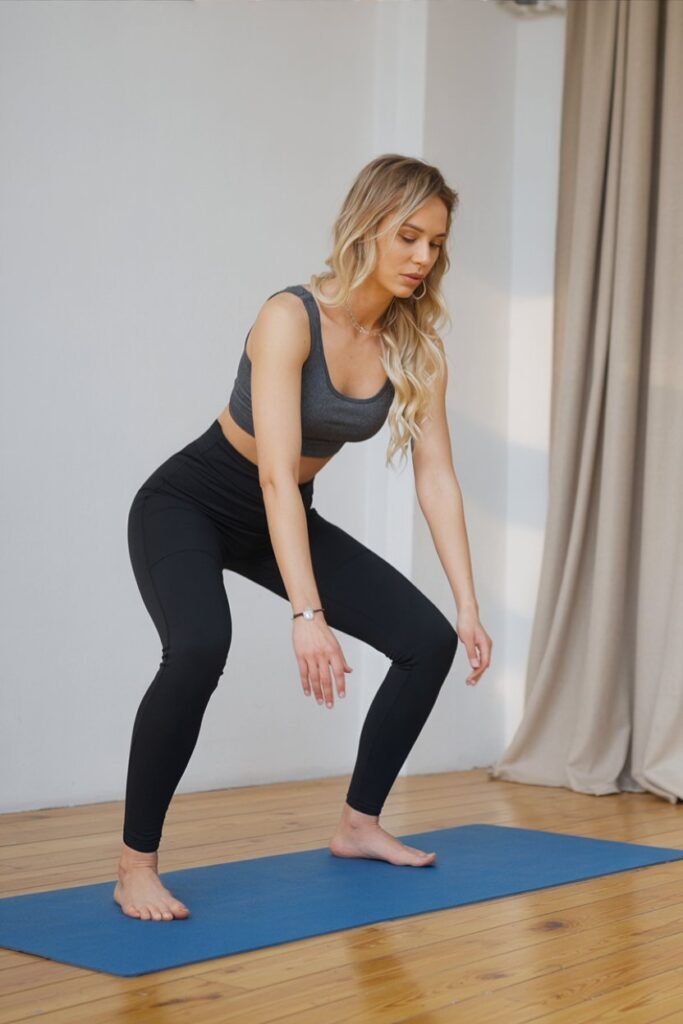
Bodyweight squats are a basic but powerful lower-body exercise that helps strengthen and tone your legs and glutes while supporting overall fat loss.
How to do it:
Stand with your feet shoulder-width apart and your toes slightly turned out.
Keep your chest up and your back straight. Lower your body by bending your knees and pushing your hips back, as if you’re sitting into a chair.
Go down until your thighs are roughly parallel to the floor, then push through your heels to return to standing. Repeat in a controlled motion.
Why it helps:
It targets your thighs, glutes, and core, building strength in large muscle groups which helps improve calorie burning over time.
Tip:
Keep your knees aligned with your toes and avoid rounding your back. Move slowly for better form and results, especially if you’re a beginner.
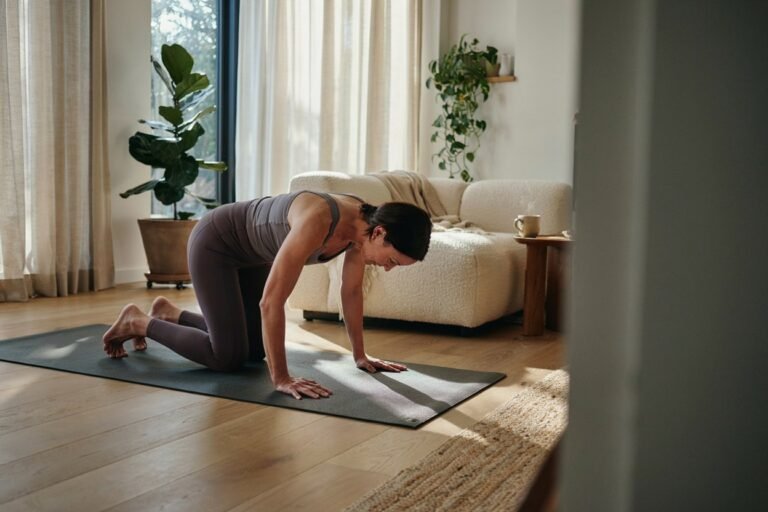
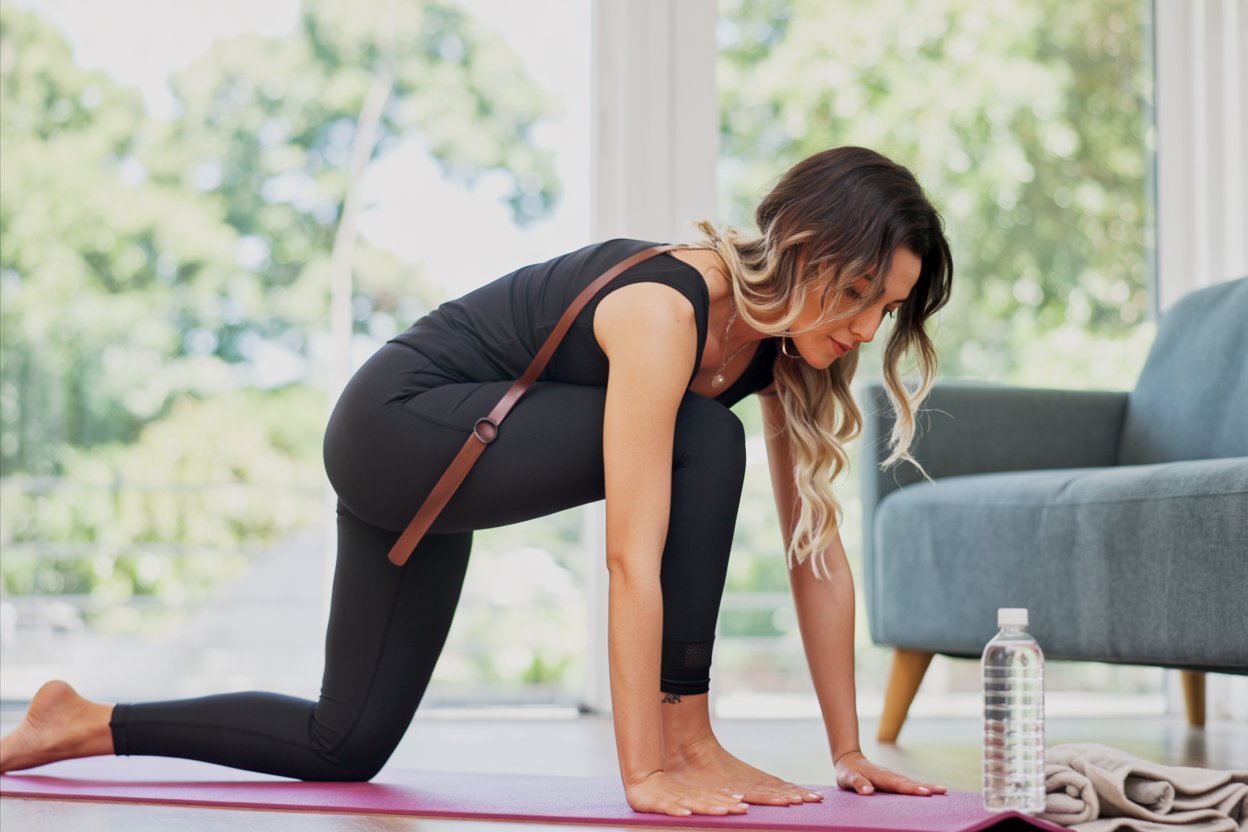
4. Mountain Climbers
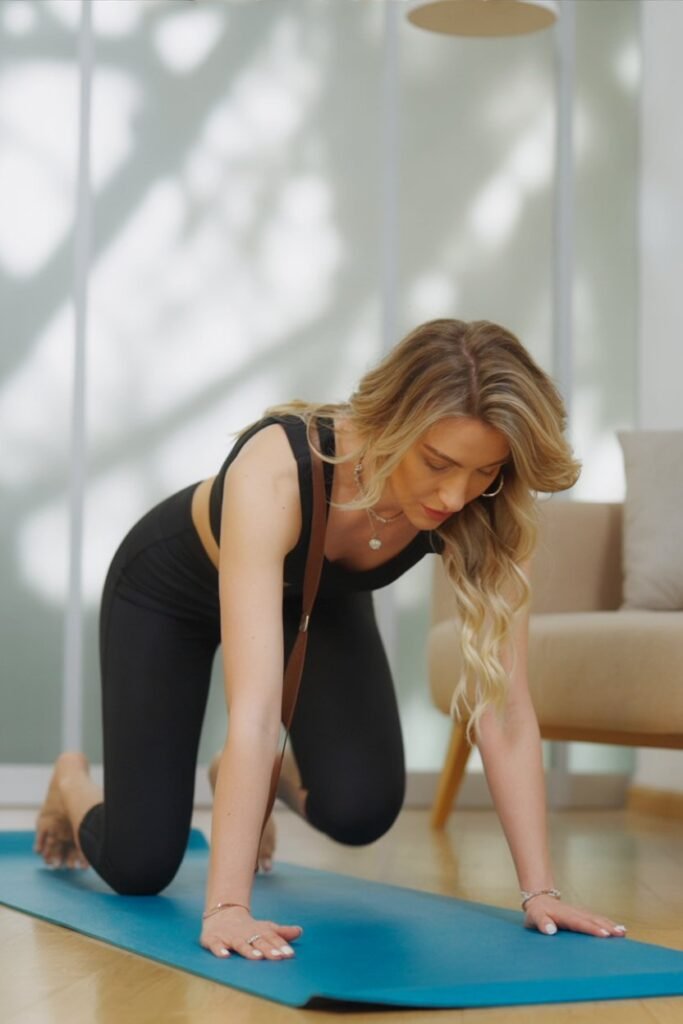
Mountain climbers are a fast, full-body exercise that combines cardio and core work, making them great for burning calories and improving overall fitness.
How to do it:
Start in a high plank position with your hands placed directly under your shoulders and your body in a straight line.
Engage your core and bring one knee toward your chest, then quickly switch legs, bringing the opposite knee in while extending the other leg back. Continue alternating at a steady, controlled pace.
Why it helps:
It strengthens your core, shoulders, and legs while keeping your heart rate elevated, which supports fat burning and endurance.
Tip:
Keep your hips low and avoid bouncing too much. Focus on controlled movement rather than speed when you’re starting out.
5. Plank Hold
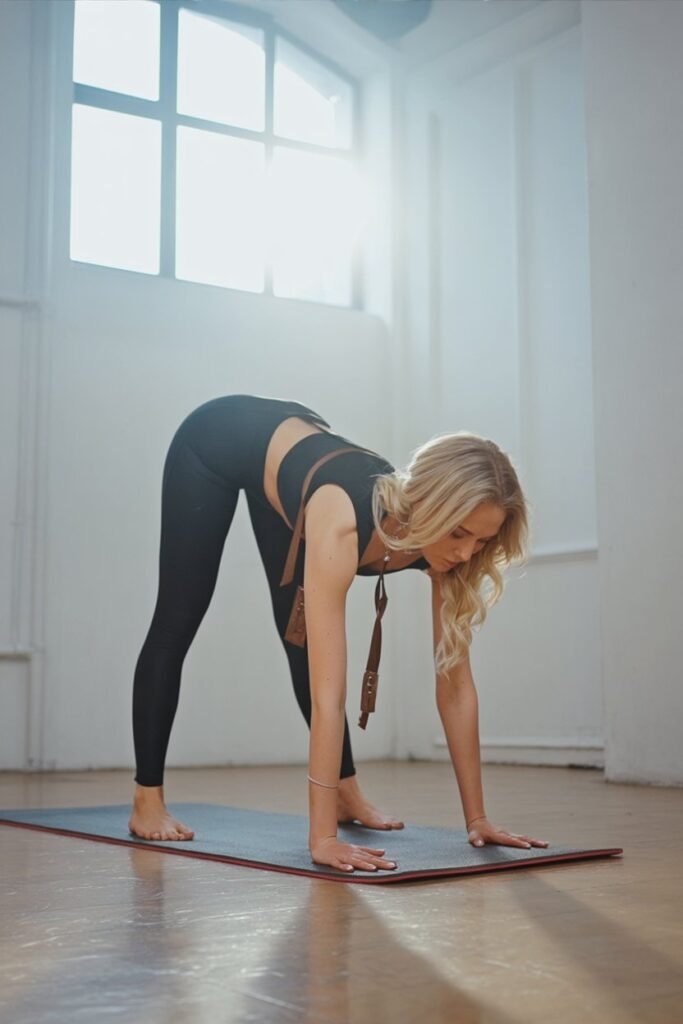
The plank hold is a simple but very effective core exercise that builds strength, stability, and endurance across your entire body.
How to do it:
Start by lying face down, then lift your body onto your forearms and toes. Keep your elbows directly under your shoulders and your body in a straight line from head to heels.
Engage your core, tighten your glutes, and hold the position without letting your hips drop or rise.
Why it helps:
It strengthens your core muscles, improves posture, and also engages your shoulders, back, and legs, making it a full-body stabilizing exercise.
Tip:
Start with short holds (20–30 seconds) and increase gradually. Focus on maintaining proper form rather than holding for too long.
6. Lunges
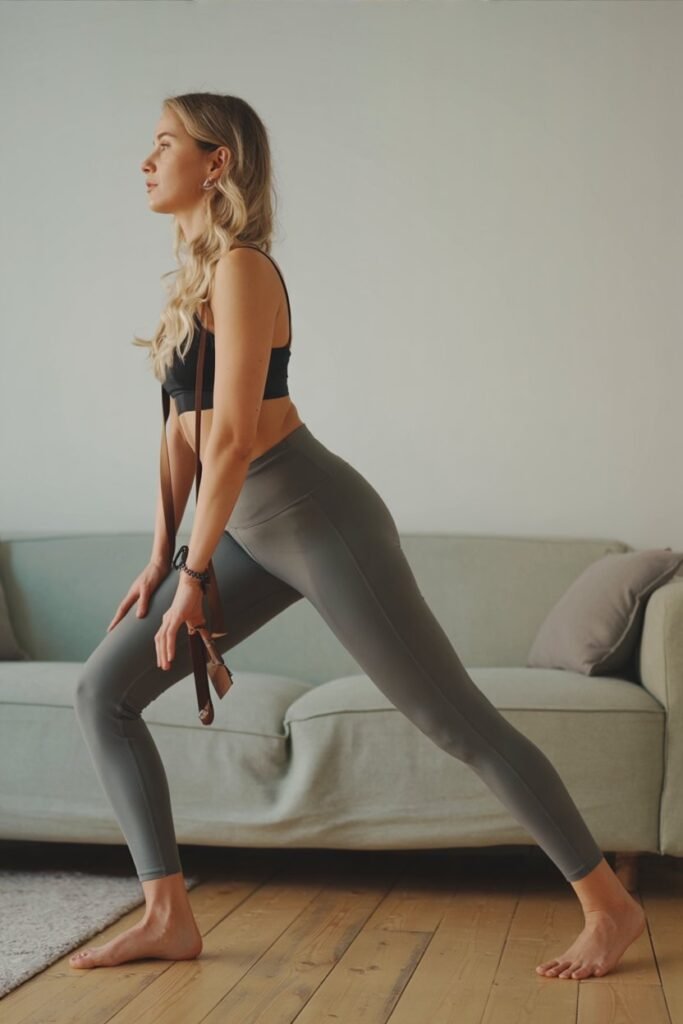
Lunges are a simple lower-body exercise that helps strengthen and shape your legs while also improving balance and coordination.
How to do it:
Stand straight with your feet hip-width apart. Step one leg forward and lower your body until both knees are bent at about a 90-degree angle.
Your front knee should be directly above your ankle, and your back knee should hover just above the floor.
Push through your front heel to return to the starting position, then switch legs and repeat.
Why it helps:
It targets your thighs, glutes, and hamstrings, helping tone the lower body while also engaging your core for stability.
Tip:
Keep your upper body upright and avoid letting your front knee go too far forward. Move slowly and focus on balance for better results.
7. Burpees
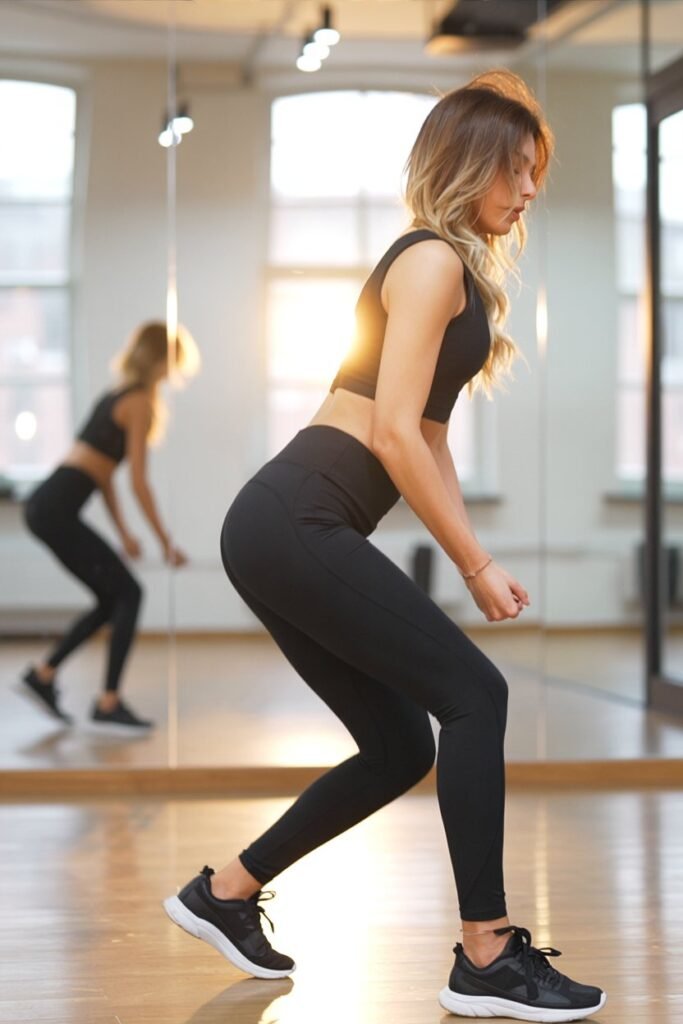
Burpees are a high-intensity full-body exercise that combine strength and cardio, making them very effective for burning calories in a short time.
How to do it:
Start standing straight. Lower your body into a squat position and place your hands on the floor.
Jump your feet back into a plank position, keeping your body straight. Do a push-up if you can, then jump your feet back toward your hands.
From the squat position, explode upward into a jump and reach your arms overhead. Repeat the full movement.
Why it helps:
It works your arms, chest, core, legs, and cardio system all at once, making it one of the most efficient fat-burning exercises.
Tip:
If you’re a beginner, remove the push-up or slow down each step until you build strength and stamina.
8. Glute Bridges
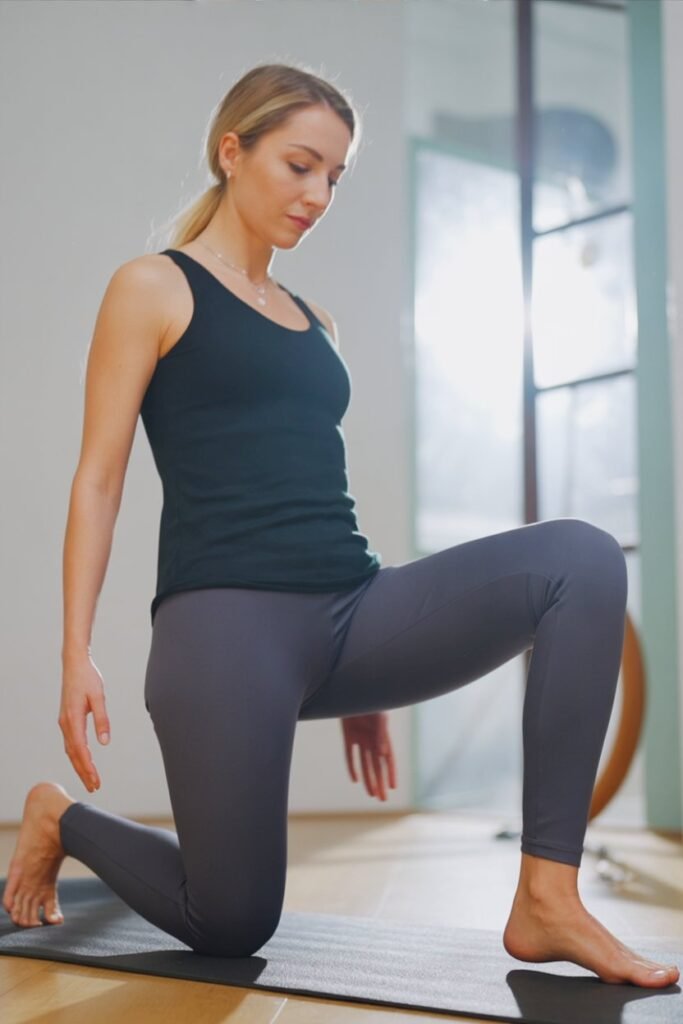
Glute bridges are a simple floor exercise that helps activate and strengthen your lower body, especially your glutes and core.
How to do it:
Lie on your back with your knees bent and feet flat on the floor, hip-width apart. Place your arms by your sides.
Push through your heels to lift your hips upward until your body forms a straight line from your shoulders to your knees.
Squeeze your glutes at the top, then slowly lower your hips back down to the starting position. Repeat in a controlled rhythm.
Why it helps:
It targets your glutes, hamstrings, and core, helping improve lower-body strength and muscle tone while supporting better posture.
Tip:
Avoid arching your lower back. Focus on squeezing your glutes at the top of each lift for better results.
9. Skipping (or Invisible Jump Rope)
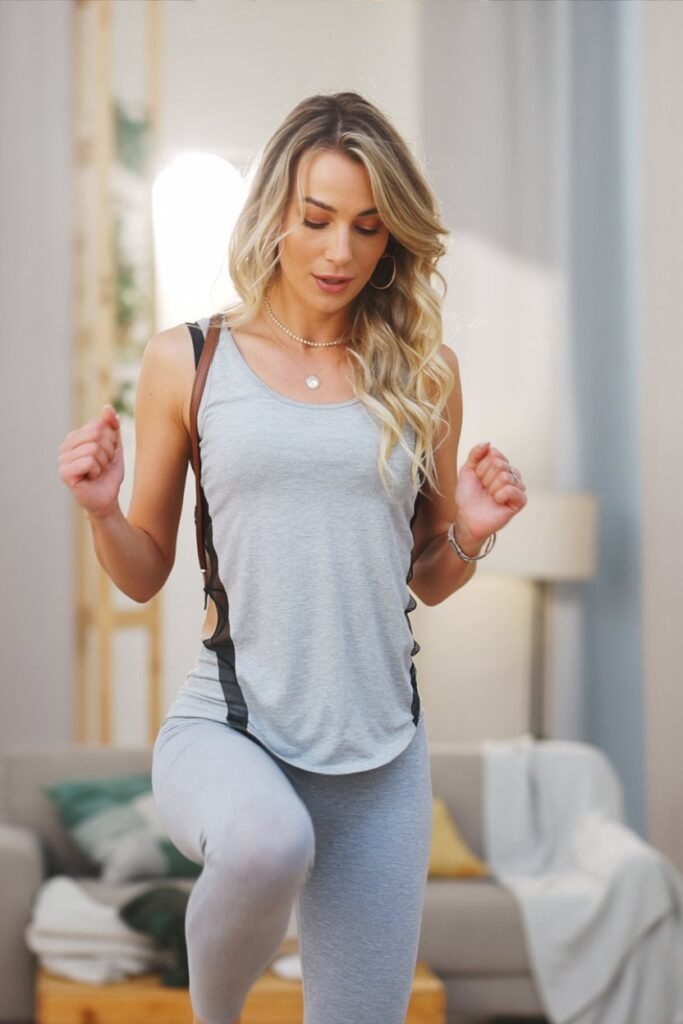
Skipping is a simple cardio exercise that helps improve endurance, coordination, and overall calorie burn. If you don’t have a rope, you can still do the same movement without one.
How to do it:
Stand tall with your feet together and elbows close to your sides. If you’re using a rope, rotate your wrists to swing it over your head and jump lightly as it passes under your feet.
If you’re doing invisible skipping, mimic the same jumping motion while rotating your wrists as if holding a rope. Keep a steady rhythm and stay on the balls of your feet.
Why it helps:
It increases your heart rate quickly, improves stamina, and engages your legs, core, and coordination.
Tip:
Keep your jumps small and light to avoid strain. Focus on rhythm rather than speed when starting out.
10. Standing Side Crunches
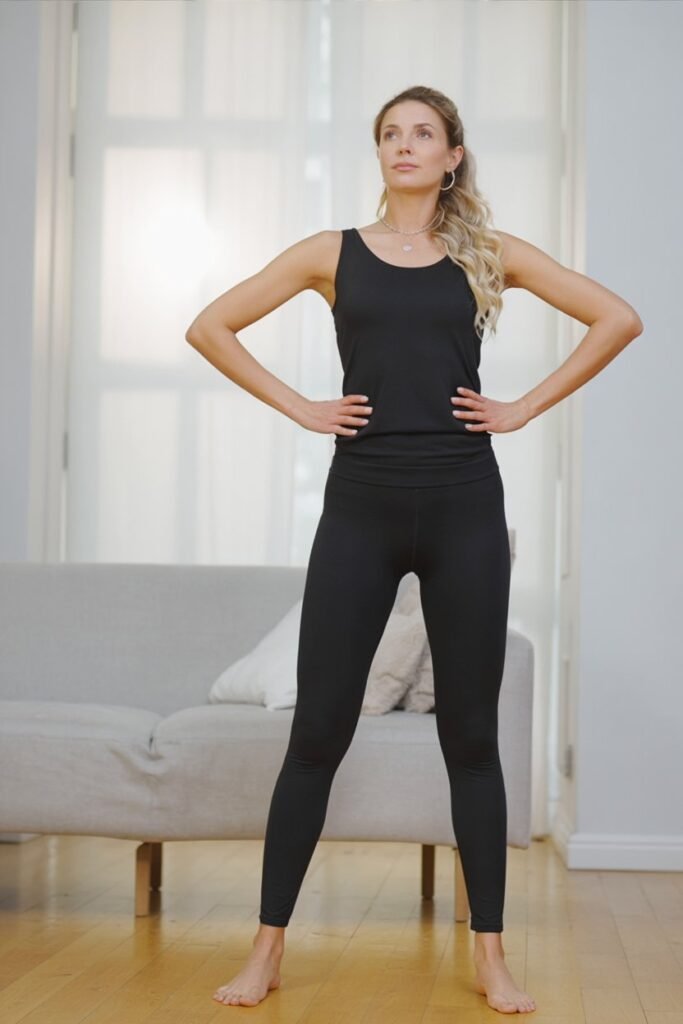
Standing side crunches are a simple core exercise that helps tone your waist and improve balance without needing to get on the floor.
How to do it:
Stand straight with your feet hip-width apart and your hands placed lightly behind your head or at your sides.
Lift one knee toward your side while bringing your elbow down to meet it, then return to the starting position. Switch sides and repeat in a controlled, alternating motion.
Why it helps:
It targets your obliques (side abdominal muscles), helping strengthen your core and improve waist definition while also keeping your body active.
Tip:
Avoid rushing the movement. Focus on squeezing your side muscles with each rep for better control and results.
How to Plan and Schedule Your Workout Routine
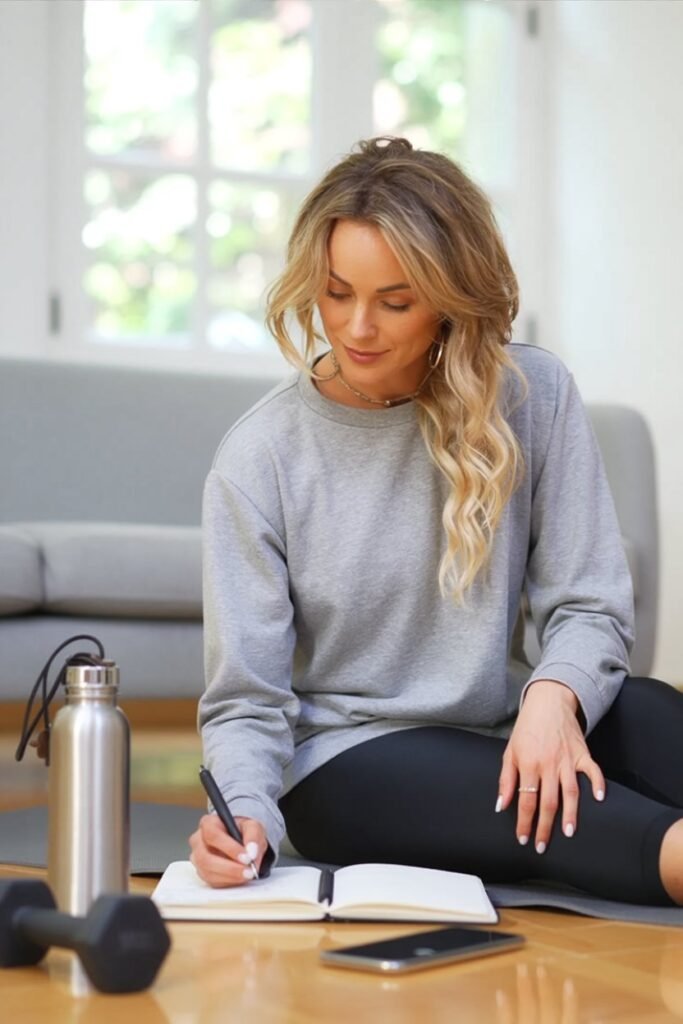
To get real results from these home workouts, consistency matters more than doing everything perfectly.
A simple weekly structure helps your body adapt, recover, and improve without feeling overwhelmed.
Start with a realistic weekly plan
Begin with 3–5 workout days per week depending on your fitness level. You don’t need to train every day — rest is part of progress.
Example schedule:
- Monday: Full routine (all 10 exercises)
- Tuesday: Light walk or rest
- Wednesday: Full routine
- Thursday: Rest or stretching
- Friday: Full routine
- Weekend: Light activity or rest
Keep workout sessions short but focused
Aim for 15–30 minutes per session. You can do:
- 30–45 seconds per exercise
- 15–30 seconds rest between moves
- 2–3 rounds depending on your energy level
Mix intensity through the week
Not every day should feel the same.
- Some days focus on full effort (burpees, high knees, mountain climbers)
- Other days go lighter with squats, planks, and glute bridges
Add rest and recovery days
Rest days help your muscles recover and grow stronger. Light stretching or walking is enough — you don’t need to be completely inactive.
Stay consistent, not perfect
Missing a day is normal. What matters is getting back on track instead of starting over. Even short sessions done regularly will show better results than occasional intense workouts.
Mistakes to Avoid When Doing Home Workouts
- Skipping warm-ups
- Doing too much too soon
- Ignoring proper form
- Not being consistent
- Skipping rest days
- Not drinking enough water
- Expecting quick results
Frequently Asked Questions
How often should I do these home workouts?
Aim for 3–5 times per week depending on your fitness level. Consistency matters more than doing it every single day.
Can I lose weight doing these exercises at home?
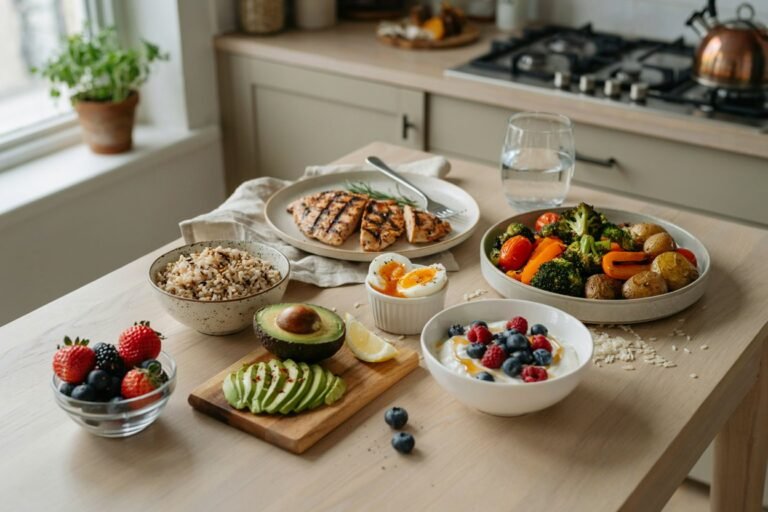
Yes, especially when combined with consistency and healthy eating habits. These workouts help burn calories and improve fitness over time.
How long should each workout session be?
Most sessions can be 15–30 minutes. You can adjust based on your energy level and schedule.
Do I need equipment for these workouts?
No, all exercises can be done using just your body weight and a small open space.
When will I start seeing results?
Results vary, but with consistency, many people notice changes in energy and strength within a few weeks.
Final Thoughts
Home workouts are one of the simplest ways to stay active without needing a gym or equipment.
What really makes the difference is not intensity, but consistency and showing up regularly.
Even short daily sessions can help improve your strength, boost your energy, and support steady weight loss over time.
The key is to keep it simple, stay consistent, and focus on progress instead of perfection.