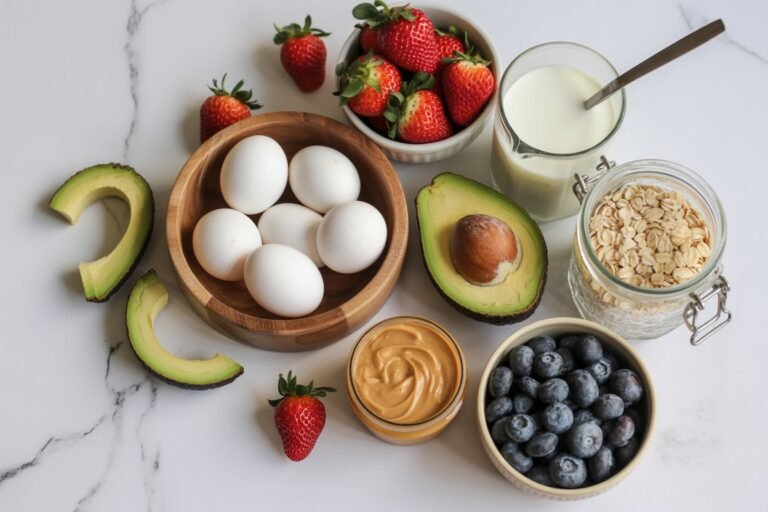
I’m going to be honest right from the start—losing 11 pounds in a month is possible for some people, but it doesn’t look the same for everyone, and it should never come from starving yourself or doing anything extreme. I’ve learned this the hard way.
Every time I tried crash diets or skipped meals, the weight came back fast… and usually brought friends with it.
What did work was focusing on simple daily habits, cleaning up my meals (not cutting them out), moving my body consistently, and understanding how water weight, bloating, and fat loss actually work together.
Once I stopped chasing “quick fixes” and started doing the basics properly, the scale finally started moving—and stayed moving.
In this post, I’ll break down how people realistically lose up to 11 lbs in a month, what part of that weight is fat vs water, and exactly what you should focus on if your goal is noticeable results without wrecking your metabolism or energy.
I’ll also share personal tips that helped me stay consistent even on busy days, low-motivation days, and “I just want snacks” days.
This isn’t about perfection. It’s about doing the right things consistently for 30 days and letting your body respond.
Before We Get Into the Plan: What You Need to Understand First

Losing 11 lbs in one month is possible for some people, but it’s not the same for everyone—and it shouldn’t come from extreme or unhealthy methods.
The goal here isn’t to starve yourself or overtrain. It’s to create a consistent routine that helps your body naturally burn fat, reduce water retention, and improve overall metabolism.
When I first aimed for faster results, I made the mistake of focusing only on the number on the scale.
But real progress came when I shifted my attention to daily habits—what I ate, how often I moved, how well I slept, and how consistent I was over time.
What usually makes the biggest difference in a short period is a combination of:
- Eating in a moderate calorie deficit (not starving yourself)
- Increasing daily movement (walking counts more than people think)
- Reducing processed foods and excess sugar
- Drinking enough water to reduce bloating
- Getting proper sleep so your body can recover and regulate hormones
Also, the first few pounds people lose quickly are often water weight and reduced bloating—not pure fat loss.
That’s why results can look fast at the beginning but need consistency to continue.
So as you go through this guide, don’t treat it like a crash challenge.
Think of it as a 30-day reset that helps your body become lighter, more active, and healthier in a sustainable way.
Section 1: What Losing 11 lbs in a Month Really Means (Fat vs Water Weight)
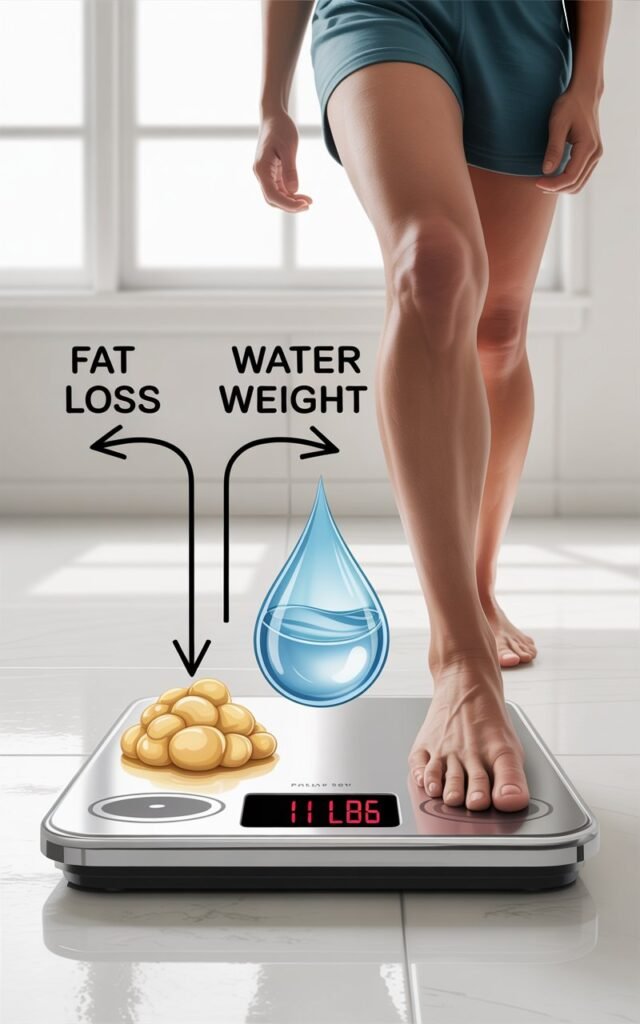
Before we talk about food or workouts, this part is really important—because it sets realistic expectations and keeps you from getting discouraged.
When people say they lost 11 pounds in a month, that weight is usually a mix of:
- Body fat
- Water weight
- Reduced bloating
- Food weight from cleaner eating
And that’s completely normal.
From my own experience, the first 7–10 days are when the scale drops the fastest. Not because you suddenly burned tons of fat, but because:
- You’re eating less salt and processed food
- Your body releases stored water
- Your digestion improves
- Bloating goes down
That early drop is actually motivating—and it helps you stick with the plan.
What’s a healthy breakdown?
For most people:
- 4–7 lbs can be real fat loss in a month
- The rest is water and inflammation leaving your body
And that’s still a huge win. Clothes fit better, energy improves, and your body feels lighter.
Why this matters
When I didn’t understand this, I used to panic:
“The scale stopped dropping—am I failing?”
But once I realized fat loss is slower and steadier than water loss, I stopped quitting too early. That mindset shift alone helped me stay consistent long enough to see real results.
Key takeaway from this section
✔️ Losing up to 11 lbs in a month is possible
✔️ Not all of it is fat—and that’s okay
✔️ Early scale drops are normal and motivating
Related Weight Loss Guides
- 10-Day Oatmeal Diet to Shed Pounds
- 21-Day Cardio Workout Plan for Weight Loss
- How to Lose Your First 20 Pounds Fast: A Complete Fat Loss Plan
- How I Dropped Pounds and Toned Up in a Week With Bodyweight Workouts
- How to Lose Up to 5 Pounds in One Week Using Kettlebells
Section 2: The Daily Calorie Focus That Actually Works (Without Starving Yourself)
This is where most people mess up. I did too.
I used to think losing weight fast meant eating as little as possible. Skipping meals, tiny portions, feeling tired all day… and then binge-eating at night because my body was screaming for fuel.
That never worked long-term.
What actually works
To lose weight consistently (even quickly), you need a moderate calorie deficit, not starvation.
For most women:
- Aiming for 300–500 calories below maintenance is sustainable
- Pairing that with movement creates a bigger overall deficit
- You still eat enough to have energy and stay consistent
This is how people lose fat and avoid rebound weight gain.
The mindset shift that helped me
Instead of asking:
“How little can I eat?”
I started asking:
“How can I eat smarter and still feel full?”
That one question changed everything.
What your meals should look like
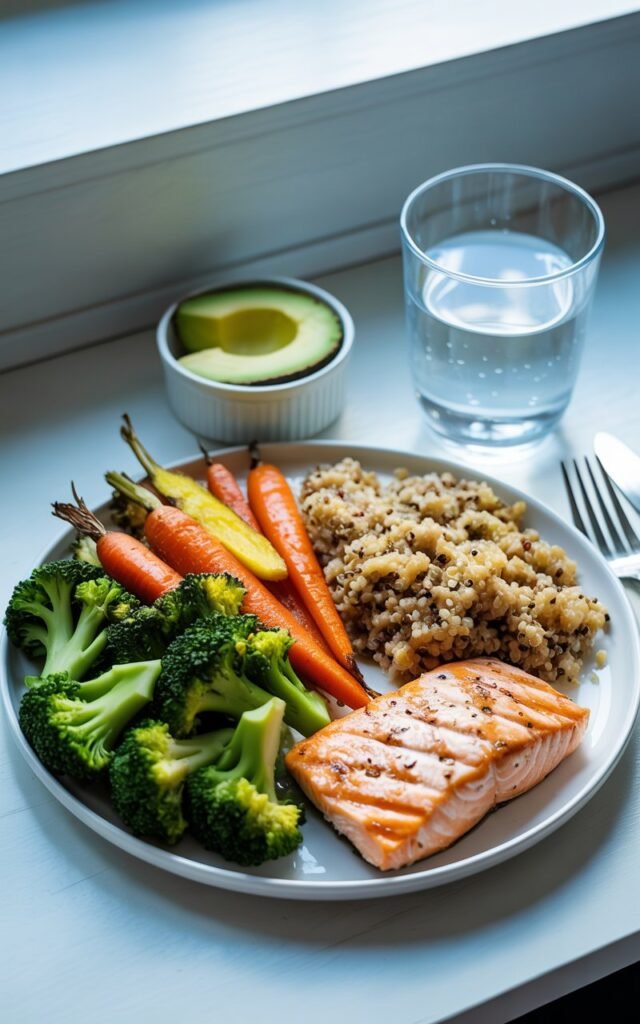
Every main meal should include:
- Protein → keeps you full and protects muscle
- Fiber → reduces cravings and bloating
- Healthy fats → keeps hormones stable
A simple plate formula that worked for me:
- ½ plate: vegetables
- ¼ plate: protein
- ¼ plate: carbs
- 1 small fat source
No weighing food. No obsessing. Just balance.
A very important note
If you’re constantly:
- Dizzy
- Extremely tired
- Irritable
- Obsessed with food
You’re eating too little. That slows fat loss, not speeds it up.
Key takeaway from this section
✔️ You don’t need extreme restriction
✔️ Moderate deficits work better than crash dieting
✔️ Eating enough helps you stay consistent
✔️ Consistency is what makes the scale move
Section 3: The Foods That Speed Up Results (And the Ones That Slow You Down)
This is where weight loss starts to feel easier, not harder.
When I focused only on calories, I was constantly hungry.
But once I changed what I was eating, my appetite naturally dropped, cravings calmed down, and the scale finally moved without me forcing it.
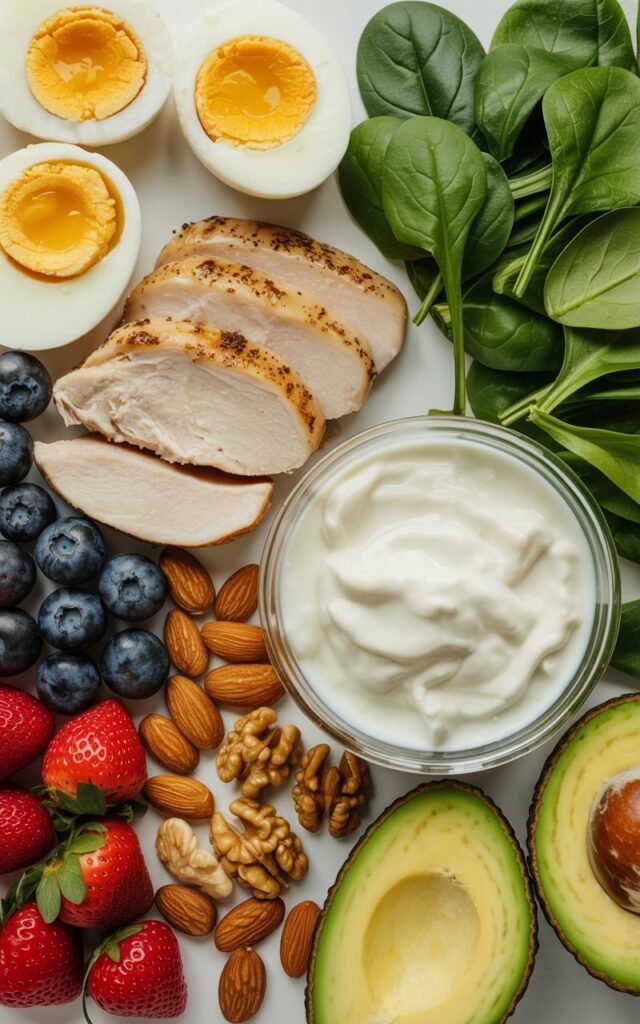
Foods that help you lose weight faster
These foods keep you full longer, reduce bloating, and support fat loss:
1. Protein-rich foods
Protein was a game changer for me.
- Eggs
- Chicken
- Fish
- Greek yogurt
- Beans and lentils
Protein helps control hunger and prevents muscle loss while losing weight.
2. High-fiber foods
Fiber slows digestion and keeps you satisfied.
- Vegetables (especially leafy greens)
- Oats
- Berries
- Apples
- Beans
I noticed my stomach felt flatter within days once I increased fiber.
3. Simple, whole carbs
Carbs aren’t the enemy — ultra-processed ones are.
- Rice
- Potatoes
- Oats
- Whole grains
These give energy without causing massive cravings.
4. Healthy fats (small amounts)
- Olive oil
- Nuts
- Seeds
- Avocado
They help you feel satisfied so you don’t snack nonstop later.
Foods that slow progress (without you realizing)
You don’t have to quit these forever — just limit them for 30 days.
- Sugary drinks
- Fried foods
- Packaged snacks
- Pastries and baked goods
- Alcohol
When I cut back on these, my bloating dropped first — then my weight followed.
A realistic rule that helped me
Instead of banning foods, I followed this:
80% nourishing foods, 20% flexible
That mindset helped me stay consistent without feeling restricted.
Key takeaway from this section
✔️ Food quality matters as much as calories
✔️ Protein and fiber reduce hunger naturally
✔️ Whole foods make weight loss easier
✔️ You don’t need perfection — just better choices
Section 4: Move Your Body Every Day (No Gym Required)

Exercise helps you burn calories, protect muscle, improve metabolism, and keep the weight off—but it does not need to be extreme or done in a gym to be effective.
For losing up to 11 lbs in a month, your goal is daily movement, not punishment workouts.
Daily Movement Is Non-Negotiable
The easiest and most sustainable fat-loss tool is walking.
Daily target:
- 7,000–10,000 steps per day
- Or 30–60 minutes of brisk walking
Walking:
- Burns fat without stressing joints
- Lowers cortisol (stress hormone)
- Reduces cravings
- Is easy to stay consistent with
You can split it up:
- 15 minutes morning
- 15 minutes afternoon
- 15 minutes evening
Strength Training (3–4 Days Per Week)
Strength training is critical because it:
- Prevents muscle loss
- Keeps metabolism higher
- Shapes your body as weight drops
Beginner-friendly exercises:
- Squats
- Lunges
- Glute bridges
- Push-ups (wall or knee)
- Planks
- Dumbbell or water-bottle rows
Session length:
20–30 minutes is enough.
Rule:
If you’re short on time, do strength training first, then walk later.
Optional: Short Cardio or HIIT (2–3x Weekly)
This is optional, not required.
If you enjoy it, you can add:
- 10–20 minutes of cycling
- Jump rope
- Fast stair walking
- Simple HIIT (30 seconds work / 30 seconds rest)
HIIT burns calories fast but should not be done every day.
Weekly Movement Plan (Simple & Realistic)
- Walking: Every day
- Strength training: 3–4 days
- HIIT or extra cardio: 2–3 days (optional)
- Rest: 1–2 light days with walking only
Consistency beats intensity.
Signs You’re Doing Too Much
Slow down if you feel:
- Extreme fatigue
- Constant soreness
- Increased hunger
- Poor sleep
- Irritability
Fat loss works best when your body feels supported, not stressed.
Key Takeaway
You don’t lose weight by destroying your body—you lose it by moving consistently.
Daily walking + simple strength training is enough to support rapid fat loss without burnout.
Section 5: Sleep, Water, and Stress — The Hidden Weight-Loss Multipliers

This section doesn’t get talked about enough, but honestly?
Fixing these three things made weight loss feel so much easier for me.
I didn’t change my workouts. I didn’t eat less.
I just started sleeping better, drinking more water, and managing stress — and the scale finally cooperated.
1. Sleep: Fat Loss Starts at Night
When you don’t sleep enough, your body:
- Holds onto fat
- Increases hunger hormones
- Craves sugar and carbs
- Slows metabolism
Aim for:
7–9 hours of sleep per night.
What helped me personally:
- No phone 30 minutes before bed
- A consistent bedtime (even on weekends)
- Eating dinner at least 2–3 hours before sleeping
Even improving sleep by one extra hour can make a difference.
2. Water: The Simplest Weight-Loss Tool
I used to think I was hungry — I was just dehydrated.
Water helps:
- Reduce bloating
- Control appetite
- Improve digestion
- Increase calorie burn slightly
Simple daily goal:
- 2–3 liters per day
- Start your morning with 1 full glass
- Drink a glass before each meal
If plain water is boring:
- Add lemon
- Add cucumber
- Drink herbal tea (unsweetened)
3. Stress: The Silent Weight-Loss Killer
High stress = high cortisol.
High cortisol = stubborn belly fat.
Things that helped lower my stress:
- Daily walks (even slow ones)
- Deep breathing for 5 minutes
- Stretching at night
- Saying no to doing “too much”
You don’t need to be perfect — you just need to slow down a little.
A Gentle Reminder
If you’re:
- Doing everything “right”
- Eating well
- Moving consistently
But the scale isn’t moving…
Look at sleep, water, and stress before cutting more food.
Key Takeaway from This Section
✔️ Better sleep = easier fat loss
✔️ Water reduces false hunger
✔️ Lower stress helps release stored fat
✔️ Recovery is part of the process
Section 6: How to Stay Consistent for 30 Days (And Actually Lose the 11 lbs)

This is the part that matters most — because consistency, not perfection, is what gets results.
I’ve learned (the hard way) that motivation comes and goes. Some days you’ll feel amazing. Other days, life happens — kids, work, stress, tiredness. That’s normal.
What helped me stay consistent was simplifying everything.
The 30-Day Non-Negotiables
Instead of doing everything, focus on just these daily basics:
- Eat balanced meals (protein + fiber every meal)
- Walk every day
- Strength train 3–4 times a week
- Drink enough water
- Sleep as well as you can
That’s it.
If a day isn’t perfect, don’t quit. One off day doesn’t ruin progress — quitting does.
How to Handle Plateaus
If the scale doesn’t move for a few days:
- Check water intake
- Reduce salty or ultra-processed foods
- Focus on sleep
- Keep walking
Fat loss isn’t always linear. Sometimes your body is adjusting before releasing weight.
What Results to Expect in a Month
Everyone’s body is different, but with consistency you may notice:
- 5–11 lbs weight loss
- Reduced bloating
- Smaller waist
- Better energy
- Clothes fitting looser
- Fewer cravings
Even if you don’t hit exactly 11 lbs, any progress is still progress.
FAQ: Losing 11 lbs in a Month
1. Is it really possible to lose 11 lbs in one month?
Yes, it can be possible for some people, especially at the beginning of a fitness journey. However, results depend on your starting weight, lifestyle, and consistency.
2. Is it safe to lose that much weight so fast?
It can be safe if done properly with a balanced calorie deficit, exercise, and good nutrition. Extreme dieting is not recommended.
3. Will I gain the weight back?
Only if you return to old eating habits. Sustainable habits help maintain results long-term.
4. Do I need to exercise every day?
You should aim for daily movement, but intense workouts aren’t required every day. Walking and light workouts also count.
5. What should I eat to lose weight faster?
Focus on whole foods like lean protein, vegetables, fruits, whole grains, and healthy fats while reducing processed foods and sugary drinks.
6. Can I lose weight without going to the gym?
Yes. Home workouts, walking, and bodyweight exercises can be very effective.
7. Why is my weight not dropping even when I try?
It could be due to water retention, inconsistent habits, hidden calories, stress, or lack of sleep.
8. How important is water intake?
Very important. It helps reduce bloating, supports metabolism, and can control appetite.
9. Should I cut carbs completely?
No. You don’t need to eliminate carbs—just choose healthier ones and control portions.
10. What is the fastest safe way to see results?
Combine a mild calorie deficit, daily movement, high-protein meals, good sleep, and consistency over 30 days.
Final Thoughts: You Can Do This
Losing 11 lbs in a month isn’t about extremes — it’s about smart habits done consistently.
You don’t need:
- Starvation
- Endless cardio
- Expensive programs
You need:
- A realistic plan
- Daily movement
- Balanced meals
- Patience with yourself
If this guide helped you, please share it with a friend, family member, or anyone trying to lose weight in a healthy way. You never know who needs encouragement right now.