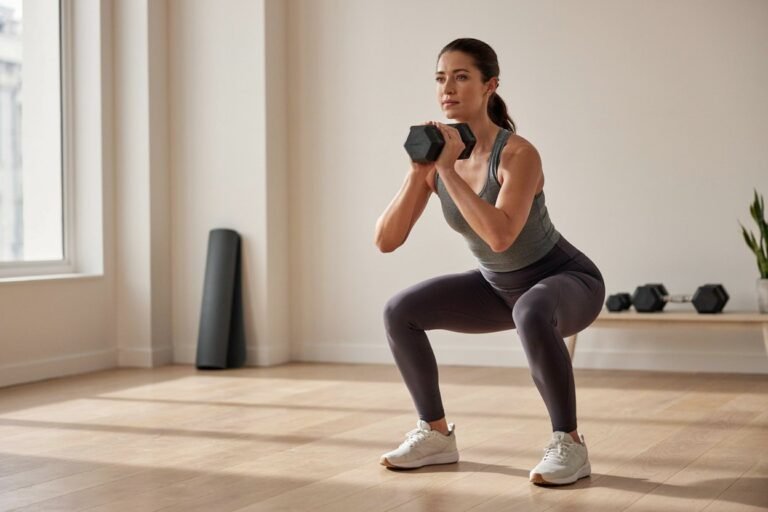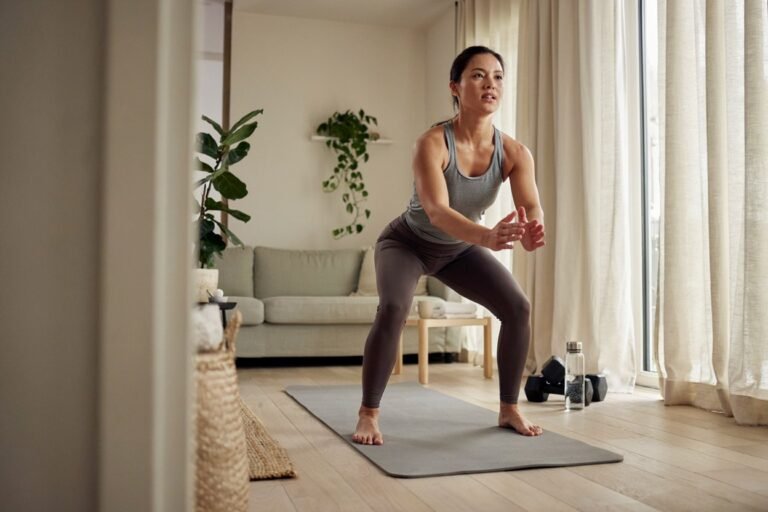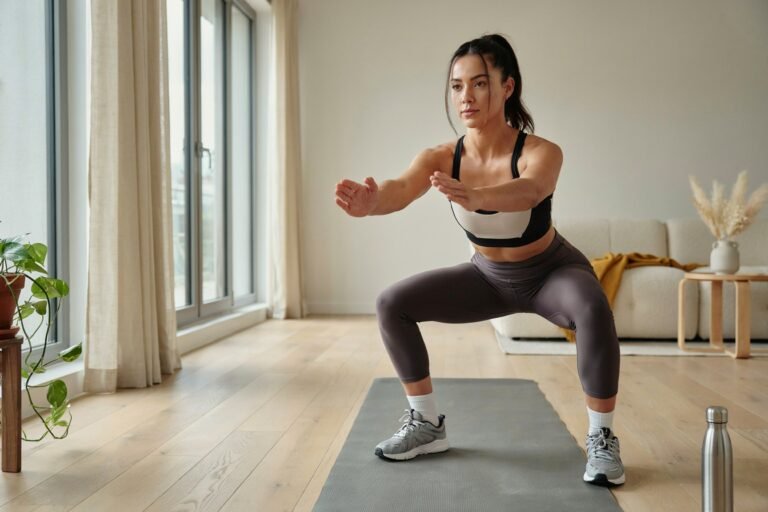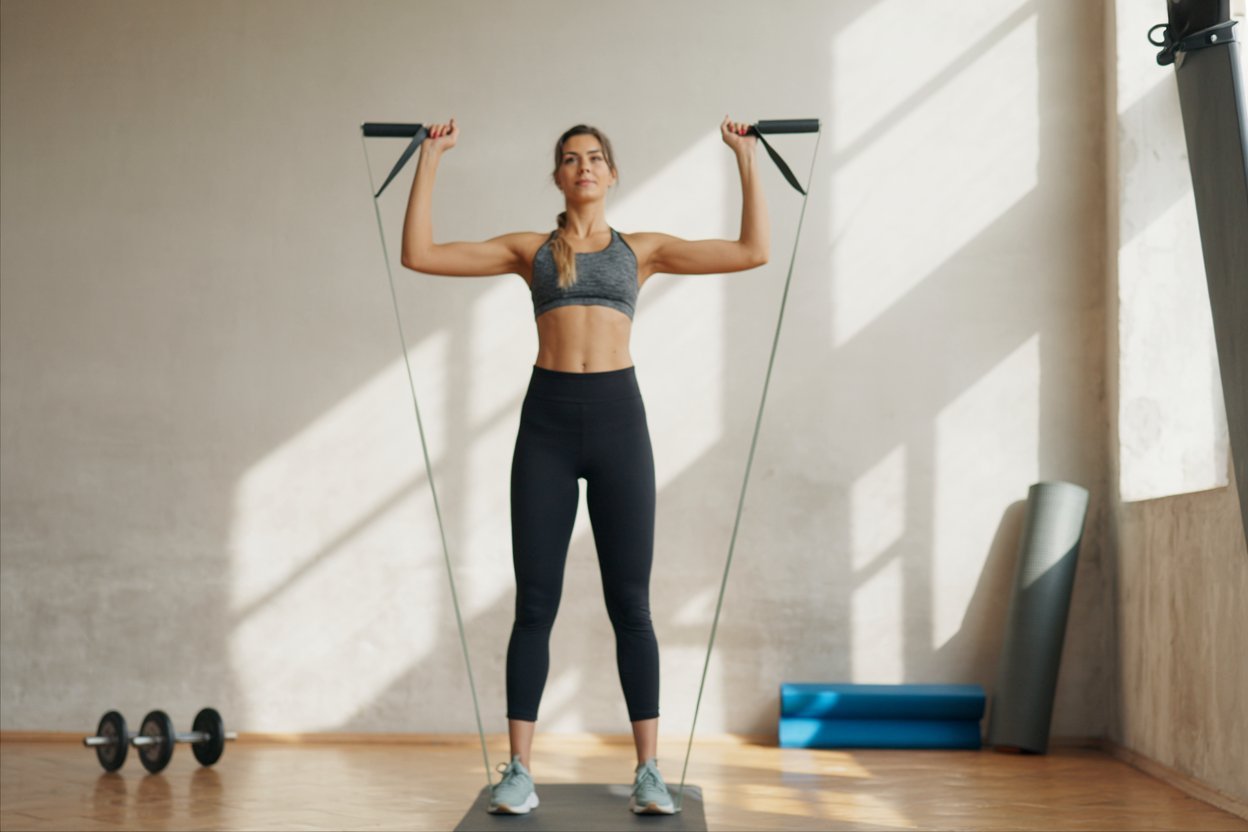
We are working your shoulders today, aiming for strong, sexy, sculpted shoulders.
If this is your first time following my routines, I highly recommend checking out the breakdown of each move and choosing the right weight for you.
The last thing you want is to overdo it on your first try. Once you’re ready, grab your dumbbells, stand tall, and let’s dive in.
I’ve been doing this shoulder routine for over a year now, and the transformation has been incredible—not just in the way my shoulders look but in how I feel.
Everyday tasks like lifting heavy grocery bags, pushing a lawn mower, or even carrying a backpack feel easier, and I notice a difference in my posture almost immediately.
Shoulders aren’t just about aesthetics; they are about functional strength, stability, and confidence.
Warm-Up Routine (Before Shoulder Workout)
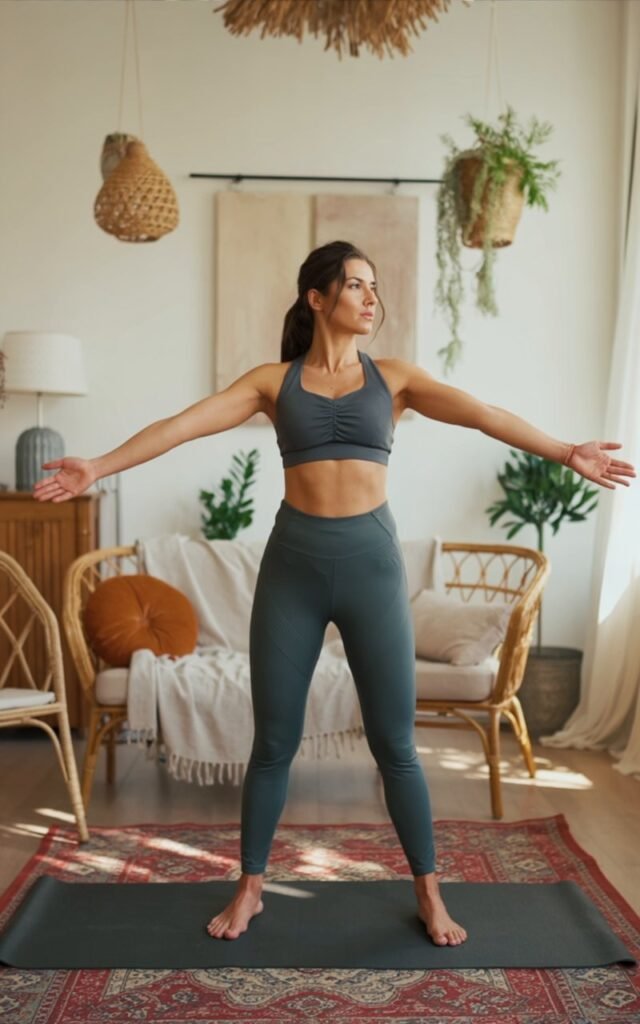
Before I start any shoulder workout, I make sure I spend at least 5–7 minutes warming up.
I didn’t always do this, and I used to feel stiffness and limited range during exercises like presses and raises.
Once I started warming up properly, my shoulder mobility, strength, and overall performance improved instantly.
Here’s the simple shoulder warm-up routine I follow:
- Arm Circles (Forward & Backward) – 30 seconds each
I keep my arms extended and make controlled circles to loosen up the shoulder joints. - Shoulder Rolls – 30 seconds
Rolling my shoulders forward and backward helps release tension, especially if I’ve been sitting a lot. - Resistance Band Pull-Aparts (or Light Weights) – 10–12 reps
This activates my upper back and rear delts, which is key for balanced shoulder development. - Arm Swings (Cross-Body) – 30 seconds
I swing my arms across my chest to open up the shoulders and improve flexibility.
This quick routine helps increase blood flow, reduce injury risk, and improve muscle activation, making my shoulder workout more effective for fat loss and lean muscle building.
Military Press: Laying the Foundation for Strong Shoulders
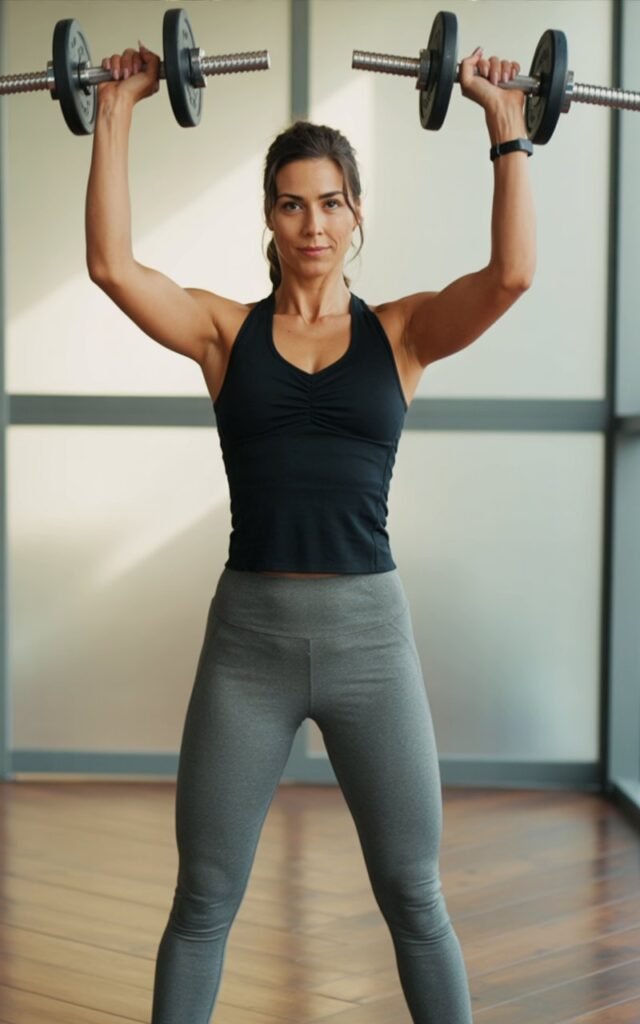
The military press is one of my go-to exercises for building strong, lean, and sculpted shoulders. It works the delts, triceps, and upper chest, improving both strength and posture.
How To Perform
- Start: Stand tall, feet shoulder-width apart, dumbbells at shoulder height, core tight.
- Press: Push dumbbells overhead slowly, arms almost fully extended.
- Lower: Bring weights back down with control.
- Breathe: Exhale while pressing, inhale while lowering.
Tips: Start with lighter weights, keep movements controlled, and avoid arching your back.
Even doing 10–12 reps for 2–3 sets consistently has made my shoulders stronger, toned, and more confident.
Front Raise: Isolating the Front Delts
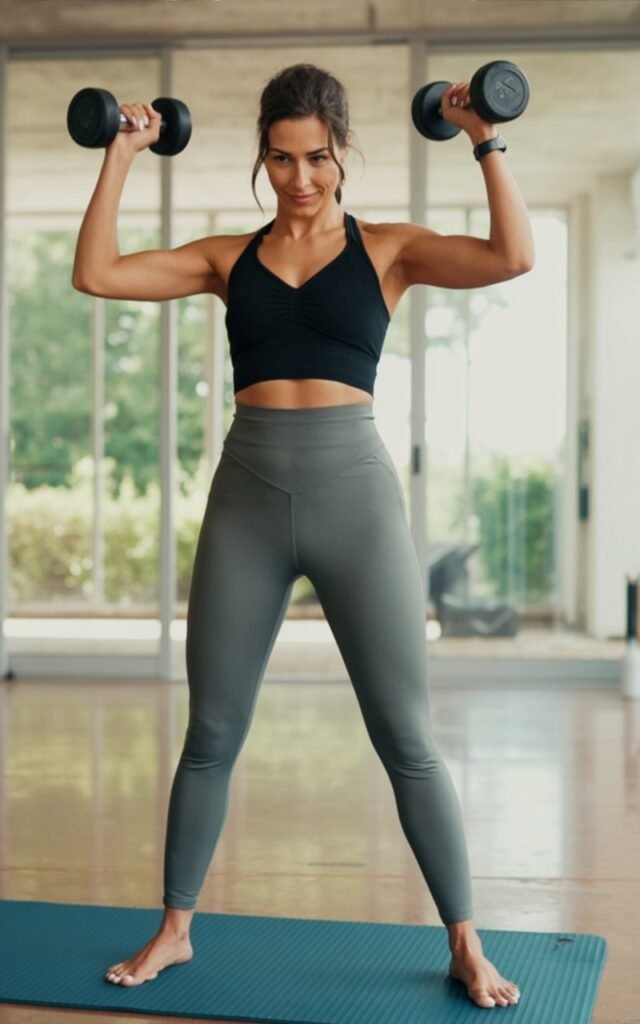
The front raise is one of my favorite exercises for toning the front part of the shoulders.
It really isolates the front delts, helping create a defined, sculpted look while improving functional strength for lifting and pushing movements.
How To Perform
- Start: Stand tall, feet shoulder-width apart, dumbbells at your sides, palms facing your thighs.
- Lift: Raise the dumbbells straight in front of you to shoulder height, keeping arms slightly bent.
- Lower: Slowly lower the weights back down to your sides.
- Breathe: Exhale as you lift, inhale as you lower.
Tips:
- Move slowly and deliberately to fully engage the muscles.
- Start with lighter weights to maintain form and avoid swinging.
- Increase weight gradually as your strength improves.
Doing 10–12 reps for 2–3 sets gives a controlled burn that helps your front delts pop and adds to overall shoulder symmetry.
Upright Row: Sculpting the Middle Delts and Traps
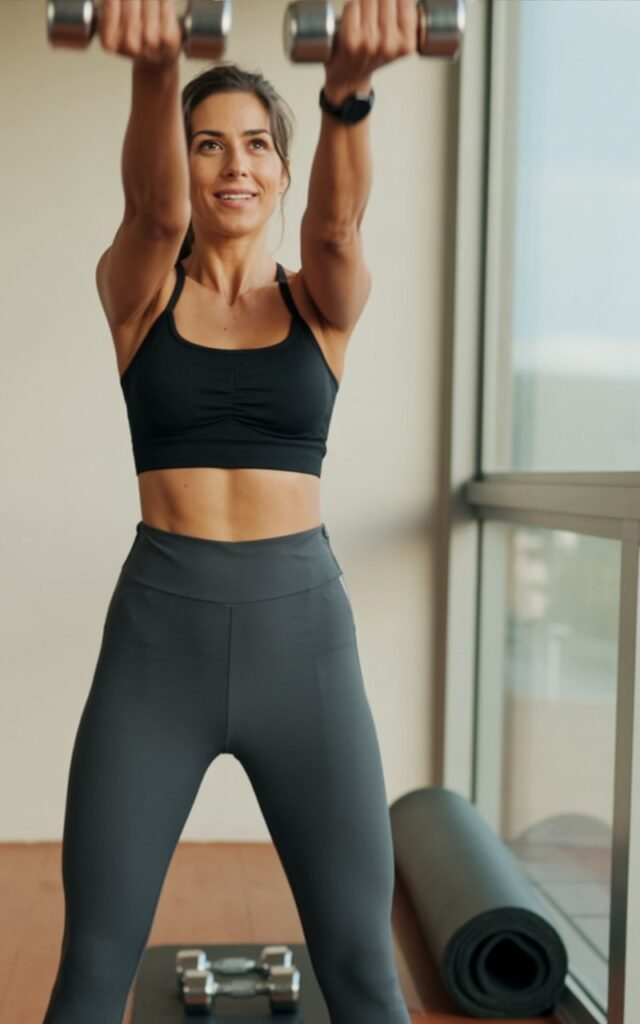
The upright row quickly became one of my favorite shoulder exercises because it sculpts the middle delts and upper traps, giving my shoulders a broader, more defined look.
I remember the first time I did it—I struggled with bent wrists and felt little engagement.
Once I focused on keeping my elbows high and wrists straight, the burn was incredible.
How I Do It
- Start: Stand tall, feet shoulder-width apart, dumbbells in front of thighs, palms facing your body.
- Lift: Pull the dumbbells straight up toward your chin, leading with your elbows.
- Lower: Slowly bring them back down with control.
- Breathe: Exhale while lifting, inhale while lowering.
My Tips:
- Keep movements controlled—no swinging.
- Focus on feeling the middle delts and traps working.
- Start lighter if needed and increase gradually.
I love this exercise because friends often notice my shoulders looking strong, rounded, and toned, and I feel the difference in posture and upper body strength every day.
Press with Arm Opening: Full Shoulder Burn
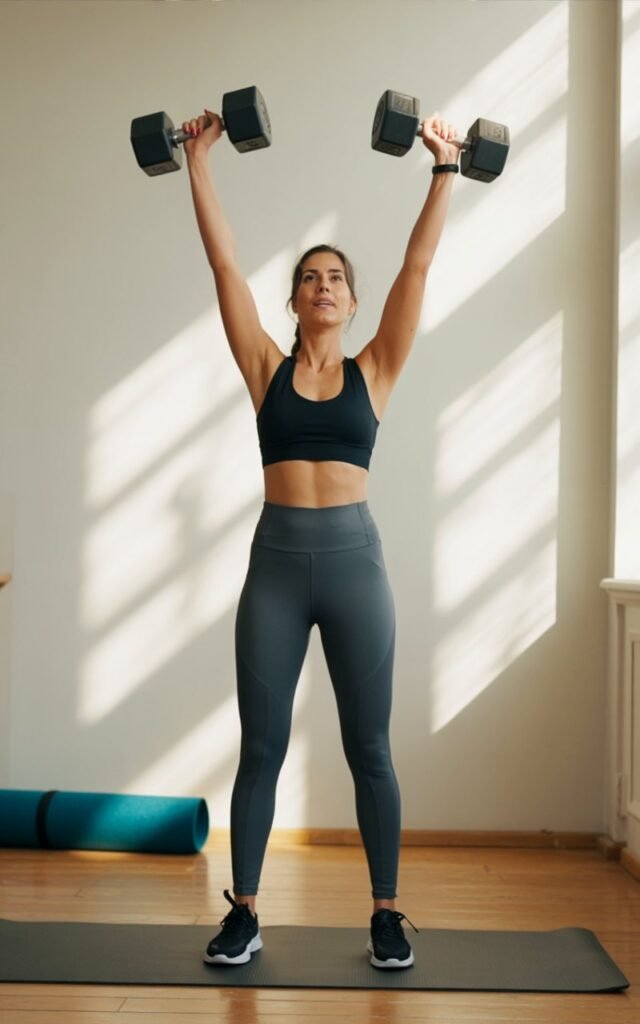
This move is one of my favorites because it hits the shoulders from multiple angles and really gives a full burn.
When I first tried it, I went too heavy and struggled to maintain form.
Once I focused on lighter weights and precise control, the difference was immediate—I could feel every shoulder muscle working.
How I Do It
- Start: Stand tall with dumbbells at shoulder height, palms facing forward.
- Press & Open: Press the weights overhead, then open your arms out to the sides.
- Return: Bring arms back in and lower dumbbells to shoulders slowly.
- Breathe: Exhale as you press and open, inhale as you return.
Tips:
- Keep movements slow and controlled.
- Focus on engaging your delts and core throughout.
- Start light and gradually increase weight for a deeper burn.
This exercise leaves my shoulders sculpted, strong, and energized, and it’s become a staple in my home workout for a complete shoulder transformation.
Half Moons: Engaging the Lats for Balance

Half moons quickly became a favorite in my routine because they work the front and lateral delts while also engaging the lats, which helps create balanced, strong shoulders.
At first, I thought shoulders were just about delts, but incorporating half moons made me realize how much the lats and posture matter.
How I Do It
- Start: Stand tall with dumbbells at your sides, elbows slightly bent.
- Lift in a Semi-Circle: Move the weights in a controlled half-circle motion out to the side and back.
- Control: Keep the movement slow and steady to maximize muscle engagement.
- Breathe: Exhale as you lift, inhale as you lower.
Tips:
- Focus on controlled movement rather than speed.
- Keep your core tight to maintain balance.
- Light weights work best at first to perfect form.
This exercise improved my shoulder symmetry, posture, and overall strength, and now I notice a straighter back and more confident stance even during daily activities.
Lateral Raise: Widening Your Shoulders
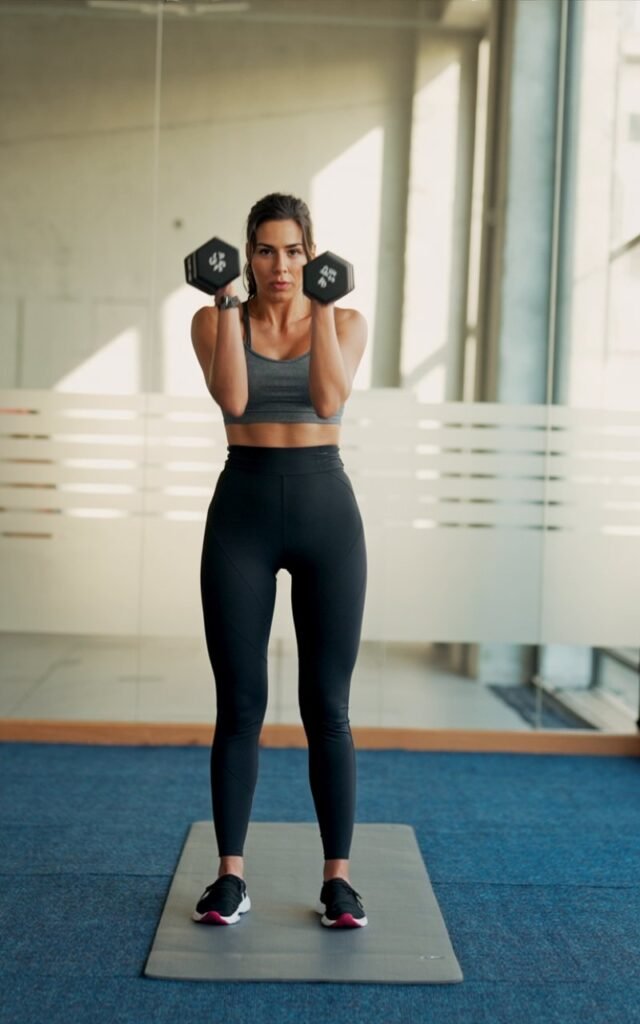
The lateral raise is a must in my routine because it targets the middle delts and really helps broaden and define the shoulders.
When I first tried it, my palms were rotated the wrong way, and I wasn’t feeling the burn.
Once I corrected that, the tension in my shoulders after each set was amazing.
How I Do It
- Start: Stand tall, dumbbells in front of thighs, palms facing your body.
- Lift: Raise the weights out to the sides up to shoulder height, leading with elbows, not hands.
- Lower: Slowly bring the dumbbells back down with control.
- Breathe: Exhale as you lift, inhale as you lower.
Tips:
- Keep movements slow and controlled for maximum engagement.
- Avoid swinging or using momentum.
- Start light and increase gradually to continue building lean, sculpted shoulders.
I love this exercise because it visibly widens and sculpts my shoulders, giving me a balanced, strong, and toned look even in casual clothes.
Posterior Delt Raise: Strengthening the Rear Delts
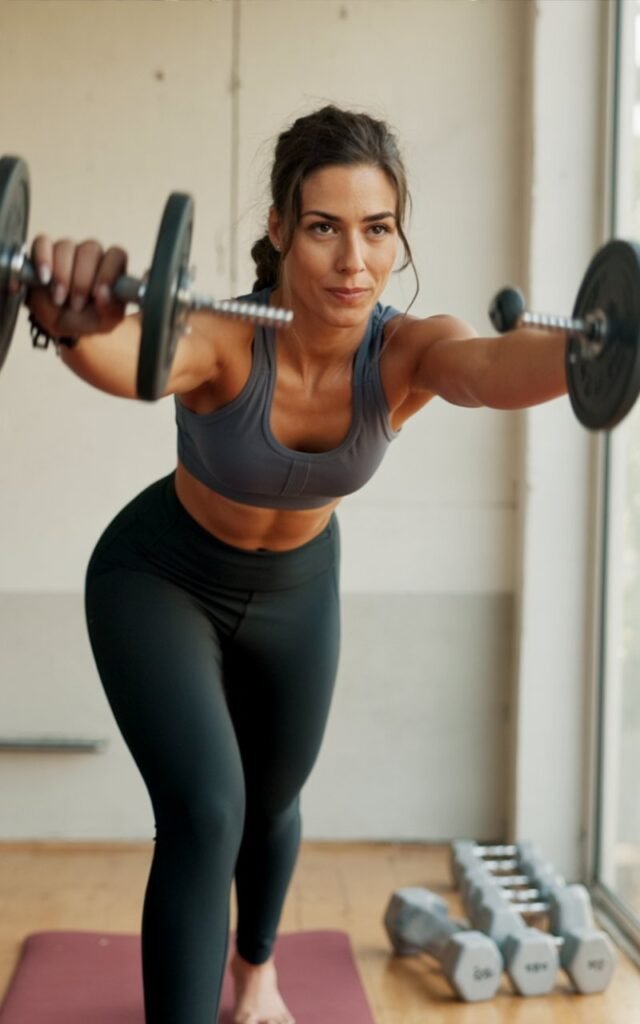
The posterior delt raise is key for balanced, rounded shoulders. I used to ignore this area, but I noticed my shoulders looked incomplete until I added this move.
It targets the rear delts and upper back, improving posture and giving my shoulders a full, sculpted look.
How I Do It
- Start: Hinge slightly at the waist with a flat back, dumbbells in front of thighs, core engaged.
- Lift: Raise the dumbbells out to the sides, squeezing shoulder blades together.
- Lower: Slowly return to start.
- Breathe: Exhale as you lift, inhale as you lower.
Tips:
- Keep your back flat and core tight to avoid strain.
- Move slowly and focus on feeling the rear delts working.
- Start with lighter weights to perfect form before increasing.
After adding this to my routine, my shoulders look balanced and strong, and my posture has noticeably improved in everyday tasks.
Weekly Shoulder Workout Schedule
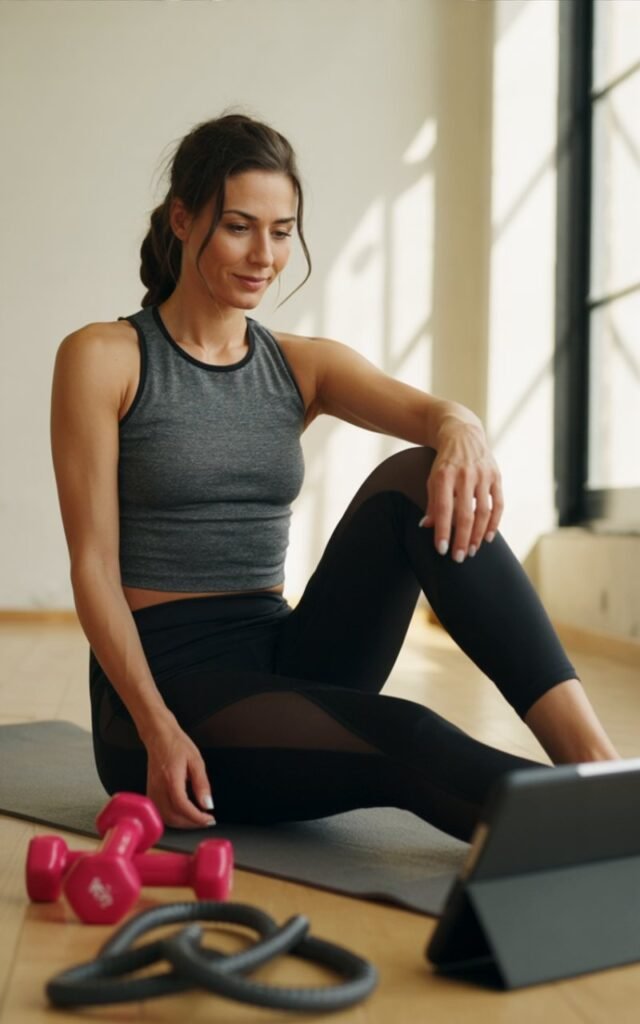
To stay consistent and avoid overtraining, I follow a balanced weekly workout routine that includes shoulders without overworking them.
Here’s how I structure it:
- Day 1: Full Shoulder Workout
- Day 2: Lower Body (Legs & Glutes)
- Day 3: Light Upper Body or Active Recovery
- Day 4: Shoulder + Core Workout
- Day 5: Rest or Light Cardio
- Day 6: Full-Body Workout
- Day 7: Rest
This schedule helps me build lean muscle, burn fat, and give my shoulders enough time to recover and grow.
I’ve found that training shoulders 2 times per week is the sweet spot for strength, toning, and definition.
How Long It Takes to See Results

One of the biggest questions I had when I started was: “How long before I see results?”
From my experience, here’s what usually happens:
- Week 1–2:
I started feeling better muscle activation and improved strength. My posture also felt slightly better. - Week 3–4:
This is when I began to notice visible toning in my shoulders and arms, especially in fitted tops. - Week 5–6+:
My shoulders looked more defined, sculpted, and balanced, and everyday movements felt easier.
What I’ve learned is that consistency, proper form, and progressive overload (gradually increasing weight) are what really drive results.
It’s not about quick fixes—it’s about building a routine that supports long-term fat loss and lean muscle development.
Best Weights to Use (Beginner to Advanced)

Choosing the right weight made a huge difference in my progress.
I used to either go too heavy or too light, but finding the right balance helped me tone my shoulders effectively without injury.
Here’s a simple guide:
- Beginner: 2–5 lbs (1–2 kg)
Focus on learning proper form and control. - Intermediate: 5–10 lbs (2–5 kg)
This is where you start building strength and muscle definition. - Advanced: 10–20 lbs (5–9 kg)
Heavier weights help increase muscle growth and overall shoulder strength.
My approach:
I always choose a weight that challenges me by the last few reps but still allows me to maintain good form and controlled movement.
Every few weeks, I slightly increase the weight to keep progressing and continue building a lean, sculpted upper body.
Common Mistakes I Made (And How to Avoid Them)
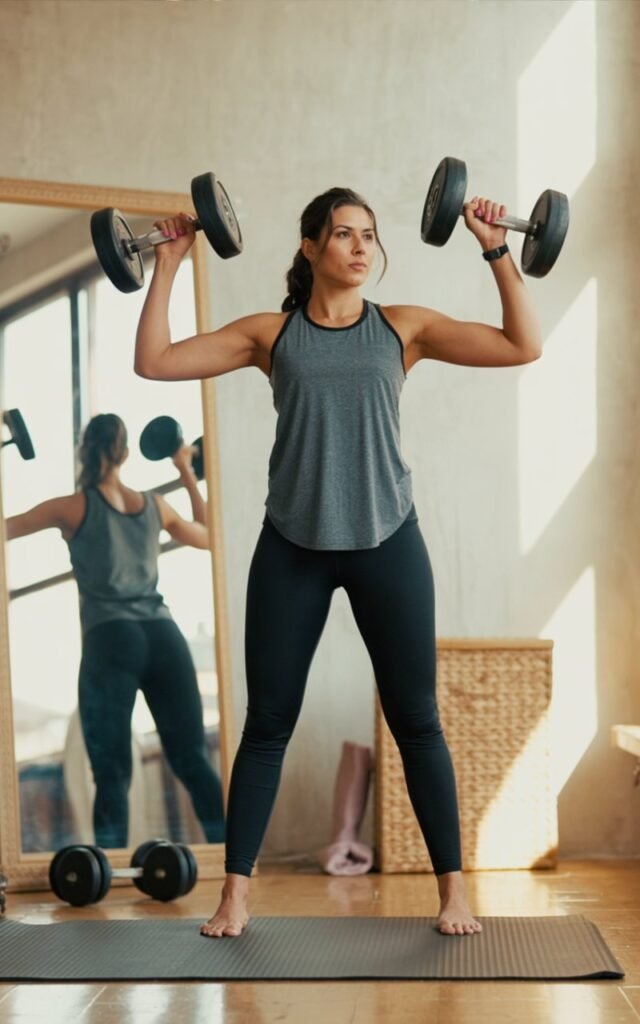
When I first started training shoulders, I made a lot of small mistakes that slowed my progress.
Fixing these made a huge difference in how quickly I saw lean muscle tone and strength gains.
Here are the biggest ones:
- Using Weights That Were Too Heavy
I thought heavier meant better results, but it only led to poor form.
Fix: I now choose weights that allow me to move slowly and with control. - Arching My Lower Back During Presses
This caused discomfort and took tension off my shoulders.
Fix: I keep my core tight and stand tall, which protects my back and improves form. - Rushing Through Reps
Fast reps reduced muscle engagement.
Fix: I focus on controlled movements, especially during the lowering phase. - Ignoring Rear Delts
I used to focus only on front and side shoulders.
Fix: Adding posterior delt raises helped create a more balanced, sculpted look.
Avoiding these mistakes helped me build stronger shoulders, improve posture, and get better results faster.
My Personal Takeaways
After months of consistent training with this shoulder routine, I can say the results go beyond aesthetics.
My shoulders are stronger, sculpted, and functional.
I have better posture, less fatigue during physical tasks, and a noticeable increase in confidence.
Tips for a Successful Shoulder Workout at Home:
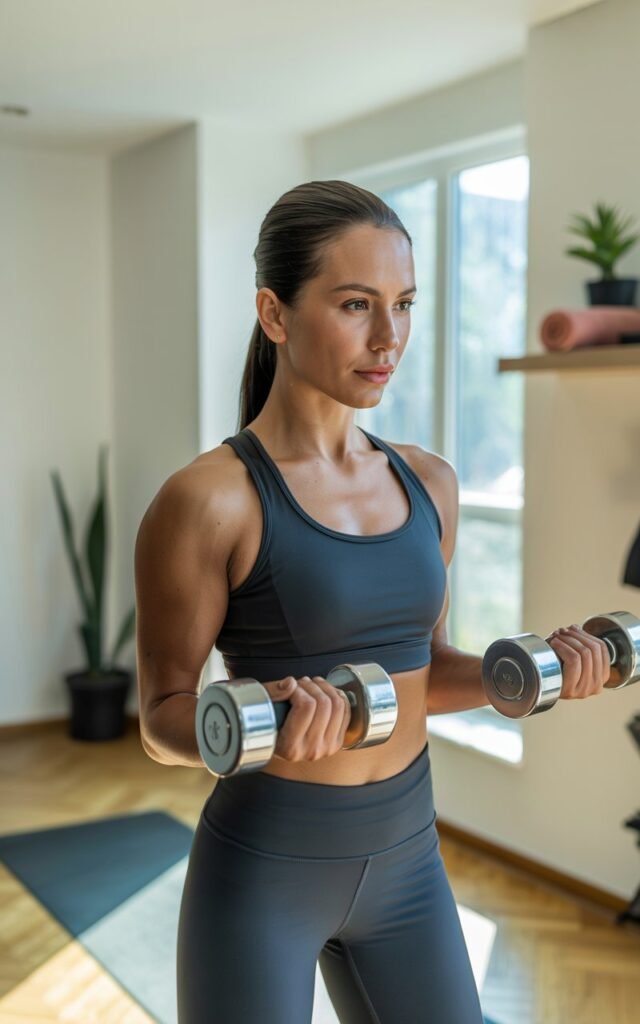
- Prioritize form over weight. Light weights with control are better than heavy weights with poor form.
- Keep your core tight to protect your back.
- Move slowly and intentionally to ensure maximum engagement.
- Take mini-breaks if necessary—quality over quantity is key.
- Gradually increase weight as you gain strength to continue challenging your muscles.
This shoulder routine only takes about 20–25 minutes, yet it hits every angle of the shoulders for a full sculpting effect.
Whether you’re at home or at the gym, it’s an efficient and effective workout that anyone can do.
Strong, sculpted shoulders aren’t just about looks—they’re about strength, posture, and functional fitness.
Give this routine a try, feel the difference, and share it with a friend.
There’s nothing better than a motivating shoulder session together.