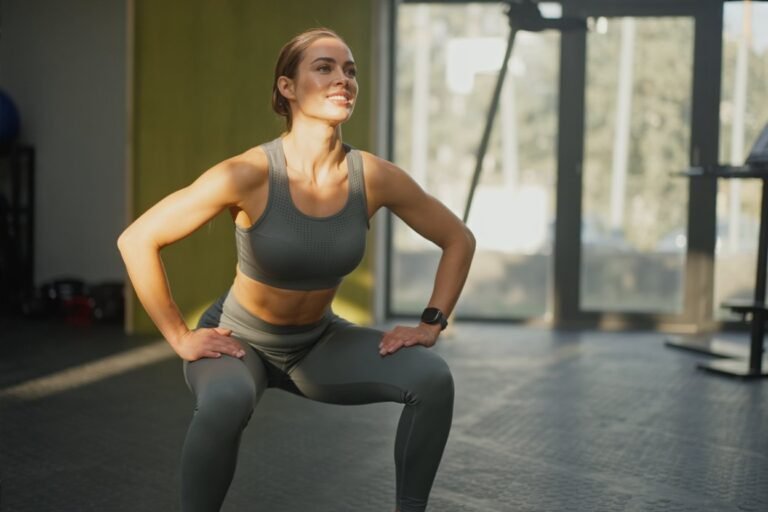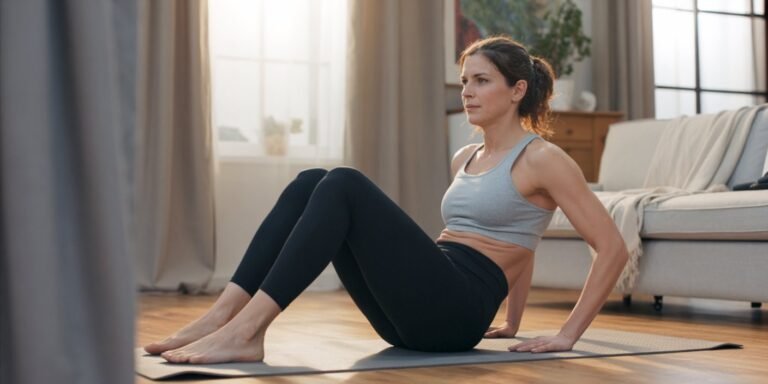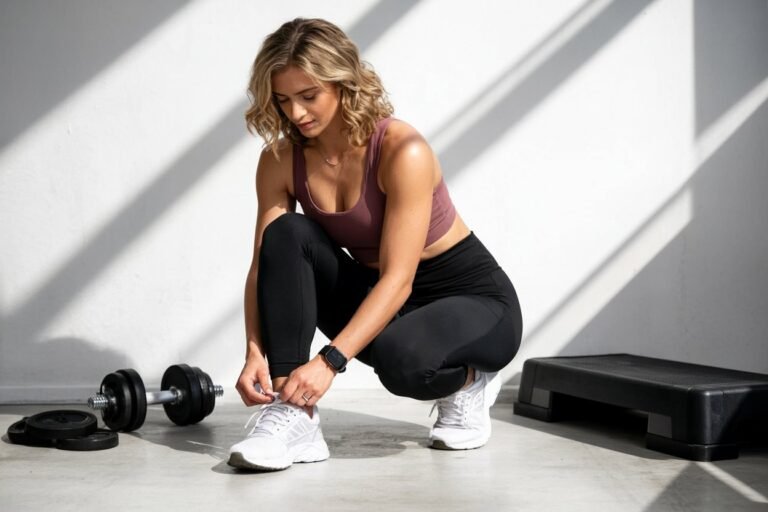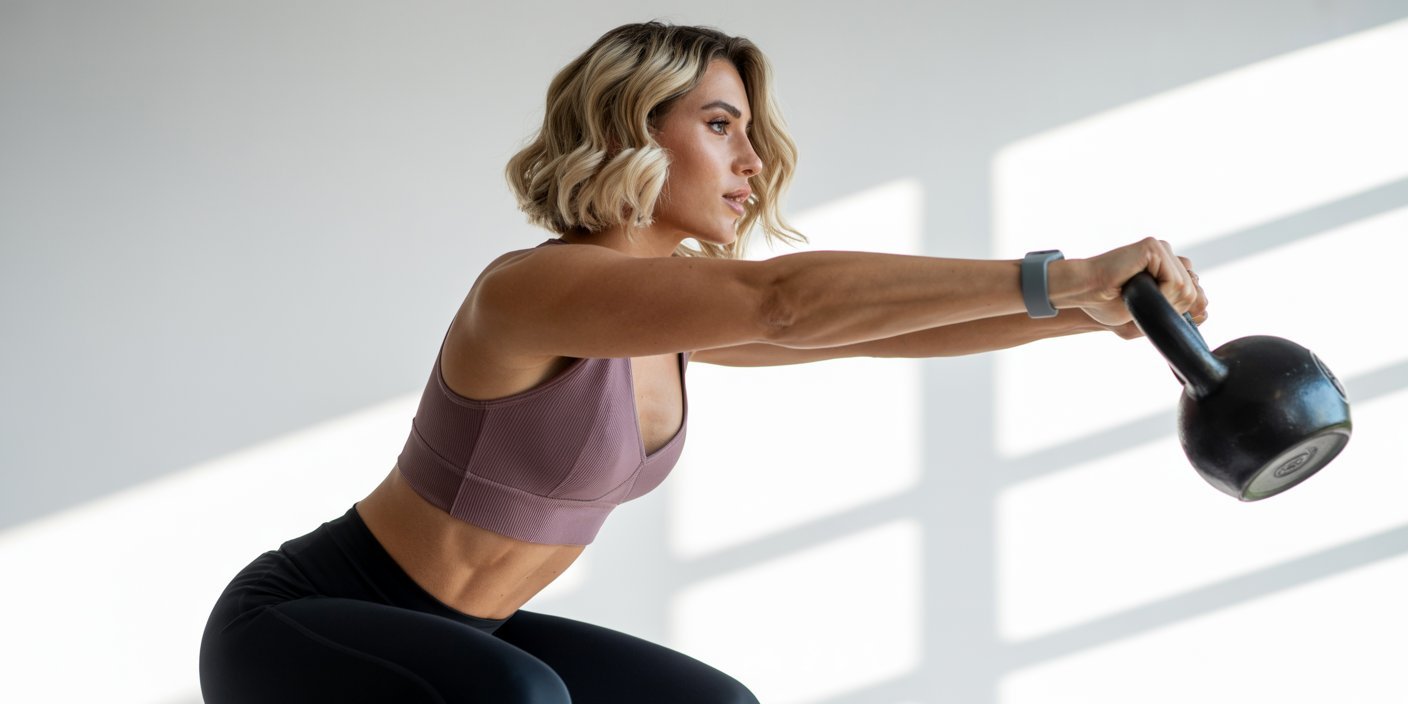
Working out has been my lifestyle for as long as I can remember. It’s never been something I “get back into” after a break.
Movement is just part of how my days are structured, right alongside cooking meals, keeping the house running, and showing up for my family.
Because fitness has always been woven into my routine, I’m constantly experimenting with different tools to challenge my body and see how effective small shifts can be.
And trust me, when you take body-focused training seriously, even without fancy equipment, changes can happen faster than most people think.
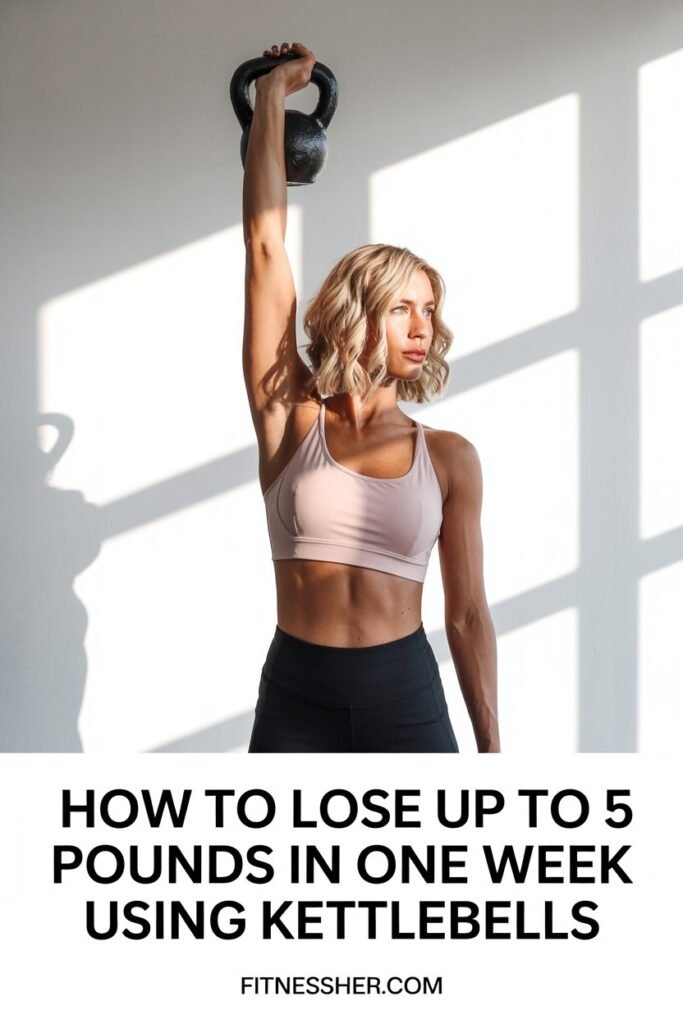
That curiosity is what pushed me to lean into kettlebells during one particular week when I felt a little too comfortable. Not lazy, not unmotivated, just settled.
My workouts were fine, my meals were fine, but nothing felt sharp anymore. I wanted that feeling of momentum back, the kind where your body responds quickly because you’ve reminded it to pay attention.
Why I Believe in Changing the Tool Before Changing the Effort

When it comes to weight loss and home workouts, I’ve learned that sometimes the tool you use makes a bigger difference than how hard you try.
You could push yourself to exhaustion with bodyweight exercises or inefficient equipment, but results often lag.
That’s why I turned to kettlebells—a simple, affordable, and versatile tool for fat-burning workouts, strength training, and full-body toning at home.
By switching to kettlebells, I was able to:
- Maximize calorie burn and fat loss with compound movements
- Engage multiple muscle groups at once for faster results
- Tone arms, legs, glutes, and core effectively
- Shorten workout time while increasing efficiency
Instead of spending more time or effort, using the right tool—like a kettlebell—transforms your home workout routine for weight loss, fat burning, and muscle toning.
It’s proof that sometimes smart equipment choices matter more than extra reps, helping you see real results without overexertion.
What a “5-Pound Week” Actually Meant in Real Life

Losing up to 5 pounds in one week with kettlebell workouts sounds dramatic on paper, but in reality, it was a mix of fat loss, water weight, and increased muscle tone.
What mattered most wasn’t just the number on the scale—it was how I felt stronger, more energized, and more confident in my body.
This short-term result showed me that home kettlebell workouts, daily fat-burning exercises, and strength training routines can deliver real, noticeable changes in body composition.
My arms, legs, glutes, and core felt tighter and more toned, and my endurance improved, which made my home weight loss journey feel achievable.
The lesson? Focusing on effective equipment like kettlebells, consistent daily home workouts, and proper form is more important than obsessing over the scale.
With the right tools and strategies for fat loss, strength, and full-body toning, a “5-pound week” can be a powerful motivator for long-term weight loss, calorie burning, and body transformation.
Related Weight Loss Guides
- 10-Day Oatmeal Diet to Shed Pounds
- How to Lose 11 Pounds in a Month (Safely & Realistically)
- 21-Day Cardio Workout Plan for Weight Loss
- How to Lose Your First 20 Pounds Fast: A Complete Fat Loss Plan
- How I Dropped Pounds and Toned Up in a Week With Bodyweight Workouts
How My Kettlebell Workouts Fit Into My Actual Days

One of the best things about kettlebell workouts for weight loss and full-body toning is how easily they fit into a busy schedule.
I don’t need hours at the gym—just 20–30 minutes at home and I’m done.
Here’s how I structure it:
- Morning Sessions: I often start with kettlebell swings, goblet squats, and Russian twists to kickstart my metabolism and burn calories throughout the day.
- Evening Sessions: Some days I use dumbbells, kettlebell presses, and rows for strength training and toning arms, shoulders, and back.
- Quick Fat-Burning Breaks: Even 5–10 minutes of jump rope or kettlebell swings between tasks helps burn calories, improve endurance, and keep energy up.
Using kettlebells, dumbbells, resistance bands, and minimal home workout equipment makes it easy to combine strength, cardio, and core exercises without taking over my day.
These short, consistent sessions help me stay on track with fat loss, build lean muscle, and maintain a daily home workout routine for weight loss.
The key? Consistency over duration—even a few minutes daily with the right tools can produce real results in weight loss, calorie burn, and body toning.
How I Ate While Still Cooking for Everyone Else

One challenge of sticking to a weight loss routine at home is meal planning when you’re cooking for your family.
I wanted to lose weight, burn fat, and stay energized for my kettlebell workouts, but I didn’t want to prepare separate meals for myself.
Here’s what worked for me:
- Prep ahead: I cooked large batches of healthy staples like grilled chicken, roasted vegetables, and quinoa that I could eat throughout the week.
- Smart swaps: While making family meals, I replaced high-calorie ingredients with low-calorie, nutrient-dense options to keep my meals weight-loss friendly and fat-burning effective.
- Portion control: I focused on balanced meals with protein, fiber, and healthy fats to stay full and energized during home kettlebell workouts, resistance band sessions, and cardio exercises.
- Healthy snacks: I kept fruit, nuts, and Greek yogurt handy for quick energy before or after workouts.
By planning smartly, I could stick to my home weight-loss plan, burn calories, and tone my body with kettlebells while still cooking for the whole family.
It’s proof that effective fat-burning and muscle-toning routines don’t require sacrificing your lifestyle or family meals.
The Unexpected Role My Home Routine Played

What surprised me most during this week of kettlebell workouts and home fat-burning exercises was how much my daily routine shaped my mindset, energy, and motivation.
It wasn’t just about losing pounds or toning muscles—my home workout routine became a foundation for healthy habits, consistency, and confidence.
I noticed that:
- Short daily kettlebell sessions and resistance band exercises gave me bursts of energy that carried through the day.
- Sticking to home fat-burning workouts reinforced a sense of discipline and accomplishment, even when life got busy.
- Combining strength, cardio, and core workouts at home made me more mindful of what I ate, helping me support fat loss and weight management naturally.
This showed me that affordable home workout equipment like kettlebells, jump ropes, dumbbells, and resistance bands doesn’t just build muscles, tone arms and legs, or burn belly fat—it also builds consistency, confidence, and sustainable lifestyle habits.
In short, the unexpected role of my home routine was teaching me that fitness, fat-burning, and weight loss aren’t just physical—they’re mental and lifestyle transformations too.
How My Body Felt by the End of the Week

After just one week of daily kettlebell workouts, resistance band exercises, and home fat-burning routines, my body felt noticeably different.
It wasn’t just about losing pounds—it was about strength, energy, and muscle tone.
Here’s what I noticed:
- Arms and shoulders felt firmer and more toned from kettlebell presses and resistance band curls.
- Legs and glutes were stronger and more defined thanks to goblet squats, kettlebell swings, and mini stepper sessions.
- My core and abs felt engaged and tighter after Russian twists and stability ball exercises.
- Overall, I had more energy, improved endurance, and less fatigue throughout the day.
Even short home workouts with kettlebells, dumbbells, or jump ropes can deliver real, full-body results.
This week showed me that consistent, strategic fat-burning and strength training at home improves muscle tone, calorie burn, and overall body confidence—all without stepping foot in a gym.
Why I Don’t Chase Extreme Results Anymore

After trying countless intense workouts and extreme diets, I realized that chasing quick, dramatic results often leads to burnout, frustration, and unsustainable routines.
That’s why I shifted to smart, home-based workouts with kettlebells, resistance bands, and other affordable equipment for fat loss, muscle toning, and full-body fitness.
Here’s what I learned:
- Consistency beats intensity: Even 20–30 minutes of daily home workouts, fat-burning routines, and kettlebell exercises produces real results over time.
- Sustainable routines matter: Using simple, portable, and beginner-friendly equipment allows me to maintain progress without feeling overwhelmed.
- Balance is key: Combining strength training, cardio, and core exercises at home keeps workouts effective while supporting overall wellness.
- Results are holistic: Instead of obsessing over pounds lost, I focus on muscle tone, calorie burn, endurance, and overall health.
By letting go of extreme goals and focusing on affordable, effective home workouts for weight loss and body toning, I stay motivated, avoid burnout, and enjoy long-term, sustainable results.
Final Thoughts
Using kettlebells and other affordable home workout equipment like resistance bands, dumbbells, jump ropes, mini steppers, and stability balls can completely transform your weight loss journey, fat-burning routines, and full-body toning—all from the comfort of home.
The key is consistency, proper form, and smart use of tools.
Even short daily kettlebell workouts, resistance band exercises, and home cardio routines can help you burn calories, tone arms, legs, and core, reduce belly fat, and build strength.
I’ve learned that you don’t need extreme diets or hours at the gym.
By sticking with affordable, beginner-friendly home workouts for weight loss, fat burning, and muscle toning, you can achieve real, sustainable results.
Start small, stay consistent, and focus on daily movement, strength training, and fat-burning exercises.
Over time, your body will feel stronger, leaner, and more energized, proving that home workouts with the right equipment really work.