Protein has honestly been one of the biggest game changers for us when it comes to weight loss and body recomposition.
Over the years, through my own experience and what I’ve seen work for my family and friends, I’ve learned that protein isn’t just about building muscle.
It plays a huge role in fat burning, appetite control, and feeling satisfied enough to stay consistent.
When we started focusing on protein first, everything else became easier.
Cravings reduced, meals felt more filling, and weight loss felt more sustainable instead of like a constant struggle.
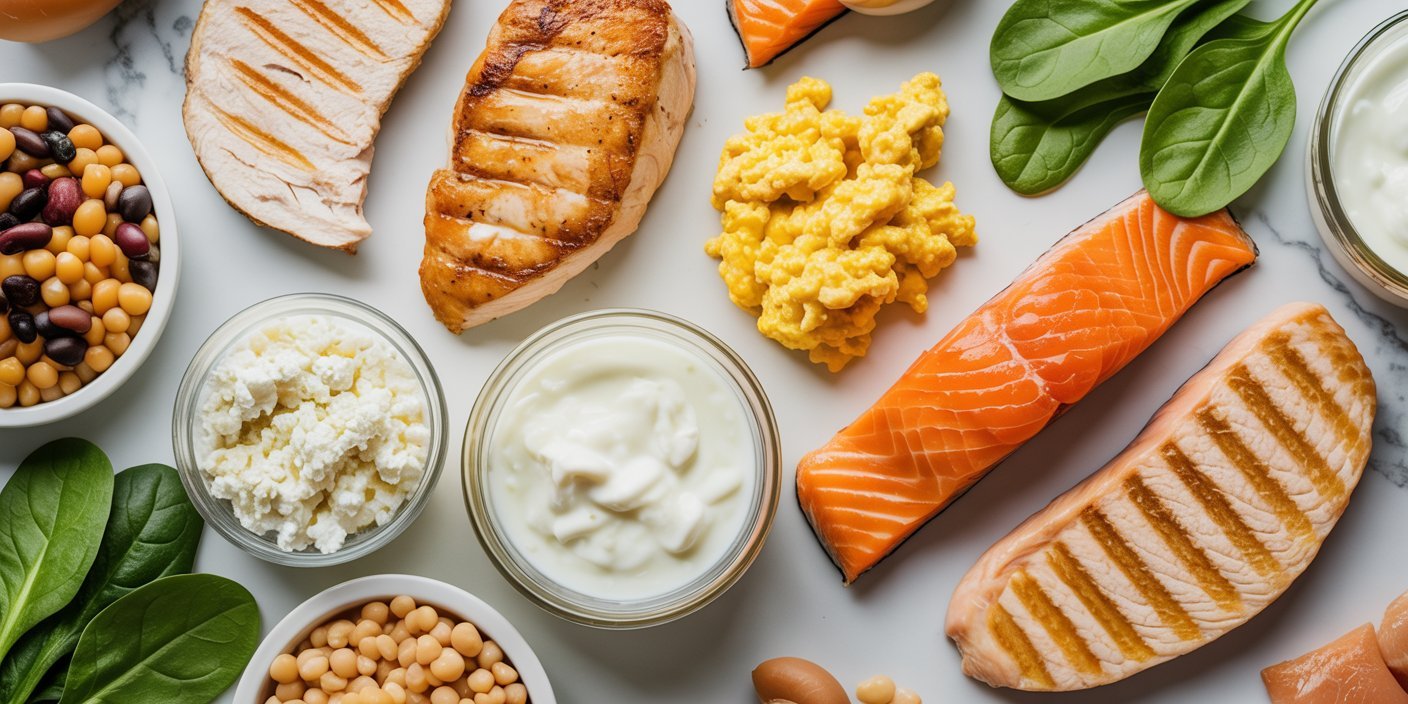
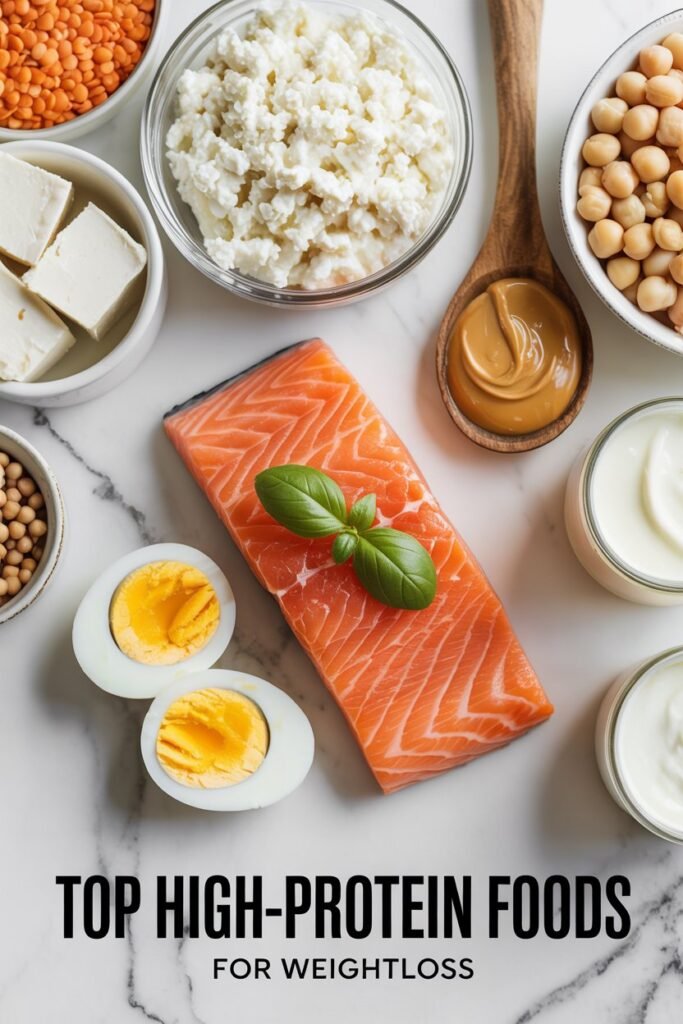
In this post, I’m breaking down the best high-protein foods we regularly use, why they work so well, and how we actually include them in real life.
This is not about perfection or extreme dieting. It’s about choosing foods that support our goals while still being realistic for everyday life.
Why Protein Matters So Much for Weight Loss
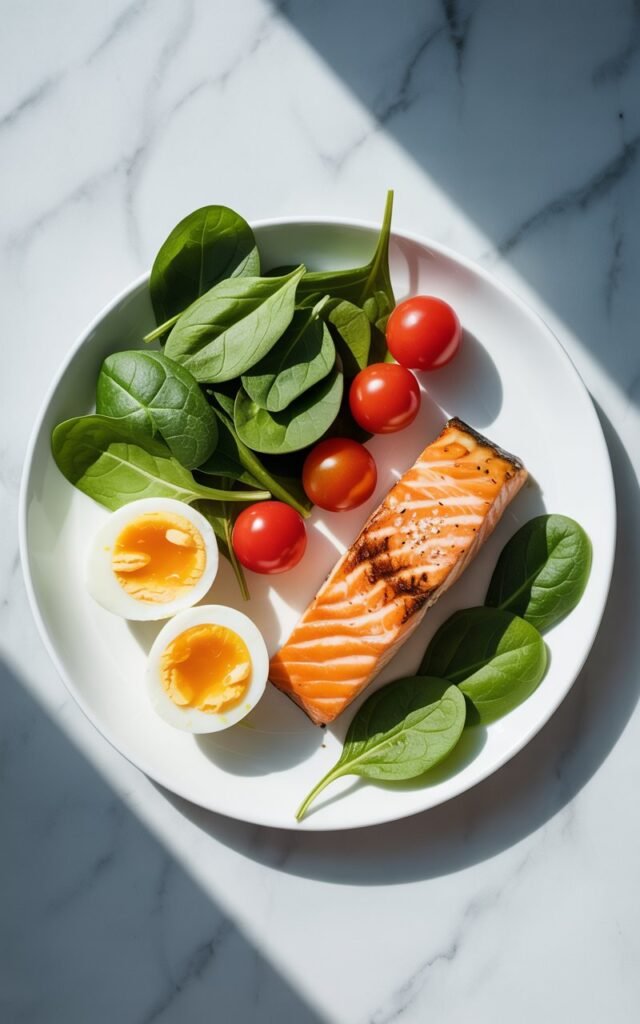
Protein supports weight loss and body recomposition in several important ways.
It helps preserve lean muscle mass while losing fat, increases satiety so we naturally eat less, and requires more energy for the body to digest compared to carbs and fats.
That means we burn slightly more calories just processing it.
Another key factor is protein quality. Some protein sources are more easily absorbed and used by the body. This is often measured using a DIAAS score.
As a general rule, proteins with a DIAAS score of one or higher are considered high quality and fully absorbed.
Most animal-based proteins fall into this category, while plant-based proteins vary.
Eggs: Simple, Affordable, and Fillin

Eggs are one of those foods we always come back to.
One egg only contains about six grams of protein, so on its own it’s not extremely high.
But when we eat multiple eggs together, they quickly add up.
What makes eggs especially helpful for weight loss is the combination of protein and fat.
That pairing helps us feel full for longer.
We usually eat around three eggs at a time and often add a little cheese to boost the protein even more.
There’s also research showing that eating eggs for breakfast leads to greater fullness compared to breakfasts like cereal.
Eggs are affordable, easy to prepare, and incredibly versatile, which makes them realistic for busy days.
You may also like: Why Losing Weight After 40 Feels Harder and What You Can Do About It
Salmon: Protein Plus Anti-Inflammatory Benefits
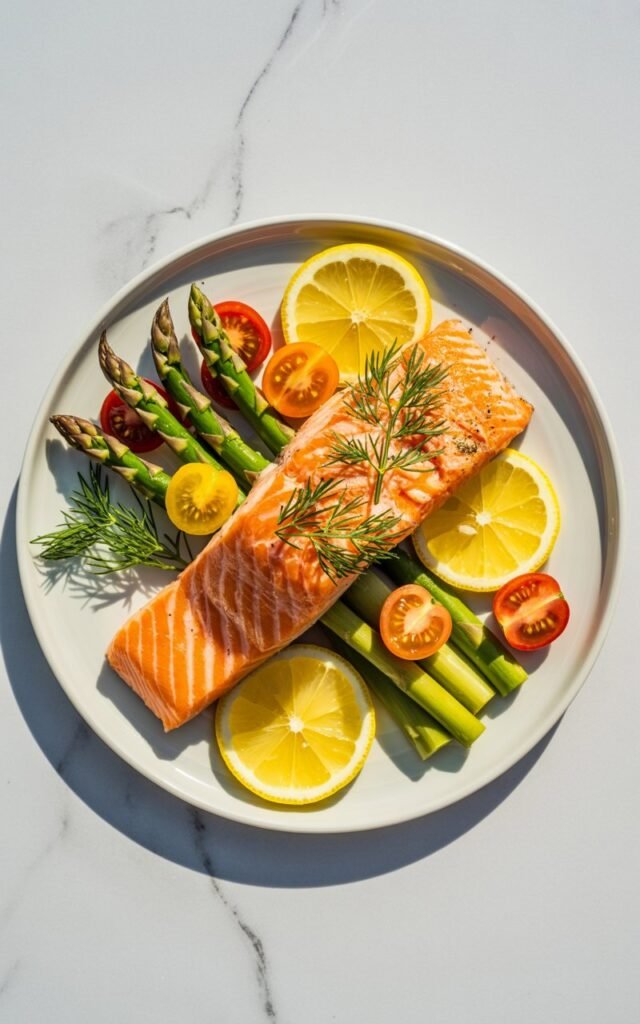
Salmon wasn’t always a favorite in our house.
I actually had to learn how to enjoy it by experimenting with different cooking methods.
Now it’s something we genuinely appreciate having in the freezer.
Three ounces of cooked salmon provides about 22 grams of protein and is rich in omega-3 fatty acids,
which help reduce inflammation.
Salmon is also a high-quality protein that the body absorbs efficiently.
One unique benefit of salmon is its selenium content.
Selenium plays an important role in phase two liver detoxification, which supports overall metabolic health.
With salmon, we’re getting protein, healthy fats, and micronutrients all in one meal.
You may also like: How to Lose Weight at Home with Dumbbells
Whey Protein: Convenient and Highly Absorbabl
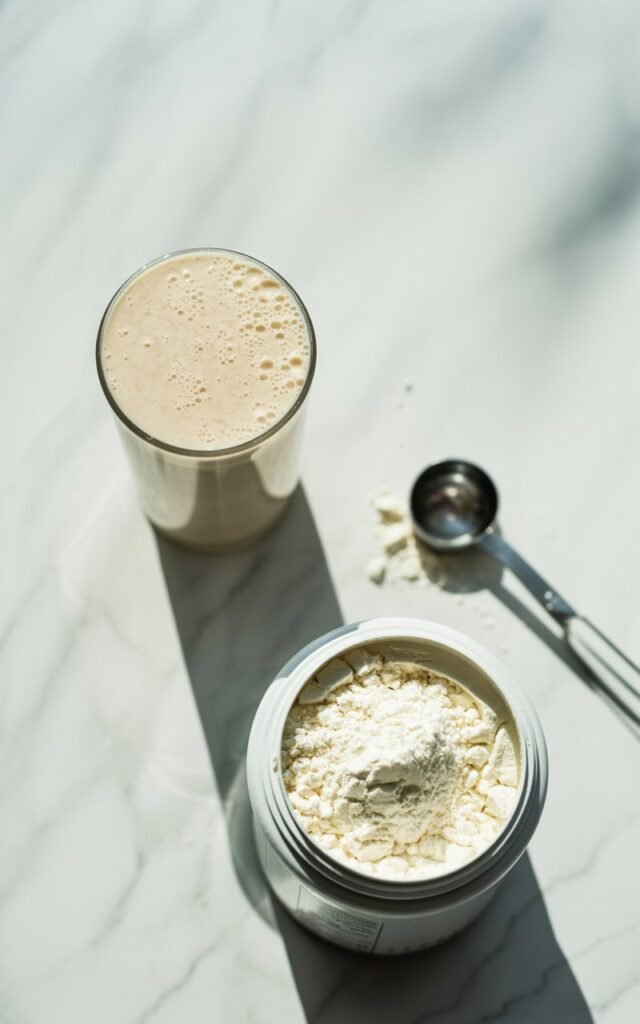
For a long time, whey protein was seen as something only athletes used.
In reality, it can be incredibly helpful for anyone working toward weight loss or improved body composition.
Whey protein is one of the highest quality protein sources available, with an absorption score even higher than many whole foods.
It’s also rich in cysteine, an amino acid needed for phase two liver detoxification.
We find whey protein especially useful on busy days when preparing a full meal isn’t realistic.
It helps us hit protein targets without relying on added sugars or highly processed foods.
Beef: Versatile and Budget Friendly
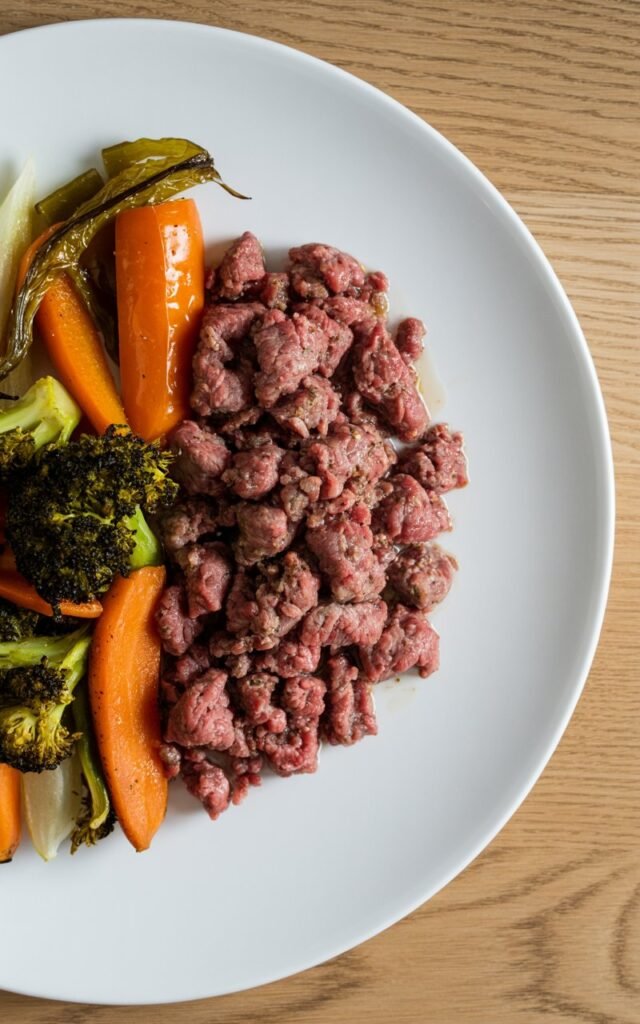
Beef is another protein we rely on regularly, especially ground beef.
It’s affordable, versatile, and easy to use in a variety of meals.
Three ounces of cooked beef contains around 22 grams of protein.
We usually choose an 85/15 option because the slightly higher fat content helps with satiety.
That balance of protein and fat keeps us full longer.
We use ground beef in tacos, zucchini bolognese, and even zucchini lasagna.
It’s one of those proteins that works across multiple meals without feeling repetitive.
You may also like: Slow Cooker Meals That Will Give You a Flat Stomach
Chicken and Poultry: Lean and Protein-Dense
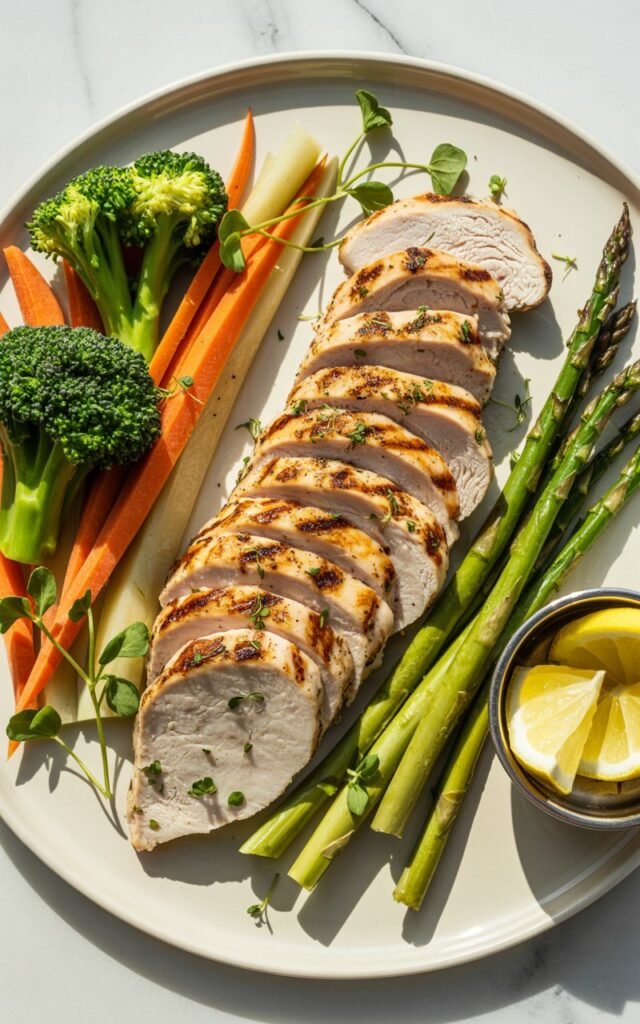
Chicken is one of the most common protein sources, and for good reason.
It’s lean, high in protein, and easy to prepare in bulk.
About three ounces of cooked chicken breast contains roughly 27 to 28 grams of protein.
Because chicken is lower in fat, we often cook it with olive oil or butter or pair it with avocado to improve satiety.
This small adjustment makes a big difference in preventing cravings later in the day.
Full-Fat Greek Yogurt: Satisfying and Cost-Effective
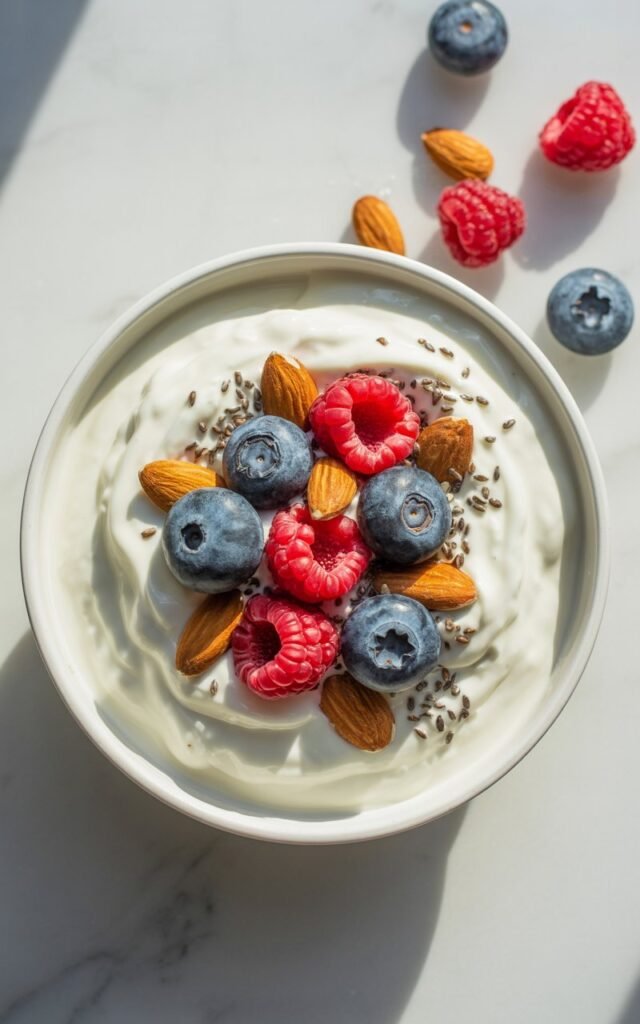
Greek yogurt is a staple in our household.
We even make our own because it saves a significant amount of money over time and requires very little effort.
There’s been a lot of research showing that full-fat dairy may actually be protective against obesity.
The combination of fat and protein helps keep us satisfied and reduces the urge to snack on foods that don’t support our goals.
One cup of Greek yogurt provides about 20 grams of protein.
We use it in smoothies, yogurt bowls, and even mixed into chia pudding to boost protein intake.
You may also like: 10 ways to get slim in just one month.
Fermented Soy and Tempeh: Best Plant-Based Option
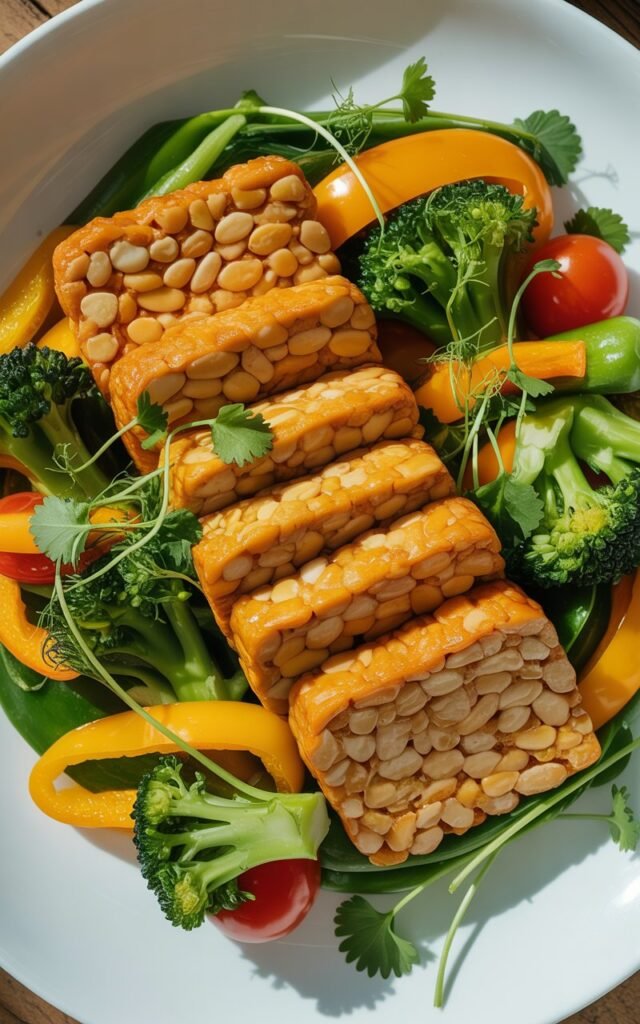
For plant-based proteins, fermented soy products stand out. Fermentation helps reduce anti-nutrients and improves digestibility.
Tempeh is one of the highest quality plant-based protein sources available, with a protein absorption score close to one.
While it’s still slightly lower than animal proteins, it’s one of the best options for those limiting meat intake.
We use tempeh similarly to ground meat, adding it to tacos or stir-fries for variety.
Pork: An Often Overlooked Protein
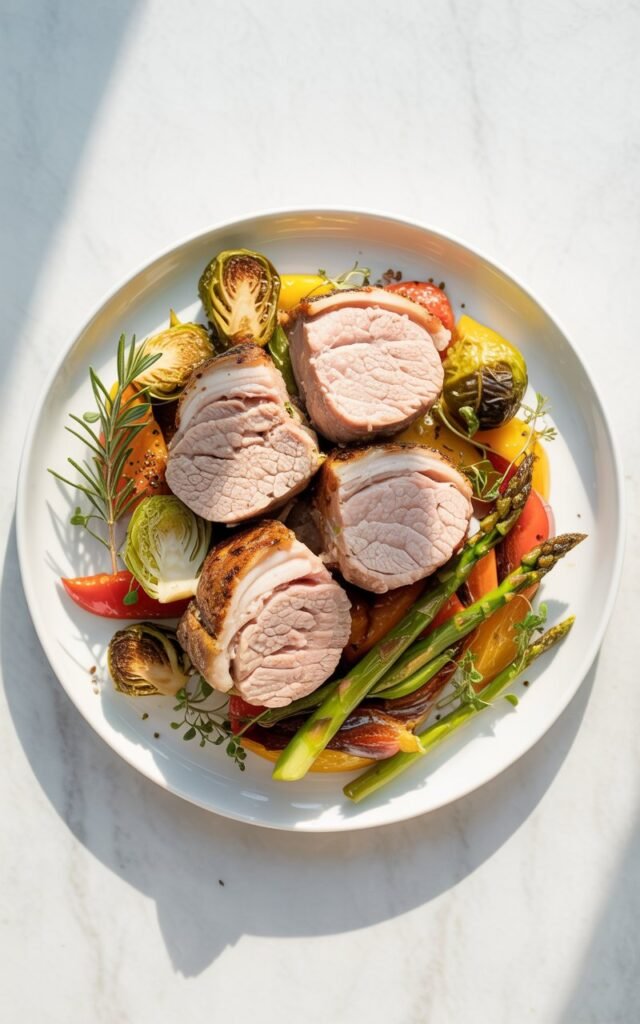
Pork isn’t something we grew up eating regularly, but it’s actually a high-quality protein source.
Like most animal proteins, it has a high absorption score.
A common cut like pork tenderloin provides about 24 grams of protein per three ounces cooked.
It’s lean, filling, and easy to incorporate into balanced meals.
Cottage Cheese: High Protein with Zero Prep
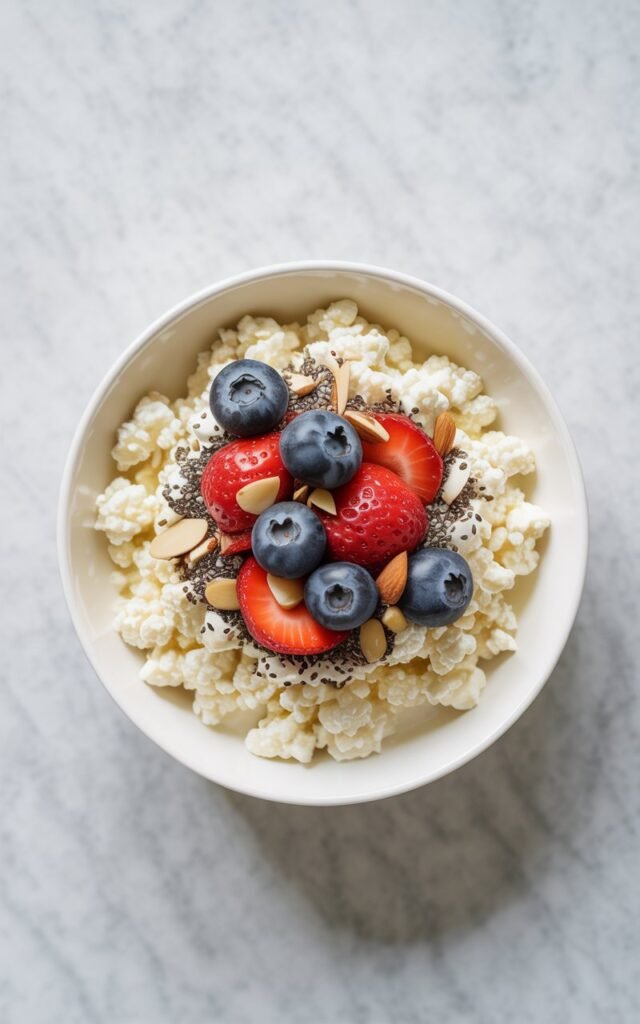
Cottage cheese is one of my personal favorites, even though not everyone in my family agrees.
One cup contains between 24 and 28 grams of protein, which is impressive for something that requires no cooking.
It’s a full-fat dairy product, so it offers similar satiety benefits as Greek yogurt.
We always check labels to avoid added sugars.
Sweet bowls with warmed blueberries and peanut butter are a favorite, but savory versions with cucumber, tomatoes, and black pepper are just as good.
It’s one of the easiest high-protein options for busy days.
Anchovies and Sardines: Small Fish, Big Benefits
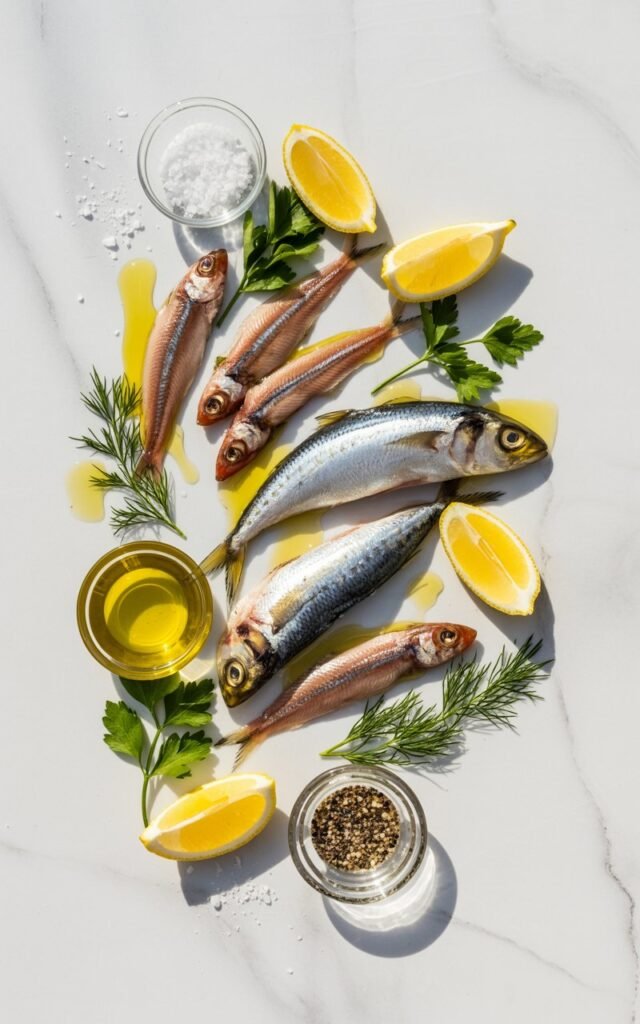
Anchovies and sardines may not be popular with everyone, but they’re incredibly nutrient-dense.
These fatty fish are rich in omega-3 fatty acids and provide high-quality protein.
Research has shown that fish oil can help reduce abdominal fat, particularly belly fat.
That makes these fish especially helpful for body recomposition goals.
They’re shelf-stable, affordable, and packed with nutrients, making them worth considering if you enjoy the taste.
How Much Protein Do We Actually Need?
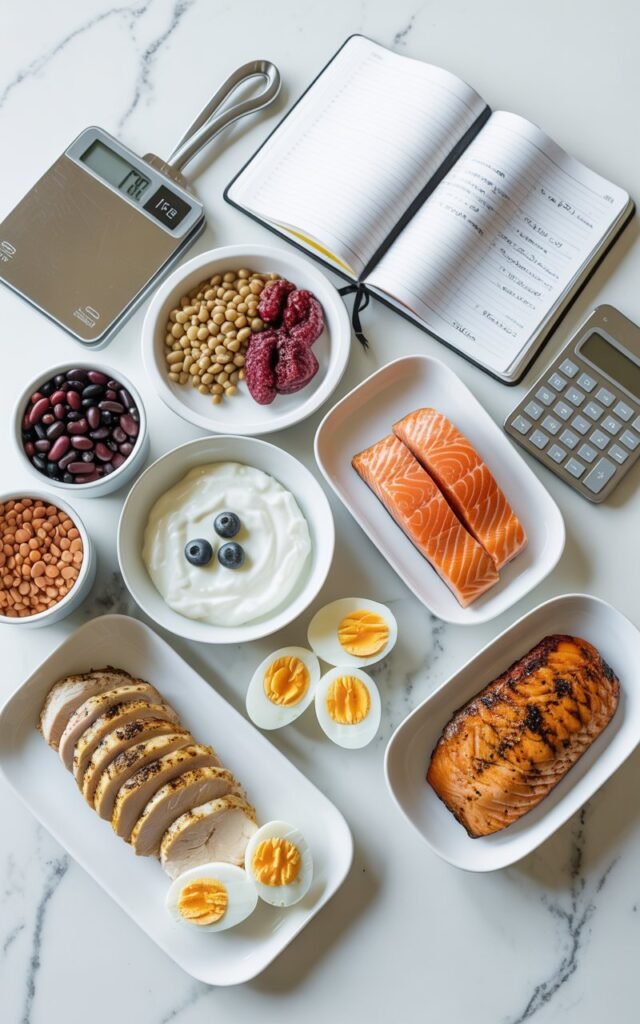
All of these protein sources are effective, but the real key is knowing how much protein you personally need each day.
Protein needs vary based on body weight, activity level, and goals.
When we started tracking our intake and aiming for consistent daily protein, that’s when we saw the biggest changes.
It removed the guesswork and made our meals feel intentional instead of random.
Final Thoughts
Protein has been one of the most reliable tools for supporting weight loss and long-term health for us.
By choosing high-quality protein sources and spreading them throughout the day, we’ve been able to feel more satisfied, reduce cravings, and stay consistent without extreme restriction.