As a woman over 50, what I eat truly makes or breaks my results. It has taken me years of trial, error, and fine-tuning to figure out a way of eating that keeps me strong, lean, and energized.
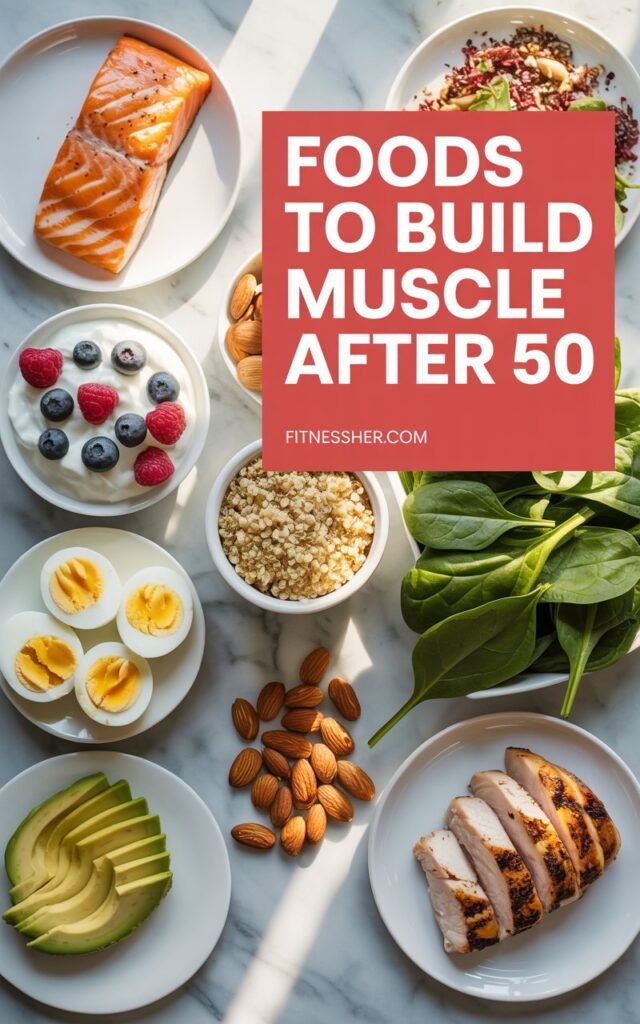
And now, I’m sharing exactly what I’ve learned. If you’ve been struggling to lose body fat, build muscle, or maintain your energy throughout the day, this guide is for you.
Disclaimer: This post contains affiliate links. If you make a purchase through these links, we may earn a small commission at no extra cost to you.
Amazon Shopping List: Food To Build Muscles For Women Over 50
- Organic Whey Protein Powder
Helps increase daily protein intake to support muscle repair and strength after workouts.
BUY NOW ON AMAZON - Chia Seeds (Organic)
Packed with plant protein, fiber, and healthy fats that support muscle recovery and energy.
BUY NOW ON AMAZON - Natural Almond Butter
A healthy source of protein and good fats that help support muscle growth and sustained energy.
BUY NOW ON AMAZON - Organic Quinoa
A complete plant protein that helps support muscle repair and provides energy for workouts.
BUY NOW ON AMAZON - Greek Yogurt Protein Snack Cups
High-protein dairy snack that helps support muscle maintenance and bone health for women over 50.
BUY NOW ON AMAZON
Why Breakfast Matters More Than You Think

Let’s start with the first meal of the day. Somehow breakfast became one of the most controversial topics in wellness.
Intermittent fasting, skipping breakfast, grabbing a quick sugary latte—there are endless approaches.
But in my experience, and according to recent research, skipping breakfast is something women over 50 should avoid.
A new study found that people who skip breakfast—or who choose a high-carb breakfast like a muffin and a latte—are at a significantly higher risk of obesity than those who start the day with a high-protein meal.
In other words, eating no breakfast is worse for your metabolism than eating a high-protein one.
Why is that?
First, protein creates satiety. It helps you feel fuller for longer, reduces cravings, and keeps blood sugar stable.

There’s also something called the first-meal effect: what you eat first sets your metabolic tone for the rest of the day.
A high-protein breakfast paired with healthy fats and a little slow, low-carb fiber creates the perfect combination.
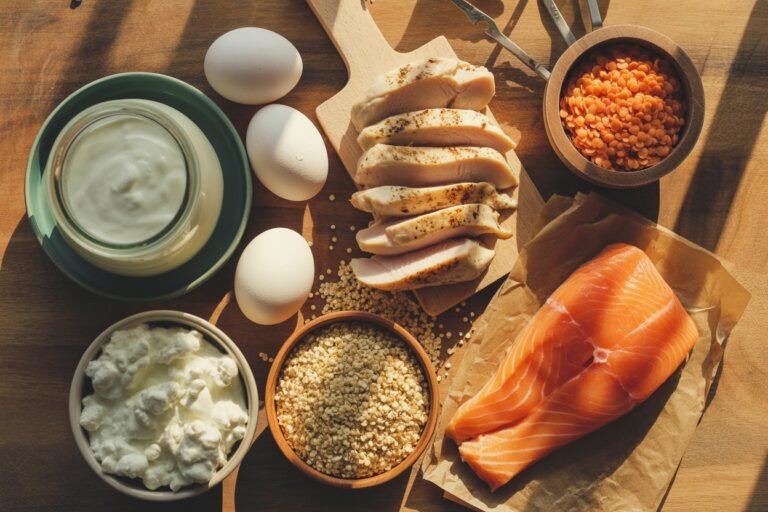
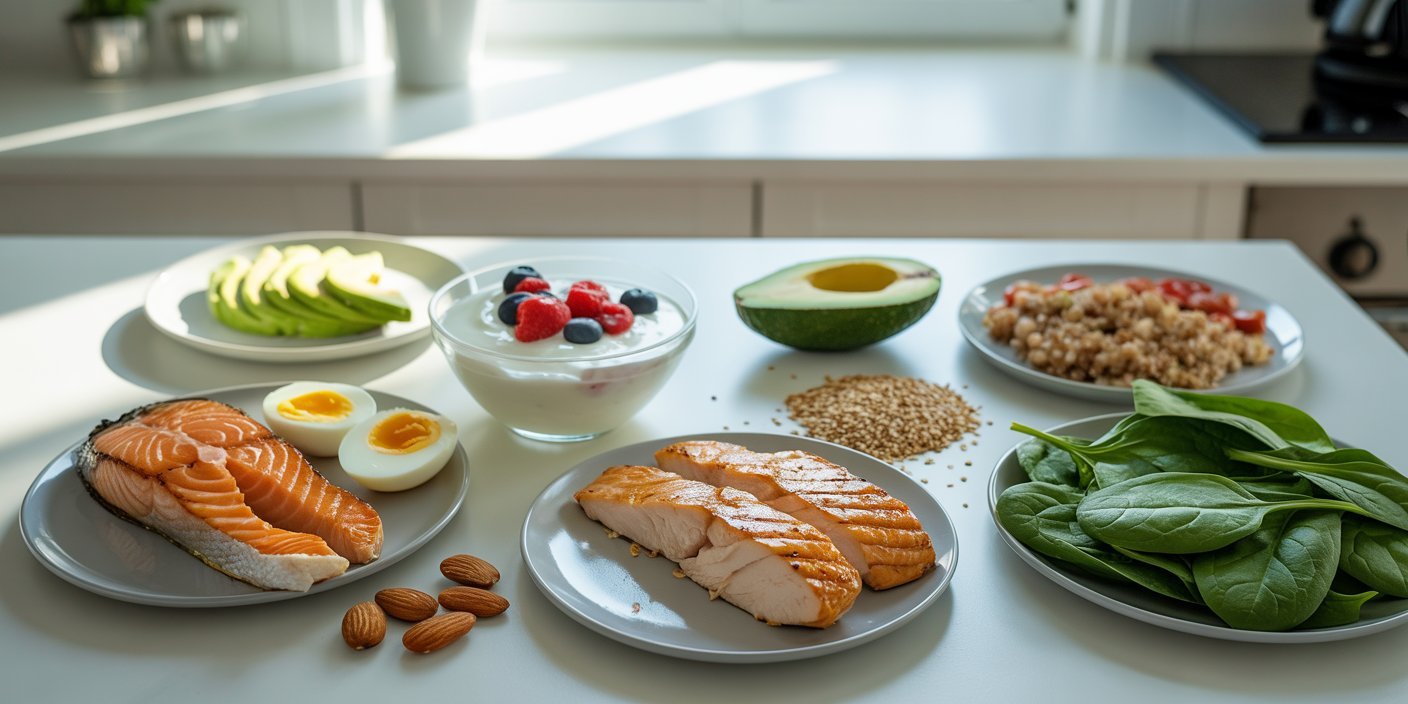
For example, Greek-style yogurt mixed with bone broth protein powder, freshly ground flaxseed, and a handful of berries gives you protein, fat, and fiber—the satiety trifecta.
This keeps your blood sugar steady without spikes or crashes and sets you up to make better choices at your next meal.
This also aligns with your natural circadian rhythm. When you wake up, get morning sunlight, and give your body time to fully come online—your melatonin drops, cortisol rises, and your pancreas prepares to secrete insulin.
Eating breakfast one to two hours after waking fits perfectly with this rhythm.
How Timing Your Calories Helps

Once you’ve had a nourishing breakfast, the next step is eating most of your calories while it’s still light out, during the most active part of your day. This structure supports metabolism, hormone balance, and energy.
So the first rule is simple: eat breakfast, make it high in protein, and do not skip it.
What to Do Between Breakfast and Lunch
Between breakfast and your midday meal, two things matter most: hydration and movement. Drinking plenty of water—ideally with electrolytes—and getting in a workout supports digestion, muscle maintenance, and blood sugar regulation.
Building a Protein-Focused Day

When I look at my daily macronutrients, my priority is always protein. In the morning, I aim for 30 to 40 grams of protein to stop the overnight fast and move from being catabolic (breaking down) to anabolic (building up).
For women over 50, or anyone following a plant-based diet, the upper end of that range is ideal because the body needs essential amino acids to support muscle and metabolism.
Overall, I recommend a minimum of 100 grams of protein a day, though somewhere between 0.7 to 1 gram per pound of target bodyweight is even better.
Divide this across your meals, but remember that your morning intake is the foundation.
Creating a Satisfying Midday Meal

For lunch, I again focus on protein first, then non-starchy vegetables, slow carbs, and healthy fats.
My biggest personal hack is using leftovers. Since I don’t love cooking, I make extra protein at dinner so it’s ready for lunch the next day.
If we have grilled chicken thighs for dinner, I cook more than we need. The next day, lunch becomes easy—a big arugula salad with radishes, cherry tomatoes, and green onions topped with leftover protein.
Or I reheat leftover cauliflower pilaf and mix in protein for a quick bowl. Sometimes I make an effortless soup by combining bone broth, leftover vegetables, and leftover meat.
If I don’t have leftover protein, I reach for high-quality canned options like tuna or ventresca salmon.
Lunch is always built around protein, plenty of vegetables, a drizzle of extra virgin olive oil or sliced avocado, and sometimes a serving of berries—especially on workout days to replenish glycogen.
Eating Dinner the Right Way for Better Sleep and Digestion

Dinner should be your lightest meal. The classic guideline holds true: eat breakfast like a king, lunch like a prince, and dinner like a pauper.
Eating late is a no-go because your pancreas slows down before bed, which affects insulin response, disrupts sleep, and elevates morning blood sugar.
Ideally, finish dinner at least two hours before bed—three to four hours is even better. A gentle walk after dinner improves digestion and supports better sleep.
This schedule makes achieving a 12- to 14-hour overnight fast surprisingly easy. Eat breakfast two hours after waking, eat dinner several hours before bed, and the fast naturally falls into place.
If you feel hungry before bed, a glass of water works remarkably well. One study showed that water eliminated hunger pangs in 100 percent of participants.
For me, dinners look similar to lunch, just slightly smaller with a bit of slow-burning carbs to support sleep. Lentils, legumes, beets, or berries work well.
Making Healthy Eating Simple

To keep things easy, I stock my kitchen intentionally. My husband usually prepares the protein—wild salmon,
Chilean sea bass, pastured chicken thighs, or grass-fed beef. If we’re in a rush, we make lean grass-fed burgers and cook extra for the following day.
In the freezer, I keep organic cauliflower, broccoli rice, and a variety of vegetables. In the fridge, I keep fresh broccoli, green beans, mushrooms, onions, and Brussels sprouts.
We also stock legumes, wild rice, and low-carb pasta alternatives like shirataki noodles.
Fresh and frozen berries are always on hand. With these staples, dinner prep stays simple.
After dinner, I shut down the kitchen. If I want something sweet, I make an herbal tea with dessert-like flavors such as chocolate cream.
I first discovered these teas at a spa in California, and they have become one of my favorite nighttime rituals.
Coffee and Wine: What Really Helps and What Hurts

I’ve often joked that my favorite food groups are coffee and wine. But over time, I’ve had to be intentional about both.
Coffee
I’m a fast caffeine metabolizer, so I stop drinking coffee at noon. You may need to stop much earlier—some people need to cut it off at 9 a.m.
If you’re not sure how your body handles caffeine, stop earlier and track your sleep using an Oura Ring or similar device.
Wine
In a perfect world, wine is best enjoyed at lunch or in the afternoon, not at night. Most of us don’t do that, so if you drink wine with dinner, the key is to avoid drinking it before bed.
Wine too close to bedtime disrupts sleep and shortens your fasting window.
Dry Farm Wines, which have lower alcohol, can lessen the impact. But the truth is, wine’s health benefits are easy to overstate.
For example, you’d need bottles of wine to get meaningful amounts of resveratrol.
These days, I drink much less—one or two glasses a month instead of one or two a day—because the difference in my sleep was dramatic.
If you want to know how wine affects you, remove it entirely for at least a week (longer is better), reset your system, and then track how your body responds when you add it back in.
Extra Tips for Women Over 50
- Prioritize Protein at Every Meal: Aim for at least 20–30 grams of protein per meal to support muscle repair and growth.
- Strength Training is Essential: Pair your nutrition with resistance exercises 2–4 times per week.
- Don’t Skip Recovery: Rest days and adequate sleep are when your muscles actually repair and grow.
- Stay Hydrated: Older adults can get dehydrated faster, so keep water and electrolyte-rich foods on hand.
- Track Your Progress: Keep a simple log of meals, workouts, and how your body feels—it keeps you motivated and accountable.
- Be Patient and Consistent: Muscle building takes time, especially after 50, but the results are long-lasting and worth it.
- Consult a Professional: If you’re new to strength training or have medical conditions, check with a doctor or nutritionist for a safe, personalized plan.
Conclusion
Building and maintaining muscle after 50 doesn’t have to feel complicated or overwhelming.
The key is to focus on nutrient-dense foods that fuel your muscles, support bone health, and give your body the energy it needs to stay strong.
Incorporating lean protein, plant-based protein, healthy fats, complex carbs, and calcium-rich foods into your daily meals, along with proper hydration, creates the foundation for strength and vitality.
What I’ve learned is that muscle building isn’t just about lifting weights—it’s also about giving your body the right fuel consistently.
When you combine smart nutrition with strength training and movement, you’ll notice improvements not just in your muscle tone, but also in your energy, confidence, and overall health.
Remember, it’s about progress, not perfection. Start with small changes, stay consistent, and celebrate every step forward—your muscles (and your body) will thank you.