I didn’t start this week looking for a dramatic weight loss transformation—I just wanted to feel better in my body again.
After a few days of low energy, inconsistent workouts, and too much sitting, I knew I needed a simple reset.
Nothing extreme, just something that could actually help me lose weight at home, reduce bloating, and tone up using bodyweight workouts.
So I kept it realistic. I committed to short daily home workouts, beginner-friendly bodyweight exercises, and cleaner eating habits—focusing on consistency instead of perfection.
No gym, no equipment, just a routine I could stick to.
By the end of the week, the difference was noticeable. I felt lighter, more energized, and my body looked more toned and defined.
It wasn’t a quick fix—it was the result of consistent workouts, simple fat loss habits, and a routine that actually works for real life.
Why Bodyweight Workouts Are So Powerful

One thing I quickly realized is that bodyweight workouts are incredibly effective for weight loss, fat burning, and toning at home, even without a gym.
Using your own body weight as resistance helps you build lean muscle, burn calories, and lose belly fat at the same time.
What makes them so powerful is how simple, beginner-friendly, and accessible they are.
You can do these home workouts without equipment, anywhere, which makes it easier to stay consistent—a key factor for sustainable weight loss and full-body toning.
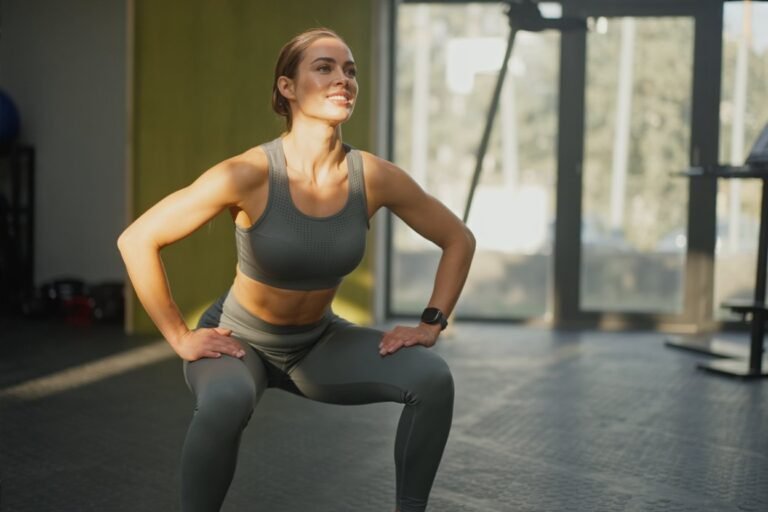
Exercises like squats, push-ups, and planks target multiple muscle groups, helping you tone your abs, legs, arms, and core while boosting metabolism and improving endurance.
For me, it wasn’t just about convenience—it was about finding a fat loss workout routine at home that actually fits into real life and delivers results.
My One-Week Bodyweight Reset

A week ago, I decided to do a mini reset. My goal wasn’t perfection—it was consistency and mindful effort. Here’s how I structured my daily routine:
- Morning Warm-Up (5–10 minutes) – Jumping jacks, high knees, arm circles, or a quick dance around the kitchen to get the blood flowing. I often did this while the coffee brewed, and sometimes my kids joined in just for fun.
- Upper Body Focus (10 minutes) – Push-ups, tricep dips on a chair, and shoulder taps. I start with modified push-ups if needed and gradually increase reps as I gain strength.
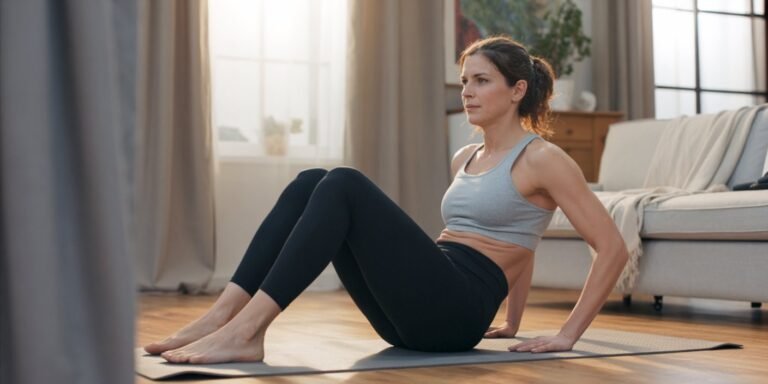
- Core & Stability (10 minutes) – Planks, side planks, bicycle crunches, and leg raises. Sometimes I balance on one foot for extra challenge while folding laundry or prepping lunch.
- Lower Body Focus (10 minutes) – Squats, lunges, glute bridges, and calf raises. I add a pause at the bottom of squats to feel the burn in my glutes and thighs.
- Cool-Down & Stretching (5–10 minutes) – Deep stretches for hamstrings, hips, shoulders, and spine. Often, this is also a quiet moment where I breathe deeply and mentally prep for the day.
Each session lasted about 30–45 minutes, which is doable even on the busiest mornings. The key was to stay consistent, even if I modified intensity.
Related Weight Loss Guides
- 10-Day Oatmeal Diet to Shed Pounds
- How to Lose 11 Pounds in a Month (Safely & Realistically)
- 21-Day Cardio Workout Plan for Weight Loss
- How to Lose Your First 20 Pounds Fast: A Complete Fat Loss Plan
- How to Lose Up to 5 Pounds in One Week Using Kettlebells
Making Workouts Part of Daily Life

I realized that the key to real results wasn’t doing extreme workouts—it was making exercise, home workouts, and bodyweight exercises a normal part of my daily routine.
Instead of waiting for the “perfect time,” I fit in short daily fitness routines, beginner-friendly workouts, and fat-burning exercises at home whenever I could.
This simple change helped me stay consistent with my at-home workout plan for weight loss, fat burning, belly fat reduction, and full-body toning without equipment.
Even 15–20 minute sessions added up when done every day.
I also focused on moving more outside of workouts—walking, stretching, and breaking up long periods of sitting.
These small habits boosted my daily calorie burn, metabolism, core strength, and overall fitness level, supporting faster results.
Making daily home workouts and bodyweight exercises for weight loss and toning part of my lifestyle was the game-changer that kept me motivated and consistent.
Eating for Energy and Results

Workouts alone aren’t enough. I also focused on what I ate during that week.
- Breakfasts: Quick, protein-rich meals like scrambled eggs with spinach, Greek yogurt with berries, or a small smoothie. This gave me energy for morning workouts and kept hunger steady until lunch.
- Lunches: Balanced meals, often leftovers or something easy I could prepare in 10 minutes. Protein, vegetables, and a small portion of carbs kept me full without overeating.
- Dinners: Family meals like roasted chicken, stir-fried vegetables, or salmon with rice. I didn’t restrict myself—I just watched portions and ate slowly to feel satisfied.
- Snacks: Fresh fruit, nuts, or yogurt. Simple and wholesome.
Staying hydrated and getting enough sleep were also important. Even though I was active, my body needed recovery to perform well.
I made sure to drink water throughout the day and slept at least 7–8 hours per night.
Results I Noticed in Just One Week

After only seven days of daily home workouts, bodyweight exercises, and beginner-friendly fat-burning routines, I started noticing real changes.
My stomach looked flatter, my muscles felt firmer, and my body appeared more toned.
I also had more energy throughout the day, which made sticking to my at-home workout plan for weight loss, fat loss, belly fat reduction, and full-body toning without equipment much easier.
Even short sessions of home fat-burning exercises, daily fitness routines, core-strength workouts, and bodyweight workouts for beginners added up quickly, producing noticeable results in just a week.
These improvements weren’t just physical—they boosted my confidence and motivation to stay consistent with my at-home workout plan, lose weight faster, burn calories, tone my abs, and improve overall fitness.
Consistency with bodyweight exercises, home workouts, and fat-burning routines proved to be the real game-changer.
Lessons I Learned From This Reset

After a week of daily home workouts, bodyweight exercises, and beginner-friendly fat-burning routines,
I realized that results don’t come from extreme efforts—they come from consistency, realistic workouts, and small lifestyle changes.
I learned that even short daily workouts, at-home fat-burning exercises, and bodyweight routines for beginners can help you lose weight, tone your body, burn belly fat, and improve metabolism when done consistently.
Another key lesson: staying active throughout the day, eating balanced meals, and moving more between workouts makes a huge difference in calorie burn, full-body toning, and fat loss.
Finally, this reset reminded me that sustainable at-home workouts, fat-burning routines, and bodyweight exercises are not just for short-term results—they’re a foundation for long-term weight loss, fitness, and healthy lifestyle habits.
Why I Keep Returning to Bodyweight Workouts

After trying many fitness routines, I always come back to bodyweight workouts, at-home workouts, home fitness routines, and beginner-friendly fat-burning exercises.
They are simple, effective, and accessible, making it easy to stay consistent with my daily home workout plan for weight loss, fat burning, belly fat reduction, full-body toning, and toning arms, legs, and abs without equipment.
I love that I don’t need a gym or fancy equipment—just a few minutes of bodyweight exercises, core workouts, fat-burning routines, and beginner home workouts can strengthen my muscles, boost metabolism, and improve endurance.
Most importantly, home bodyweight workouts for beginners fit into real life.
They help me burn calories, tone my abs, arms, legs, and full body, reduce belly fat, and support sustainable weight loss and fat loss—all while keeping fitness simple, achievable, and enjoyable.
My Advice to Anyone Trying
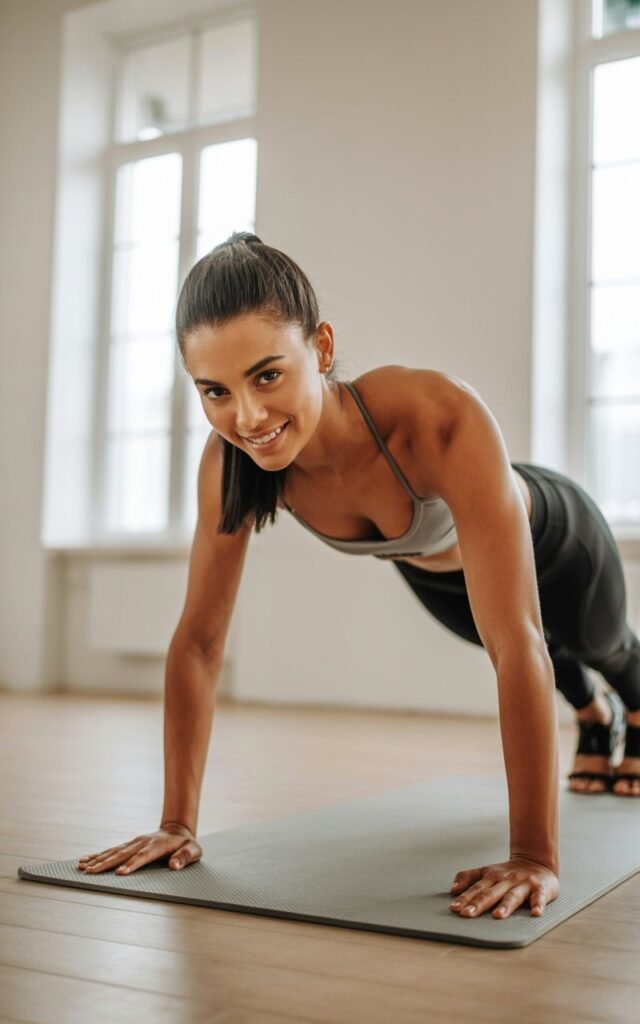
If you’re starting bodyweight workouts, at-home workouts, beginner workout plans, or fat-burning exercises at home, my biggest advice is simple: start small, stay consistent, and make daily movement part of your routine.
You don’t need a gym or equipment to lose weight at home, burn belly fat, reduce body fat, tone your abs, arms, legs, and full body, or boost metabolism and calorie burn.
Even short sessions of daily home workouts, bodyweight exercises, core workouts, and full-body fat-burning routines can deliver real results.
Focus on consistency, realistic home workout plans, and simple healthy habits like moving more, staying active, and improving your diet.
These small changes support sustainable weight loss, fat loss, muscle toning, and overall fitness improvement.
Stick with a beginner-friendly bodyweight workout routine, daily fat-burning workouts, and a home fitness plan for weight loss, and over time, you’ll build strength, confidence, and results that actually last.
Final Thoughts
This experience showed me that you don’t need extreme diets or intense gym sessions to see results.
With bodyweight workouts, daily home workouts, and simple fat-burning routines, you can lose weight at home, burn belly fat, tone your body, and improve overall fitness in a realistic and sustainable way.
The real secret is consistency, daily movement, and a simple home workout plan you can stick to.
Even small efforts—like short beginner workouts, full-body exercises, and staying active throughout the day—can lead to noticeable changes over time.
If you’re looking for a way to start your weight loss journey, build strength, and tone your abs, arms, legs, and full body without equipment, this is your sign to begin. Keep it simple, stay consistent, and trust the process—your results will follow.