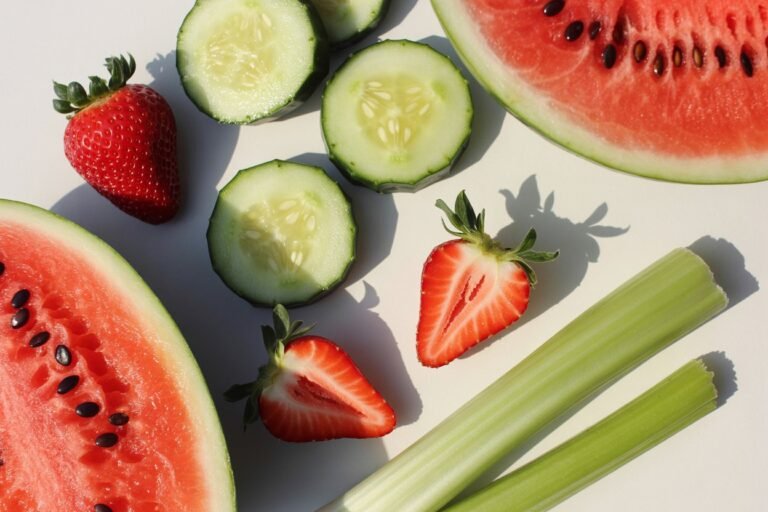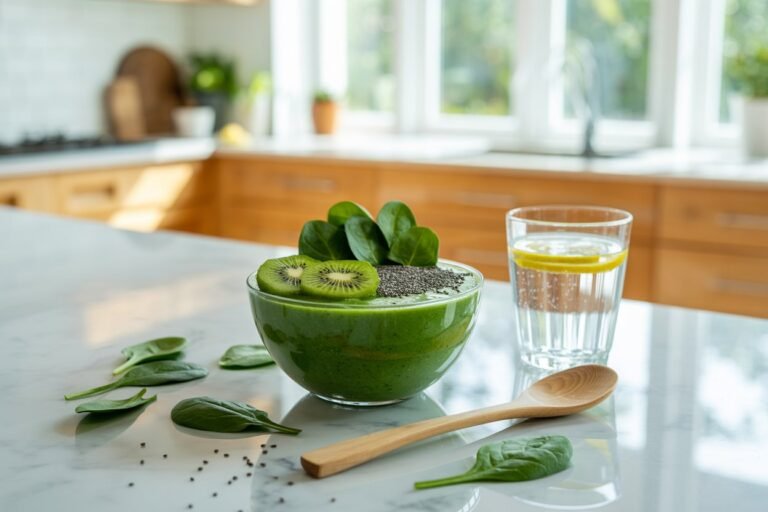
Healthy, glowing skin starts from within, and collagen plays a big role in keeping your skin smooth, firm, and youthful.
As we age, natural collagen levels start to decline, which can lead to dryness and loss of elasticity.
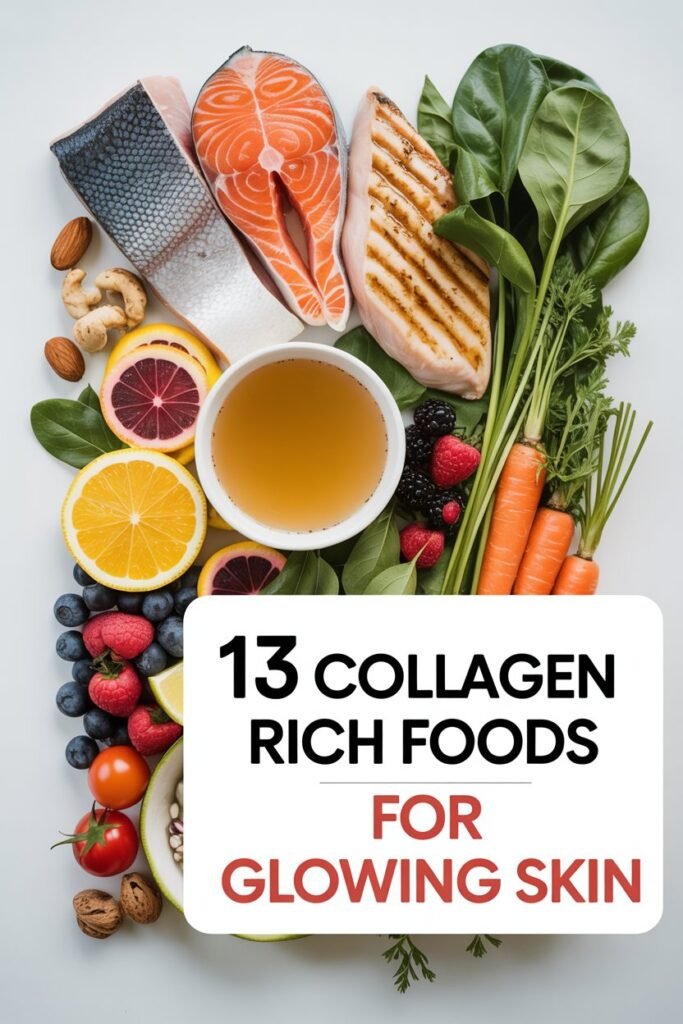
The good news is that you can support your skin naturally through the foods you eat every day.
In this post, I’m sharing 13 of the best collagen-rich foods that can help improve skin glow, boost elasticity, and support overall skin health.
Disclaimer: This post may contain affiliate links, which means I may earn a small commission at no extra cost to you. Skin and wellness results vary from person to person, and it’s best to consult a qualified health professional before adding supplements to your routine.
Amazon Shopping List: Collagen-Rich Foods for Glowing Skin
- Collagen Peptides Powder
- Bone Broth Protein Powder
- Vitamin C Supplement Capsules
- Marine Collagen Supplement Powder
- Chia Seeds (Omega-3 Rich Superfood)
- High-Speed Smoothie Blender
- Glass Smoothie Jars with Lids
Why Collagen Matters for Glowing Skin

Collagen is a natural protein that helps keep your skin firm, smooth, and hydrated.
It plays a key role in maintaining elasticity, which is what gives skin that youthful, healthy glow.
As natural collagen levels start to reduce, your skin may begin to look dull or lose firmness.
That’s why adding collagen-supporting foods to your diet can make a big difference in your skin’s appearance.
These foods help nourish your body from within and support a more radiant, glowing complexion.
13 Best Collagen-Rich Foods for Glowing Skin
Healthy, glowing skin isn’t just about skincare—it starts with what you eat.
Collagen plays a key role in keeping your skin firm, smooth, and youthful, and the right foods can help support its natural production.
Here are 13 of the best collagen-rich foods to add to your diet for a brighter, more radiant glow.
1. Bone Broth

Bone broth is one of the most collagen-rich foods you can add to your diet.
It’s made by slowly simmering animal bones, which releases collagen, amino acids, and minerals that support skin elasticity and a healthy glow.
More Tips
- Use it as a base for soups or rice for extra nutrition
- Simmer bones for a long time (8–24 hours) to extract more nutrients
- Add a splash of apple cider vinegar to help draw out minerals
- Use chicken or beef bones for best collagen content
- Keep it simple—avoid adding too much salt or seasoning
- Drink it warm for better digestion and absorption
- Store in the fridge for up to 4 days or freeze for later use
2. Chicken

Chicken is a great source of protein that supports collagen production and helps keep your skin firm and healthy.
It also contains amino acids that are important for skin repair and renewal.
More Tips
- Eat regularly as part of a balanced diet for best skin results
- Choose lean cuts like breast for a healthier option
- Include skin and connective tissues when possible for extra collagen
- Cook by boiling, grilling, or steaming instead of frying
- Pair with vitamin C foods (like lemon or peppers) to boost collagen absorption
- Add it to salads, soups, or rice bowls for easy daily intake
- Avoid heavy seasoning to keep it skin-friendly and healthy
3. Fish (Salmon & Sardines)

Salmon and sardines are rich in nutrients that support collagen production and help keep your skin smooth, hydrated, and glowing.
They also provide healthy fats that improve overall skin texture.
More Tips
- Remove excess bones when needed for easier eating
- Choose fatty fish like salmon, sardines, or mackerel for best results
- Eat grilled, baked, or steamed instead of fried
- Include fish 2–3 times a week for consistent skin benefits
- Combine with vitamin C foods to support collagen formation
- Use olive oil and light seasoning for a healthy preparation
- Opt for fresh or canned in water (not oil or heavy sauces)
4. Egg Whites
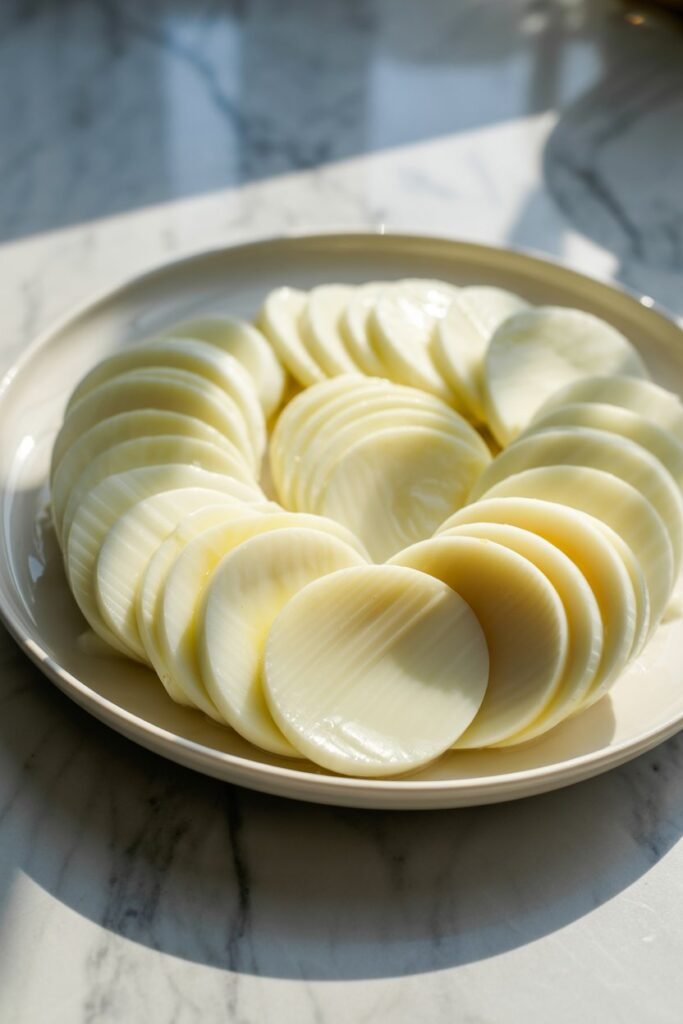
Egg whites are a great source of protein and contain proline, an amino acid that helps support natural collagen production.
They also help promote skin repair and a smoother, firmer appearance.
More Tips
- Use regularly as part of a healthy diet for best skin benefits
- Eat boiled or lightly cooked egg whites for better digestion
- Avoid overcooking to preserve nutrients
- Combine with vegetables or whole grains for a balanced meal
- Include them in breakfast for daily collagen support
- Separate from the yolk if you want a lower-fat option
- Pair with vitamin C foods to boost collagen-building effects
5. Citrus Fruits (Oranges, Lemons, Grapefruit)
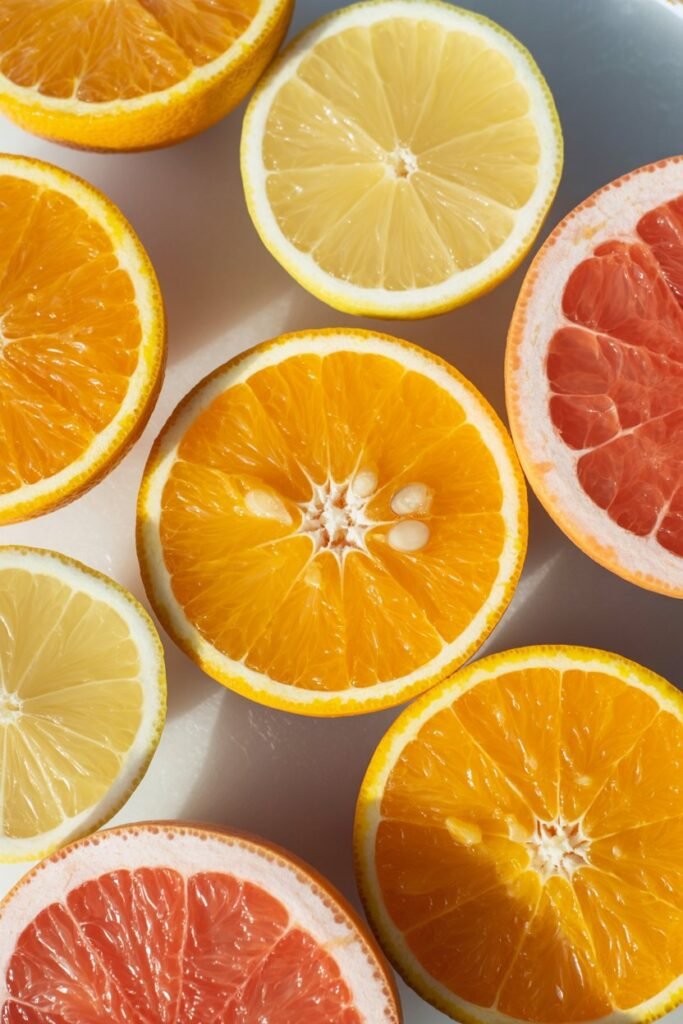
Citrus fruits are rich in vitamin C, which is essential for collagen production.
They help protect the skin from damage while supporting a brighter, more even complexion.
More Tips
- Consistency matters—try to include citrus fruits regularly for best results
- Eat fresh fruits instead of processed juices for more nutrients
- Add lemon to warm water in the morning for a simple skin boost
- Include oranges or grapefruit as a daily snack
- Combine with protein-rich foods to support collagen formation
- Avoid adding too much sugar when making juices or drinks
- Use lemon juice in salads for a healthy and refreshing option
6. Berries (Strawberries, Blueberries)

Berries are packed with antioxidants and vitamin C, which help protect collagen in the skin and support a brighter, more youthful glow.
They also help reduce skin damage caused by daily environmental stress.
More Tips
- Include them regularly to support skin protection and repair
- Eat fresh berries whenever possible for maximum nutrients
- Add them to yogurt, oatmeal, or smoothies for easy meals
- Choose a mix of strawberries, blueberries, and raspberries for variety
- Avoid adding too much sugar to keep them skin-friendly
- Snack on them between meals for a healthy glow boost
- Freeze berries for a refreshing, long-lasting option
7. Garlic
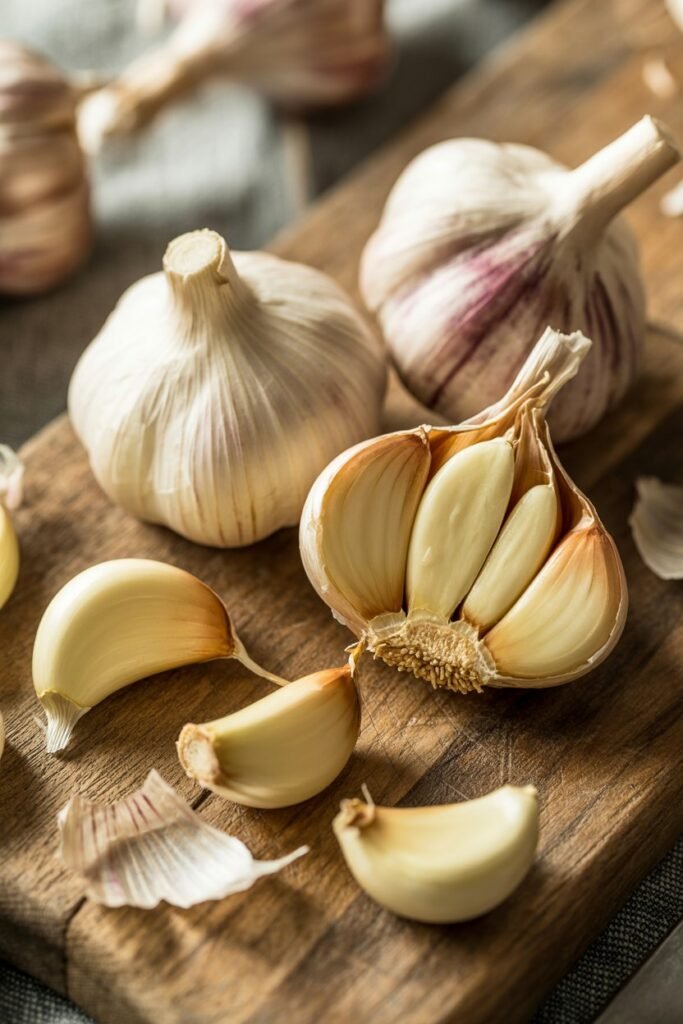
Garlic is a powerful natural food that helps support collagen production thanks to its sulfur content.
It also helps protect the skin from damage and supports overall skin repair and renewal.
More Tips
- Add fresh garlic to cooked meals for better absorption
- Crush or chop garlic and let it sit for a few minutes before cooking to activate its nutrients
- Use it in soups, stir-fries, and sauces for easy daily intake
- Avoid overcooking to preserve its beneficial compounds
- Combine with vitamin C foods to support collagen formation
- Use in small amounts regularly rather than large portions at once
- Fresh garlic is more effective than processed or powdered versions
8. Leafy Greens (Spinach, Kale)
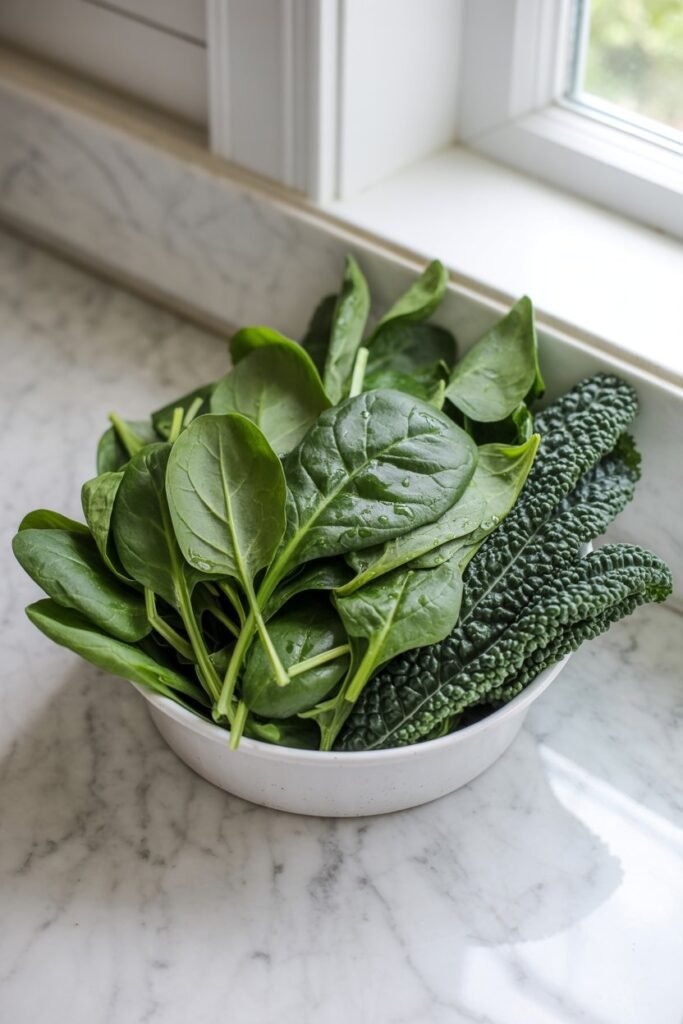
Leafy greens like spinach and kale are packed with antioxidants, vitamins, and chlorophyll that help support collagen production and protect the skin from damage.
They also help keep your skin looking fresh, healthy, and naturally glowing.
More Tips
- Fresh, organic greens are ideal when available
- Eat them fresh in salads or lightly cooked for better nutrient absorption
- Add spinach or kale to smoothies for an easy daily boost
- Pair with healthy fats like olive oil or avocado for better absorption of nutrients
- Avoid overcooking to preserve vitamins and antioxidants
- Mix different greens for a wider range of skin benefits
- Include them in meals at least a few times a week for best results
9. Tomatoes
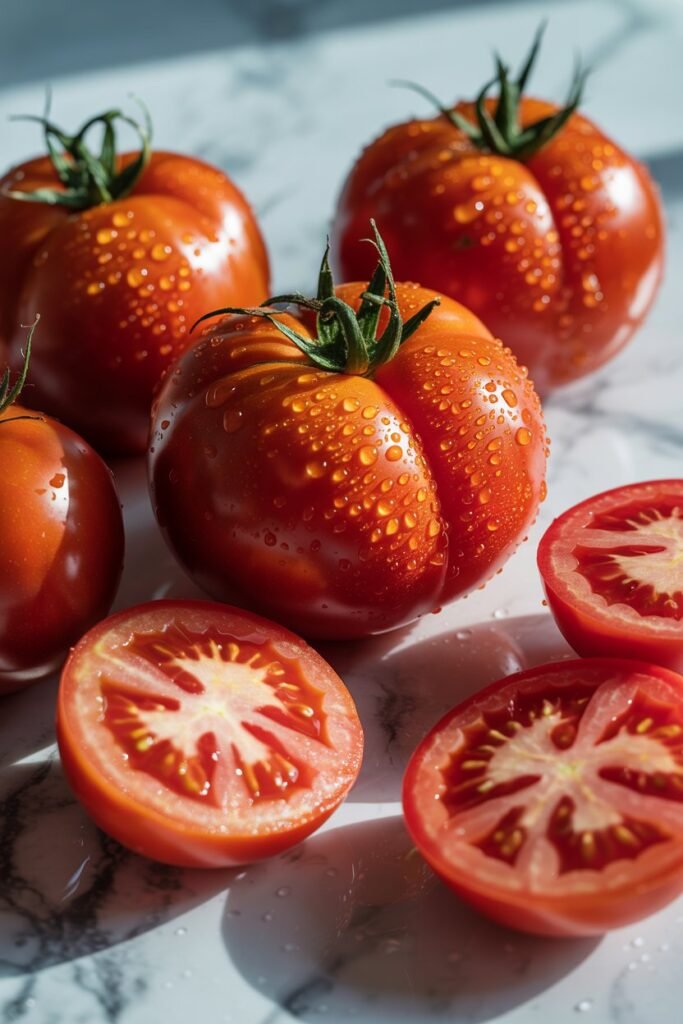
Tomatoes are rich in lycopene and vitamin C, which help protect the skin from damage and support collagen maintenance.
They also help improve skin texture and give a healthy, natural glow.
More Tips
- Eat them raw in salads or lightly cooked for better lycopene absorption
- Cooked tomatoes (like in sauces or soups) can be even more beneficial for skin health
- Pair with healthy fats like olive oil to boost nutrient absorption
- Include them regularly in meals for consistent skin support
- Choose ripe, fresh tomatoes for the best nutrient content
- Avoid heavily processed tomato products with added sugar or preservatives
- Combine with other vitamin C foods for stronger collagen support
10. Nuts & Seeds (Almonds, Walnuts, Chia Seeds)
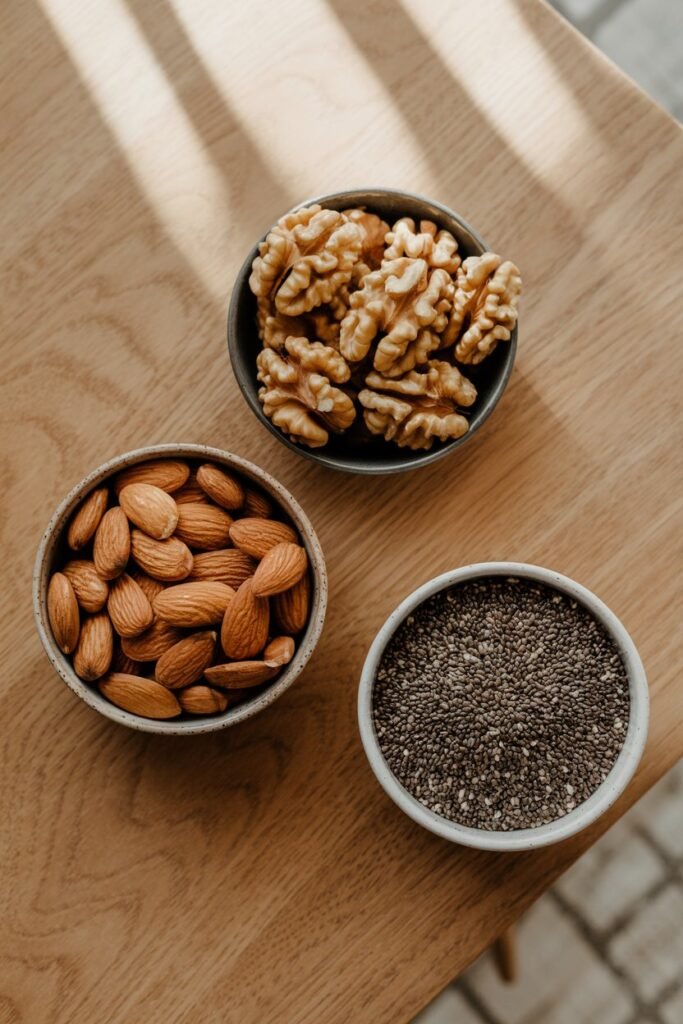
Nuts and seeds are packed with healthy fats, vitamin E, zinc, and amino acids that support collagen production and help keep your skin soft, smooth, and nourished from within.
More Tips
- Avoid overeating since they are calorie-dense, even though they are healthy
- Eat a small handful daily as a healthy snack
- Add almonds, walnuts, or chia seeds to smoothies, yogurt, or oatmeal
- Soak chia seeds before eating for better digestion and absorption
- Choose raw or unsalted nuts for maximum skin benefits
- Store in airtight containers to keep them fresh and nutrient-rich
- Combine with vitamin C foods to boost collagen support
11. Beans & Lentils
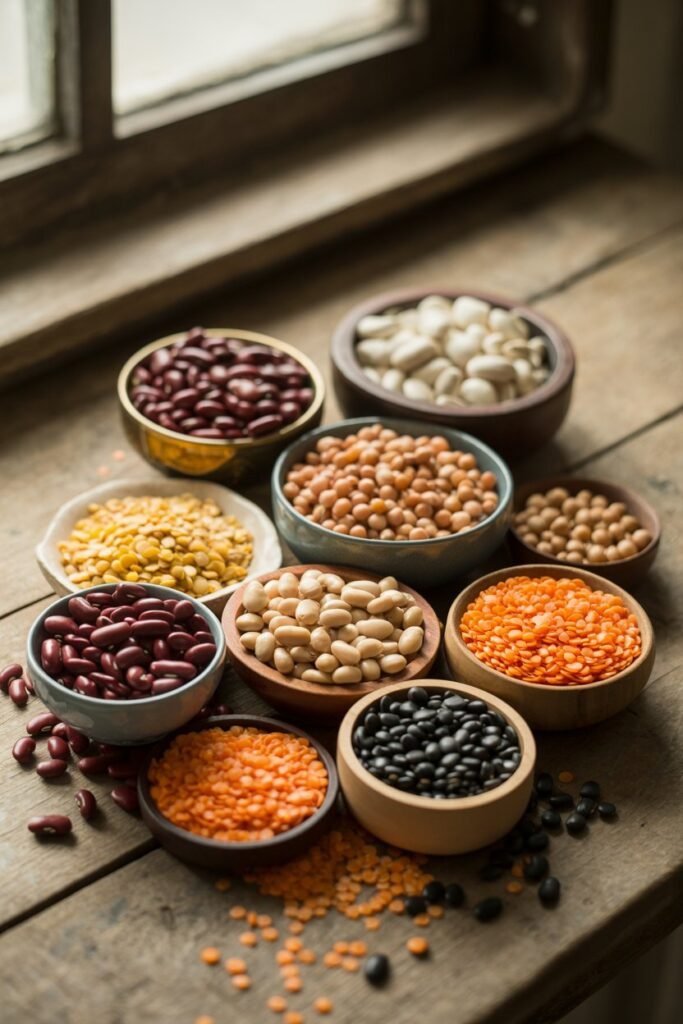
Beans and lentils are rich in plant-based protein and amino acids that help support collagen production and skin repair.
They also provide fiber and nutrients that help keep your skin looking healthy and balanced.
More Tips
- Include beans or lentils in soups, stews, or salads for easy meals
- Cook thoroughly to improve digestion and nutrient absorption
- Combine with vitamin C foods to help boost collagen formation
- Choose a variety like black beans, chickpeas, and lentils for more nutrients
- Avoid overly processed canned versions with added salt or preservatives
- Eat regularly as part of a balanced diet for steady skin benefits
- Soak dried beans before cooking to improve texture and digestion
12. Bell Peppers
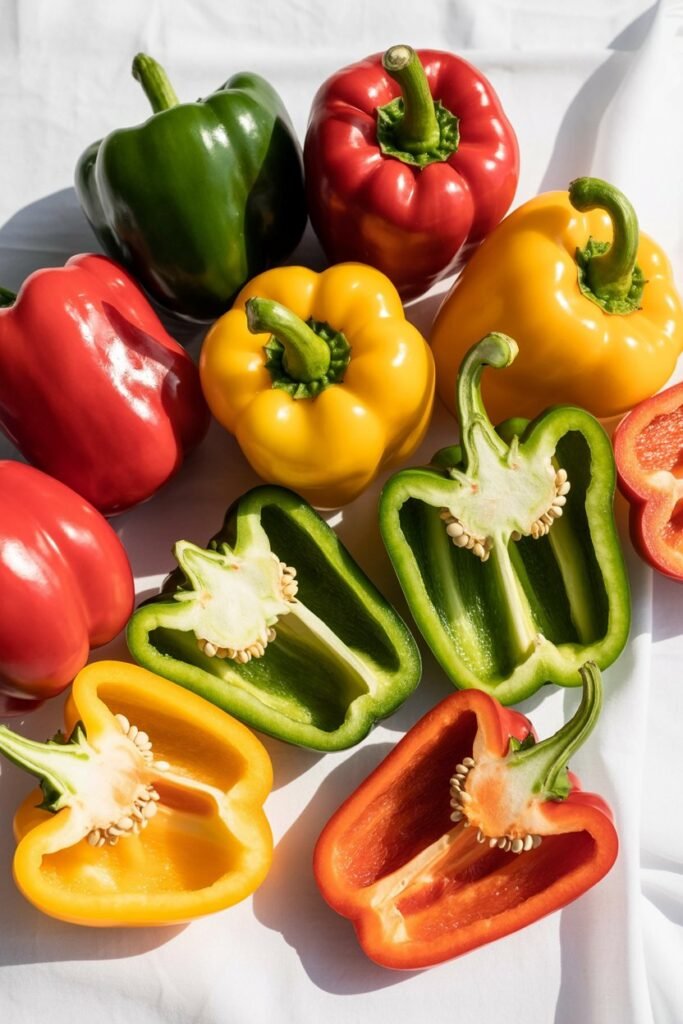
Bell peppers are rich in vitamin C and antioxidants, which play a key role in collagen production and help keep your skin firm, smooth, and glowing.
They also help protect the skin from damage and support overall skin health.
More Tips
- Choose red and yellow peppers for higher vitamin C content
- Eat them raw in salads or lightly cooked to preserve nutrients
- Add to stir-fries, wraps, or bowls for easy meals
- Pair with protein-rich foods to support collagen production
- Avoid overcooking to keep vitamins intact
- Include them regularly for consistent skin benefits
- Store properly to keep them fresh and crisp
13. Carrots

Carrots are rich in beta-carotene, which the body converts into vitamin A to support skin repair and a healthy glow. They also help protect the skin and keep it looking smooth and fresh.
More Tips
- Fresh carrots are best for maximum benefits
- Eat raw or lightly cooked to retain nutrients
- Add to salads, soups, or smoothies for easy intake
- Pair with healthy fats like olive oil for better absorption
- Include regularly for consistent skin support
- Avoid overcooking to preserve vitamins
- Snack on them throughout the day for a simple boost
How to Boost Collagen Naturally

Boosting collagen naturally starts with simple daily habits. While eating the right foods is important, your overall lifestyle also plays a big role in how your skin looks and feels.
- Eat collagen-rich and vitamin C foods regularly
- Stay hydrated throughout the day
- Get enough sleep to support skin repair
- Protect your skin from too much sun exposure
- Avoid excess sugar and processed foods
- Stay consistent with healthy eating habits
Simple Daily Routine for Glowing Skin

- Start your day with a glass of water or lemon water
- Include at least one collagen supporting food in your meals
- Add fruits or vegetables rich in vitamin C
- Keep meals simple and balanced
- Stay active and move your body daily
- Get 7–8 hours of sleep every night
Extra Tips and Care You Must Know

- Stay consistent with your diet—collagen support comes from daily habits, not one-time changes
- Drink enough water throughout the day to keep your skin hydrated and plump
- Avoid excessive sugar, as it can break down collagen over time
- Limit processed foods and focus on whole, natural ingredients
- Protect your skin from too much sun exposure by using sunscreen
- Don’t skip meals—your skin needs steady nutrients to stay healthy
- Manage stress, as it can affect your skin and collagen levels
- Get quality sleep to allow your skin to repair and renew
- Avoid smoking, as it can speed up collagen breakdown
- Keep your routine simple and realistic so you can stick to it long-term
These small habits, when done consistently, can make a noticeable difference in how your skin looks and feels.
FAQ
What foods help boost collagen the fastest?
Foods like bone broth, chicken, fish, and citrus fruits are some of the most effective for supporting collagen production.
How long does it take to see skin improvements?
With consistent habits, you may start noticing changes in a few weeks.
Can I increase collagen without supplements?
Yes, a balanced diet and healthy lifestyle can naturally support collagen production.
Do collagen-rich foods really help skin glow?
Yes, they help improve skin hydration, elasticity, and overall appearance over time.
Is vitamin C important for collagen?
Yes, vitamin C is essential because it helps the body produce and maintain collagen.
Final Thoughts
Glowing skin starts with what you put into your body. Adding collagen-rich and collagen-supporting foods to your daily routine is a simple, natural way to improve your skin’s health, texture, and overall appearance.
The key is consistency. When you combine these foods with good habits like staying hydrated, eating balanced meals, and getting enough rest, your skin naturally begins to look fresher, smoother, and more radiant.
Keep things simple, stay consistent, and focus on nourishing your body from within—your skin will reflect it.