I used to approach weight loss like a problem that needed a dramatic solution — stricter diets, longer workouts, more discipline.
On paper, it made sense. But in reality, it wasn’t sustainable, and more importantly, it wasn’t necessary.
What I didn’t understand at the time is that effective weight loss is less about intensity and more about consistency.
It’s built on small, repeatable actions that quietly shape your daily routine — the kind you don’t have to rely on motivation to maintain.

Once I shifted my focus from doing “more” to doing things smarter, everything started to feel more manageable.
My habits became easier to follow, my energy improved, and progress stopped feeling like a constant uphill battle.
In this post, I’m sharing 8 simple weight loss tips that are grounded in that approach — practical strategies that work with your lifestyle, not against it.
Before We Get Into the Tips: What Actually Matters for Weight Loss

Before I jump into the 8 simple tips, I want to quickly clear something up — because this is where most people get stuck.
Weight loss isn’t about doing everything perfectly. It’s about understanding what actually drives results and focusing your energy there.
At its core, weight loss comes down to a few key things: your daily habits, your consistency, and how realistic your routine is.
Not how intense your workouts are, not how strict your diet is — but whether you can repeat what you’re doing over and over again without burning out.
I’ve noticed that the people who struggle the most are usually the ones trying to do too much too quickly.
They overhaul everything at once, expect fast results, and then feel discouraged when it’s not sustainable.
That’s why the tips you’re about to read are intentionally simple. They’re designed to help you build momentum, not overwhelm you.
Because once you get the basics right, everything else becomes a lot easier to manage.
Why These Simple Weight Loss Tips Actually Work

Over time, I’ve realized that weight loss doesn’t have to be complicated or overwhelming. What actually works are the simple habits you can stick to every single day.
I used to jump from one trend to another, but once I focused on consistency over perfection, everything started to change.
What makes these tips effective is that they’re realistic. They don’t require extreme dieting, cutting out entire food groups, or spending hours working out.
Instead, they focus on small, sustainable changes that add up over time and fit naturally into your daily routine.
Another reason these tips work is because they help create a calorie deficit without making you feel deprived.
Simple things like eating more protein, staying active, and being mindful of portion sizes can make a huge difference without feeling restrictive.
I also love that these habits support overall health, not just weight loss. You feel more energized, sleep better, and stay more consistent because the approach is balanced and manageable.
At the end of the day, the best weight loss plan is the one you can stick to—and these simple tips make that possible.
1. Focus on Consistency, Not Intensity

One of the biggest shifts I had to make was letting go of the idea that every workout or meal had to be “perfect” to count.
For a long time, I approached weight loss with an all-or-nothing mindset — either I was fully committed, or I felt like I was failing.
What actually moved the needle was consistency.
Doing something small every day — a short walk, a simple home workout, choosing a balanced meal — turned out to be far more effective than pushing myself too hard and then burning out a few days later.
There’s a simple reason this works: your body responds to what you do repeatedly, not occasionally. A moderate routine you can stick to will always outperform an intense routine you can’t maintain.
I started focusing on building a rhythm instead of chasing intensity. Some days were better than others, but I showed up anyway — and that’s where real progress came from.
Simple takeaway: If you can’t see yourself doing it consistently, it’s probably too much. Start with what feels manageable and build from there.
2. Build Your Meals Around Protein First

One thing I didn’t pay enough attention to in the beginning was how my meals were actually structured.
I would eat less overall, but still feel hungry, low on energy, and more likely to snack later.
What made a real difference was prioritizing protein.
Instead of asking “what should I eat?”, I started asking, “where is my protein coming from in this meal?”
That small shift helped me naturally make better food choices without overthinking everything.
Protein works in your favor in a few important ways:
- It keeps you fuller for longer
- It helps maintain muscle while losing weight
- It reduces unnecessary cravings throughout the day
I noticed that on days I included enough protein, I wasn’t constantly thinking about food or reaching for quick snacks.
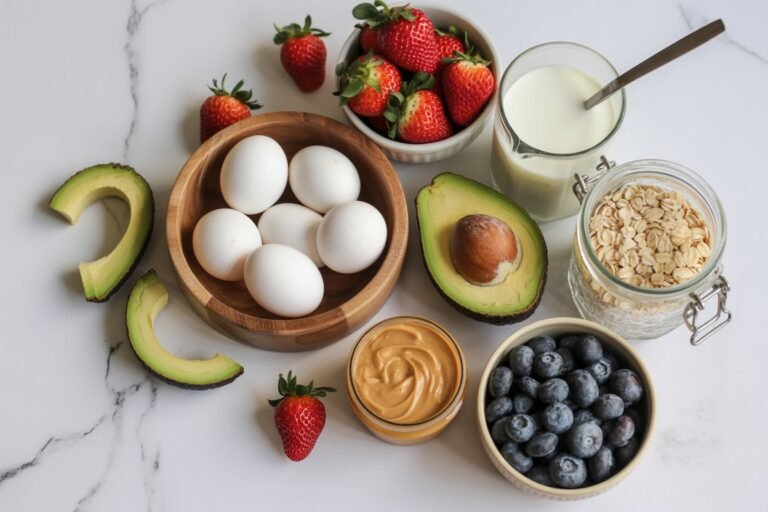
This doesn’t mean overcomplicating your meals. It can be as simple as adding eggs, chicken, fish, beans, or yogurt to what you’re already eating.
Simple takeaway: Start with protein, then build the rest of your meal around it. It’s one of the easiest ways to stay full and in control without feeling restricted.
3. Make Movement Part of Your Daily Routine (Not Just Workouts)

I used to think weight loss depended mostly on structured workouts — like if I didn’t do a full session, it didn’t really count.
But what I’ve learned is that daily movement plays a much bigger role than most people realize.
It’s the small, consistent actions throughout the day that quietly add up — walking more, standing instead of sitting for too long, doing quick home exercises, or even just staying generally active.
There’s a concept behind this: your body burns energy not only during workouts, but also through everyday movement.
When that movement is low, progress can feel slower, even if you’re exercising a few times a week.
Once I started paying attention to how active I was outside of workouts, things shifted.
I didn’t rely on one intense session to “do all the work” — I stayed active in simple ways throughout the day.
This made everything feel more natural and less forced.
Simple takeaway: Don’t rely only on workouts. Find small ways to move more every day — it’s easier to maintain and makes a bigger difference than you think.
4. Stop Drinking Your Calories Without Realizing It

This was something I completely overlooked at first. I focused so much on food that I didn’t pay attention to what I was drinking — and it added up quickly.
Sugary drinks, sweetened coffee, juices, and even some “healthy” beverages can carry a surprising amount of calories without making you feel full.
So you end up consuming more than you realize, while still feeling like you haven’t eaten much.
What made a difference for me was keeping things simple. I didn’t cut everything out overnight, but I became more intentional.
I started choosing water more often, reducing how frequently I had high-calorie drinks, and paying attention to what I was actually consuming.
The key here isn’t restriction — it’s awareness.
Once I made this small adjustment, it felt like one of the easiest ways to reduce excess calories without changing my meals too much.
Simple takeaway: If you’re trying to lose weight, start paying attention to your drinks. Cutting back on high-calorie beverages is one of the simplest wins you can get.
5. Create a Simple Eating Routine You Can Stick To

One thing that slowed me down in the beginning was eating randomly — skipping meals, then overeating later, or constantly snacking without really thinking about it.
It made everything feel unpredictable and harder to control.
What helped was creating a simple, flexible eating routine.
I didn’t follow anything strict. I just gave my day a bit of structure — knowing roughly when I would eat and making sure my meals were balanced.
That alone made a big difference in how I felt and how consistent I was.
When your eating is all over the place, it’s easy to get overly hungry, which usually leads to quick, less intentional food choices.
But when you have a routine, your body adjusts, your hunger becomes more predictable, and you feel more in control.
It also removes a lot of decision fatigue. You’re not constantly asking yourself what or when to eat — you already have a rhythm.
Simple takeaway: You don’t need a strict diet, just a simple routine. Consistent meal timing can help you stay on track without overthinking everything.
6. Don’t Rely on Motivation — Build Simple Habits for Weight Loss

I thought I needed to feel motivated to stick with my weight loss plan.
If I wasn’t in the mood to exercise or eat healthy, I would skip it and tell myself I’d “start fresh tomorrow.”
The problem is, motivation is unpredictable. If your progress depends on how you feel every day, it’s easy to fall off track and struggle with consistent weight loss.
What actually helped was focusing on small, repeatable weight loss habits that didn’t require much effort or thinking. Things like:
- Going for a short daily walk after meals
- Preparing healthy meals ahead of time
- Doing quick, simple home workouts at a set time
Over time, these habits became automatic. I didn’t need to rely on motivation — I just followed my routine.
That consistency made a huge difference for sustainable weight loss.
Simple takeaway: Motivation is unreliable. Focus on building small, easy-to-follow habits for long-term weight loss — these are the actions that really stick and deliver results.
7. Track Your Progress — Without Obsessing

One thing I didn’t realize at first is how helpful tracking can be for weight loss, but not in a stressful or obsessive way.
I used to think stepping on the scale every day was the only way to measure progress, and it drove me crazy when the numbers fluctuated.
The smarter approach is to track simple, meaningful indicators:
- Weekly weigh-ins instead of daily
- How your clothes fit
- Energy levels and strength improvements
- Small wins like sticking to your healthy meal plan or home workout routine
Tracking this way keeps you accountable and motivated without making you fixate on every pound.
It also helps you identify which habits are working and which ones need adjustment.
I found that seeing even small improvements over time made a huge difference for my confidence and commitment to long-term weight loss.
Simple takeaway: Keep track of progress in practical ways — focus on consistency, habits, and how you feel, not just the scale. This makes losing weight more realistic and sustainable.
8. Prioritize Sleep and Stress Management for Weight Loss

This might surprise a lot of people, but one of the biggest factors in losing weight isn’t just diet or exercise — it’s sleep and stress.
I used to underestimate how much staying up late or feeling constantly stressed was sabotaging my efforts.
When your body is sleep-deprived or stressed, it produces hormones that increase hunger and cravings, making it harder to stick to healthy eating habits and burn fat efficiently.
Even with the best weight loss workouts and meal plans, poor sleep and high stress can slow your results.
I started prioritizing simple changes:
- Going to bed at a consistent time
- Taking short walks or practicing deep breathing to reduce stress
- Allowing myself small breaks instead of pushing nonstop
These small adjustments improved my energy, controlled cravings, and made it easier to maintain healthy habits every day.
Simple takeaway: Sleep and stress aren’t optional — they’re part of the equation for effective weight loss.
Focus on rest and stress management as much as diet and exercise for lasting results.
FAQ: 8 Simple Weight Loss Tips That Actually Work
1. What is the most effective simple weight loss tip?
Staying in a consistent calorie deficit while eating balanced meals is the most effective and sustainable approach.
2. Do I need to exercise to lose weight?
Exercise helps, but weight loss mainly comes from diet. Combining both gives the best results.
3. How quickly can I lose weight safely?
A healthy rate is about 0.5–1 kg (1–2 pounds) per week.
4. Are simple weight loss tips better than strict diets?
Yes, simple and sustainable habits are easier to maintain long-term compared to restrictive diets.
5. Can I still eat my favorite foods and lose weight?
Yes, as long as you stay within your calorie goals and maintain balance.
6. Why do most weight loss plans fail?
They’re often too restrictive, hard to maintain, or unrealistic for daily life.
7. How do I stay consistent with weight loss?
Focus on small habits, plan your meals, stay active, and avoid all-or-nothing thinking.
Final Thoughts
Looking back, the biggest lesson I’ve learned about weight loss is that it doesn’t have to be complicated.
You don’t need extreme diets, hours in the gym, or endless restrictions to see real results.
What matters most is consistency, smart habits, and small daily choices that you can actually stick to.
The 8 tips I’ve shared — from focusing on protein and building simple routines, to tracking progress and prioritizing sleep — aren’t just theory.
They’re strategies I’ve applied in my own life, and they’ve made a real difference. The key is not perfection, but persistence.
Even small changes, when done consistently, add up over time.
Remember, weight loss is a journey, not a sprint. Some days will be easier, some harder, but the small, consistent actions you take today are the ones that shape your results tomorrow.
Start with one tip, then layer the others in gradually. Over time, these habits will become second nature — and that’s when true, lasting weight loss happens.