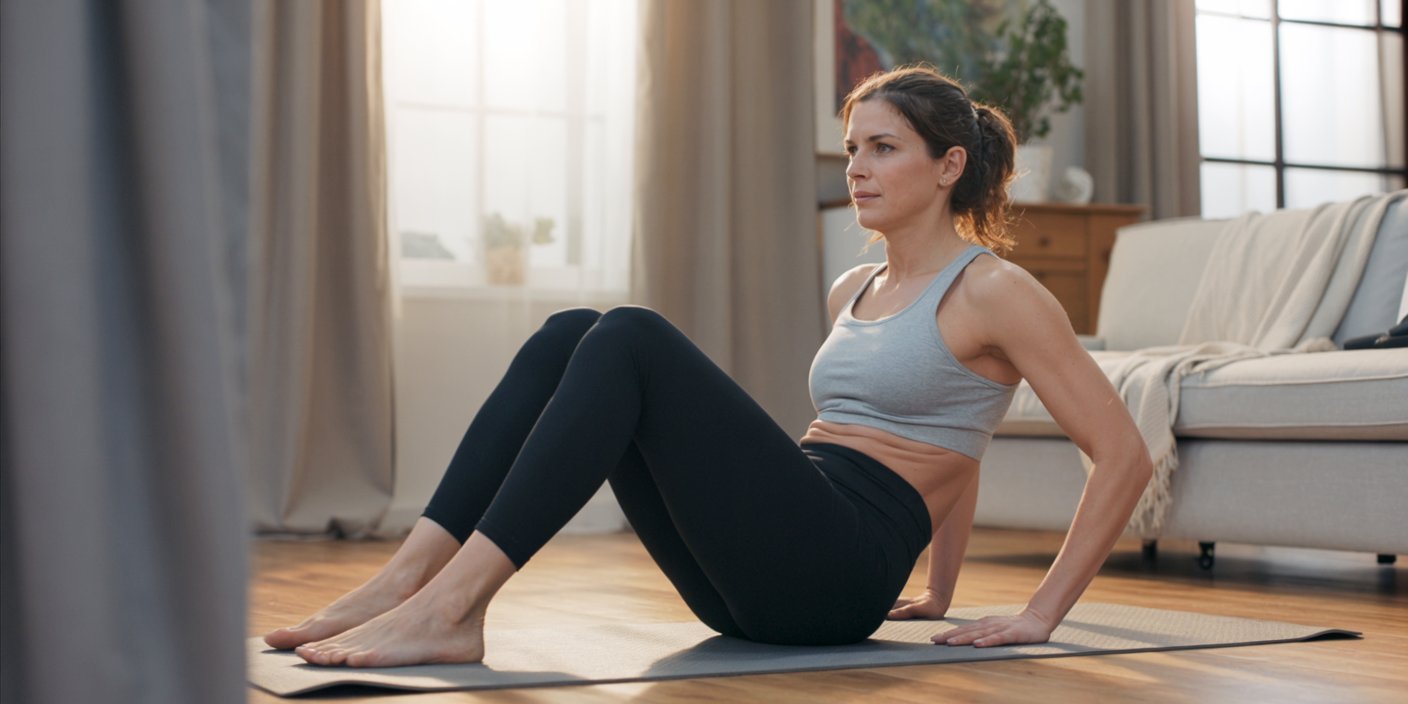
I thought building a round, lifted butt required endless gym sessions, heavy machines, and complicated workout plans.
Every fitness video I saw seemed to involve cable machines, barbells, and equipment that most people simply don’t have at home.
Meanwhile, my daily routine looked a lot different.
Between work, family responsibilities, and the normal rhythm of everyday life, getting to a gym consistently wasn’t always realistic.
Some days were busy, some days were unpredictable, and squeezing in a full gym workout felt like another task on an already long list.
Eventually, I realized something important: I didn’t actually need a gym to train my glutes effectively.
What I needed was a simple routine built around the right exercises—movements that truly activate the glute muscles and help shape, strengthen, and lift the lower body.
After experimenting with different workouts at home, I found a small group of exercises that consistently worked.
These movements target the glutes from different angles, helping develop strength, shape, and that lifted look many people aim for.
The best part? These exercises can be done in a small space with little to no equipment.
If you’re trying to build a rounder, more lifted butt without spending hours in the gym, these eight moves can be an excellent place to start.
Disclaimer: This post contains affiliate links. If you make a purchase through these links, we may earn a small commission at no extra cost to you.
Amazon Shopping List: Moves for a Round and Lifted Butt
- Resistance Bands Set
Perfect for activating and shaping glute muscles during workouts.
BUY NOW ON AMAZON - Adjustable Dumbbells Set
Adds resistance to help build a rounder and lifted booty.
BUY NOW ON AMAZON - Yoga Exercise Mat
Provides comfort and support for floor-based glute exercises.
BUY NOW ON AMAZON - Ankle Weights (Adjustable)
Increases intensity for kickbacks and leg lift exercises.
BUY NOW ON AMAZON - Kettlebell (5–15 lbs)
Great for squats, lunges, and swings to build and lift glutes.
BUY NOW ON AMAZON
Why Glute Training Matters More Than Most People Think
Before getting into the exercises, it’s helpful to understand why glute training is so important.
The glute muscles—especially the gluteus maximus—are the largest and most powerful muscles in the body.
They play a major role in movements like walking, climbing stairs, running, and maintaining good posture.
Strong glutes can also help:
- Support the lower back
- Improve athletic performance
- Enhance lower-body strength
- Create a more balanced body shape
However, modern lifestyles often involve long periods of sitting, which can weaken the glutes over time. That’s why targeted exercises can make such a noticeable difference.
Why I Started Doing These 8 Moves for a Round and Lifted Butt
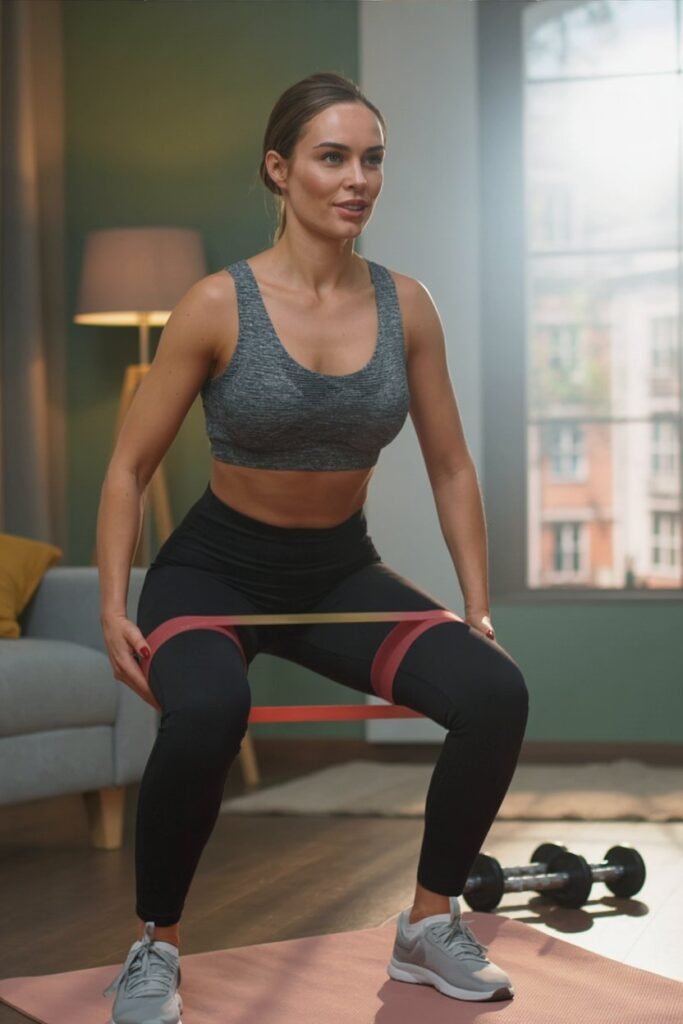
I started doing these glute-focused moves because I wanted more than just weight loss—I wanted to feel stronger, more toned, and confident in my body.
At first, I didn’t realize how important glute training was, but once I stayed consistent, I noticed real changes not just in my shape, but in how my body felt overall.
What really motivated me was how quickly I started seeing improvements in my lower body strength.
Simple moves like squats, lunges, and glute bridges made everyday activities easier, from walking up stairs to standing for long periods without discomfort.
Another reason I stuck with it is because these exercises helped improve my posture and balance.
I didn’t expect that, but stronger glutes made my body feel more aligned and stable, which also helped reduce lower back strain.
I also loved how these moves supported fat loss while shaping my body at the same time.
Instead of just losing weight, I was actually building curves and definition, which made my fitness journey feel more rewarding and sustainable.
Most importantly, I started enjoying the process. These workouts became something I could do at home, with no equipment needed, and still feel like I was making real progress toward my goals.
1. Glute Bridges
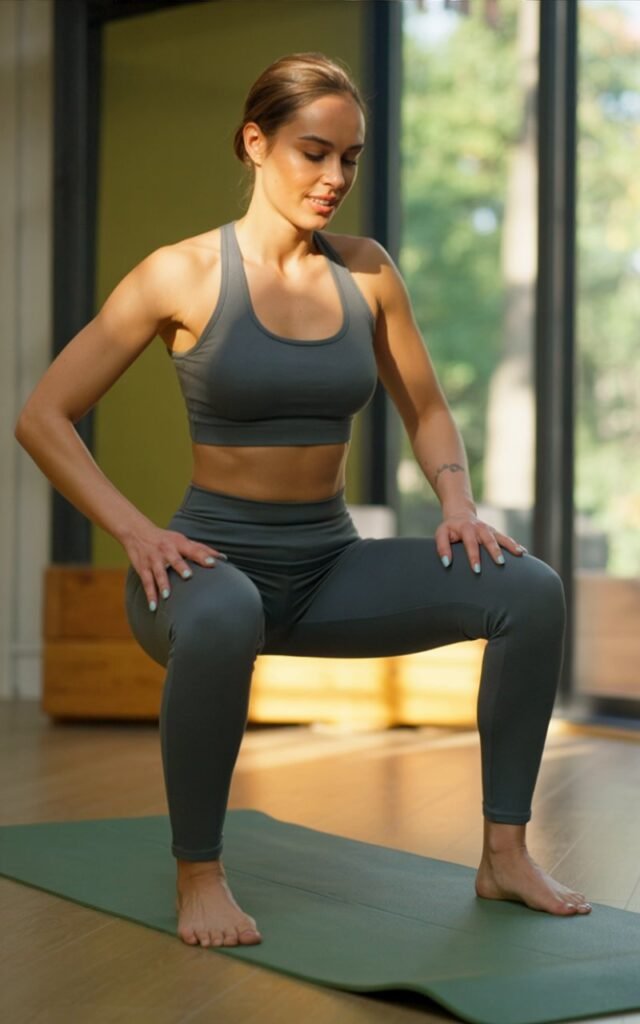
Glute bridges are one of the most effective beginner-friendly exercises for activating the glutes.
To perform this move:
- Lie on your back with your knees bent and feet flat on the floor.
- Place your arms beside your body for support.
- Push through your heels and lift your hips toward the ceiling.
- Squeeze your glutes at the top of the movement.
- Slowly lower back down.
This movement directly targets the glute muscles and helps improve hip strength.
Tip: Focus on squeezing your glutes rather than arching your lower back.
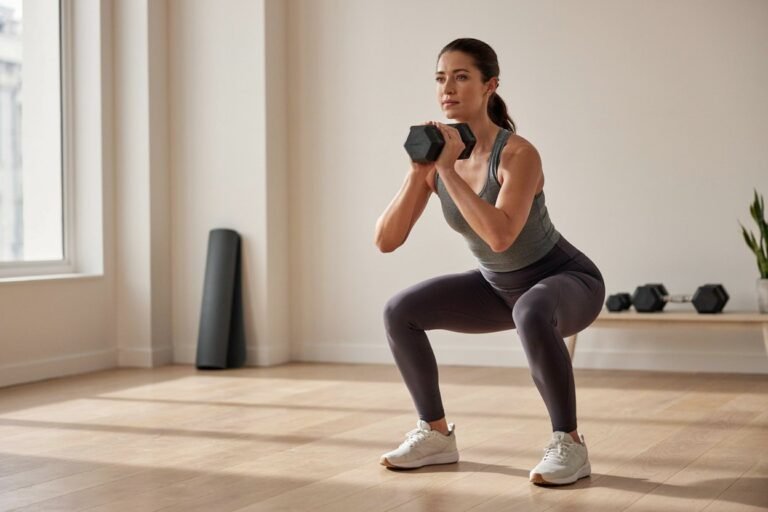
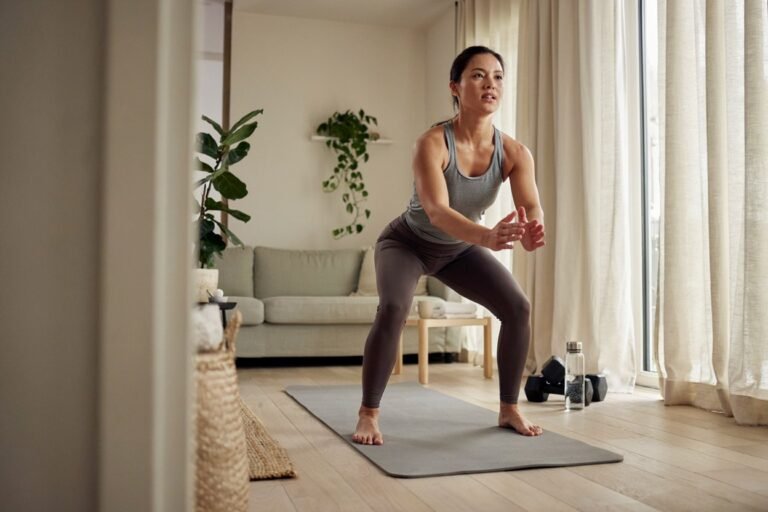
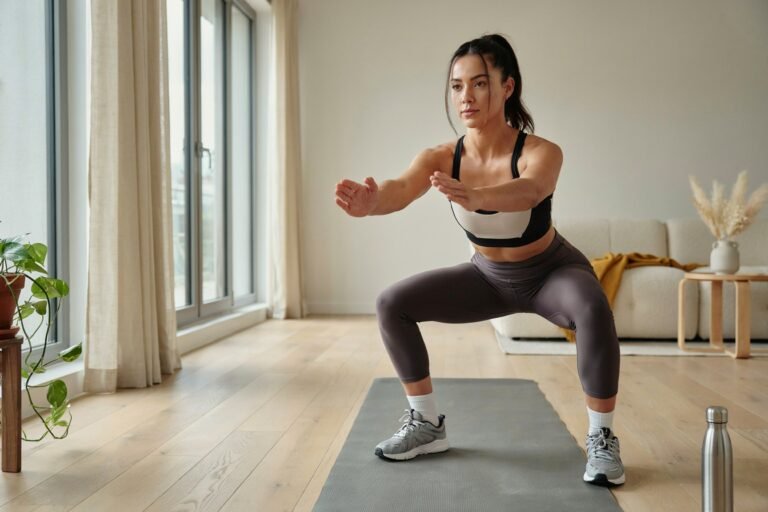
2. Squats
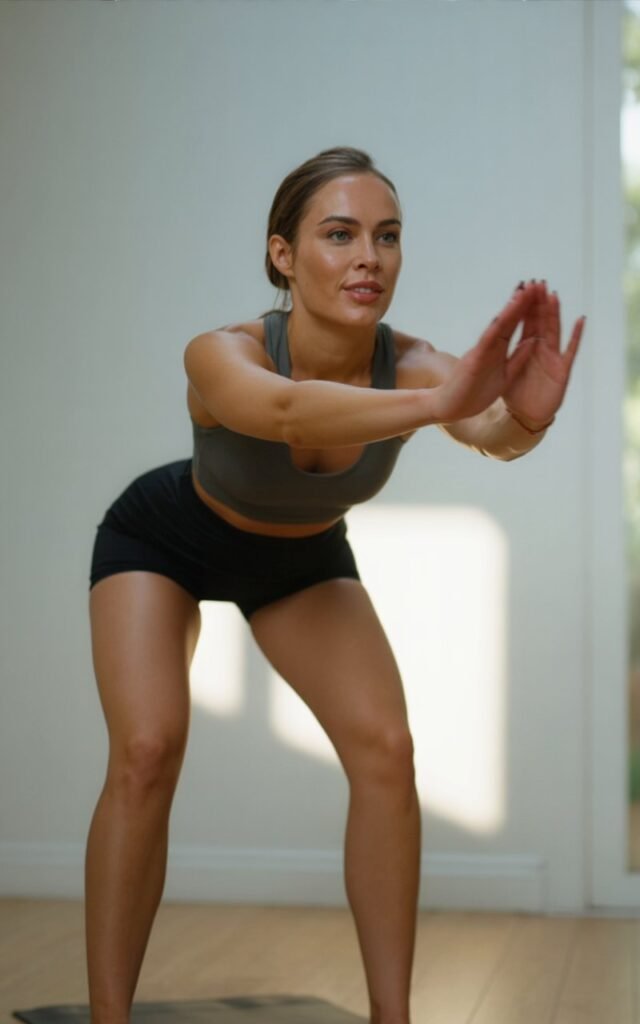
Squats are a classic lower-body exercise for a reason. When performed correctly, they engage the glutes, thighs, and core simultaneously.
How to do them:
- Stand with your feet about shoulder-width apart.
- Keep your chest upright and core engaged.
- Lower your body as if sitting back into a chair.
- Push through your heels to return to standing.
Squats help develop overall lower-body strength and contribute to glute development when performed consistently.
Related Leg & Lower Body Workouts
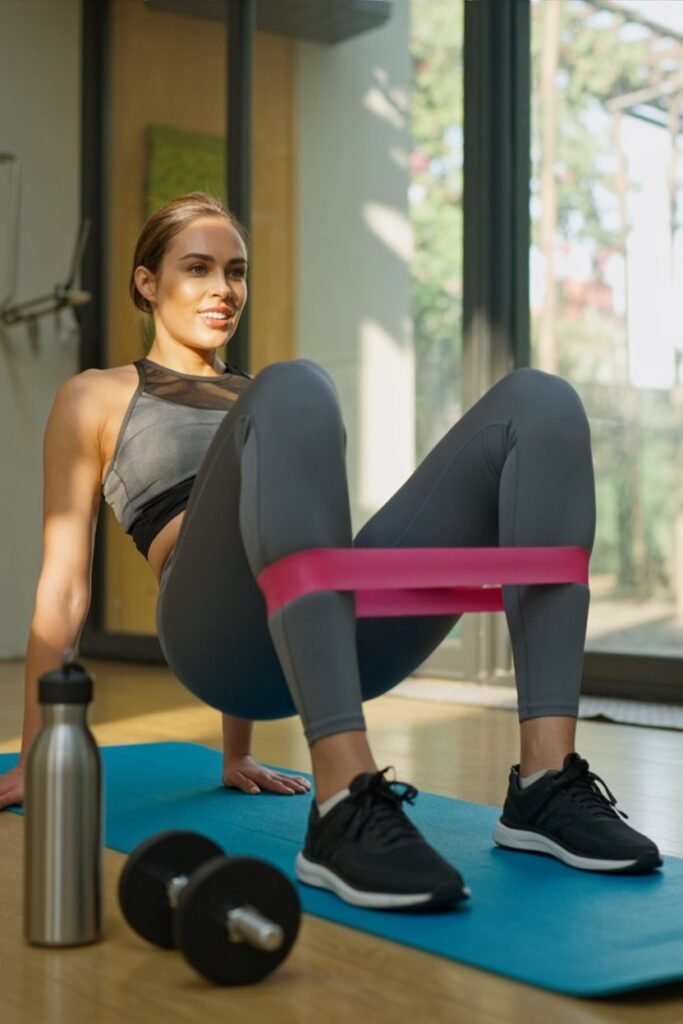
- 10 Best Leg Exercises to Tone Your Thighs (Beginner-Friendly & Effective)
- 10-Minute Thigh Exercise
- How To Get Slimmer Thighs
- Top Tools to Tone Legs and Burn Thigh Fat — What Actually Worked for Me
- 7 Best Moves to Lose Hip Fat
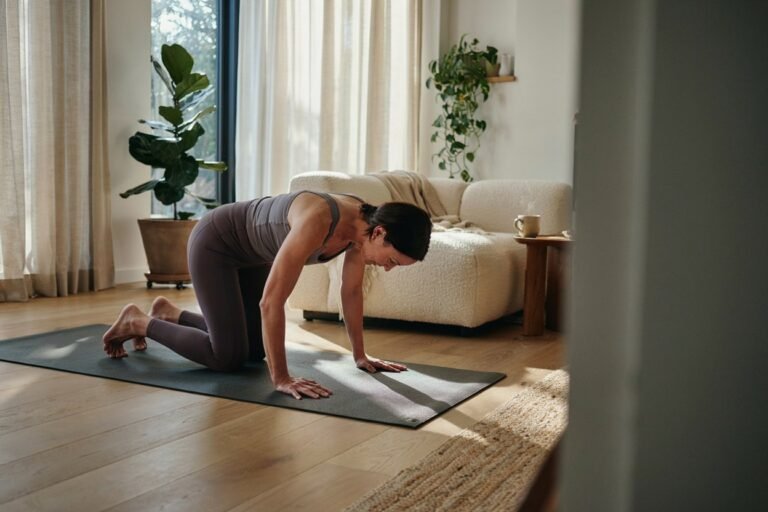
3. Donkey Kicks
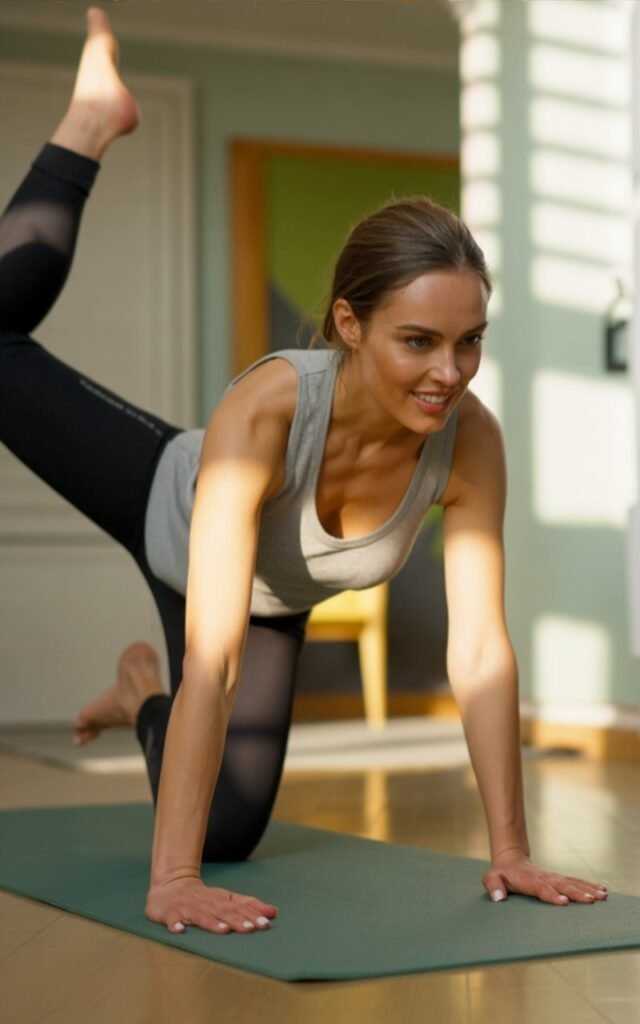
Donkey kicks are a simple but powerful move for isolating the glutes.
Steps:
- Start in a hands-and-knees position.
- Keep your core tight and back neutral.
- Lift one leg behind you while keeping your knee bent.
- Raise your foot toward the ceiling.
- Lower slowly and repeat.
This movement helps strengthen the upper glute area, which contributes to a lifted appearance.
4. Bulgarian Split Squats
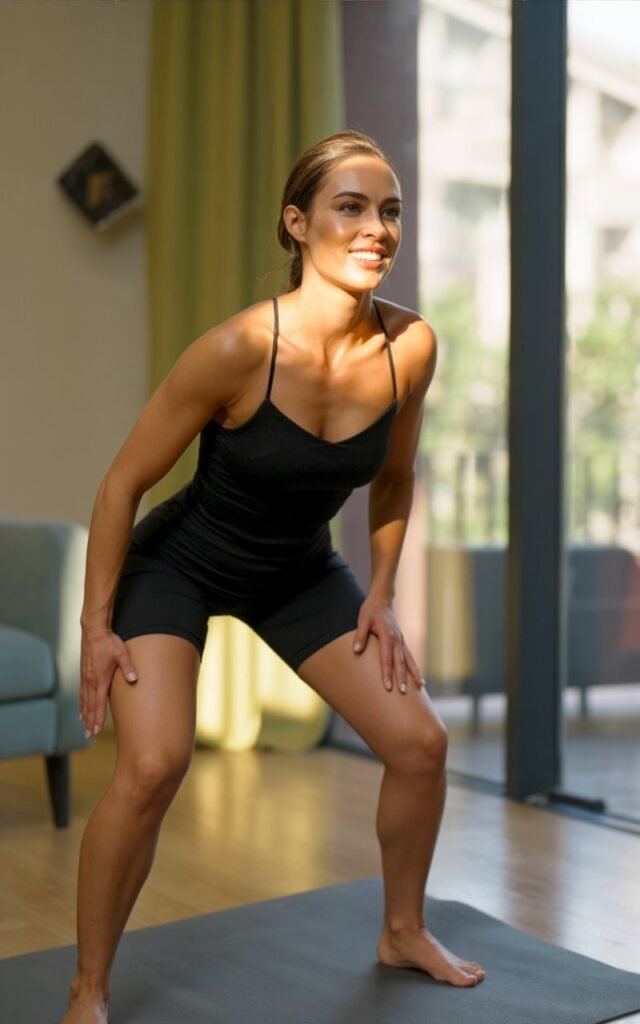
This exercise challenges balance and strength while placing significant tension on the glutes.
How to perform it:
- Stand a few feet in front of a bench or chair.
- Place one foot behind you on the elevated surface.
- Lower your body by bending the front knee.
- Push through the front heel to return to standing.
Bulgarian split squats are excellent for building unilateral strength and improving muscle symmetry.
5. Fire Hydrants
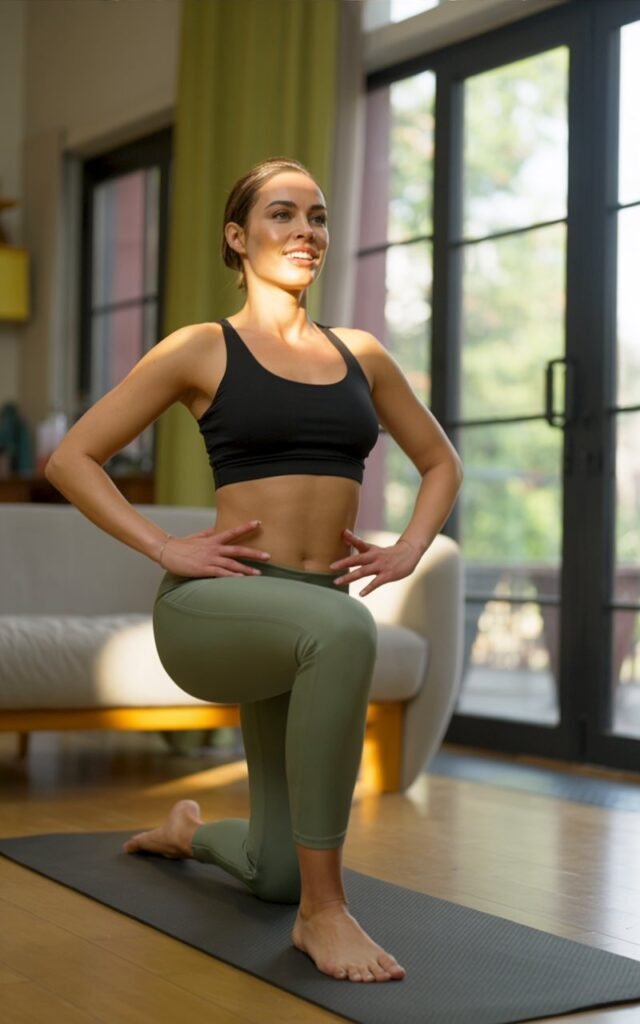
Fire hydrants target the side glutes, which help shape the hips and improve overall glute definition.
Steps:
- Start on all fours with your hands under your shoulders.
- Lift one knee out to the side.
- Keep the movement controlled.
- Lower slowly and repeat.
This exercise helps strengthen the gluteus medius, an important muscle for hip stability.
6. Step-Ups
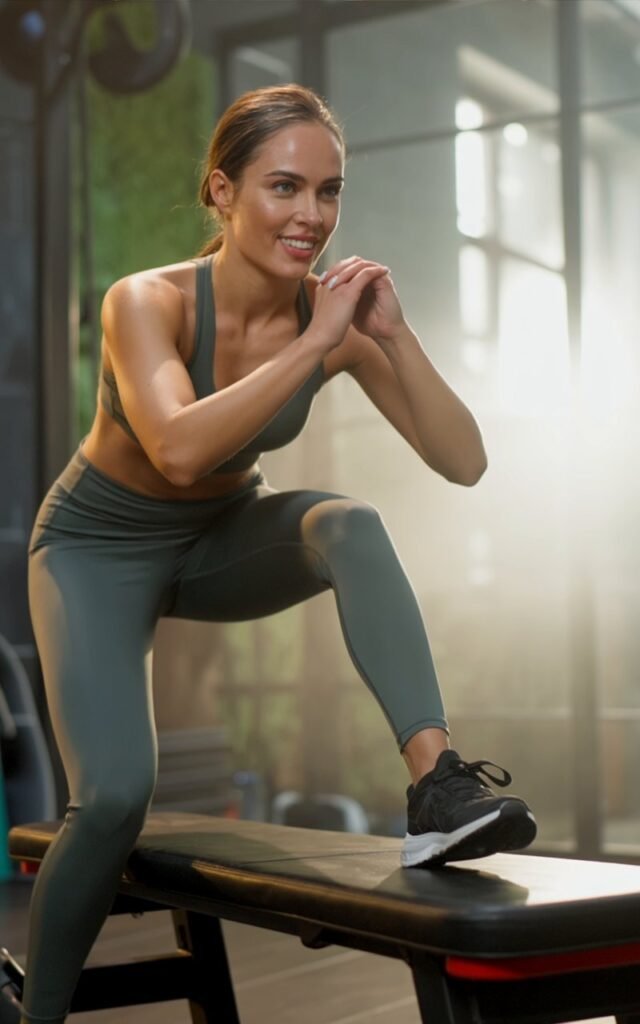
Step-ups are simple yet effective for building glute strength.
To perform:
- Stand in front of a sturdy bench, step, or platform.
- Place one foot on the step.
- Push through your heel to lift your body upward.
- Step down slowly.
This movement mimics natural movements like climbing stairs while strengthening the glutes.
7. Hip Thrusts
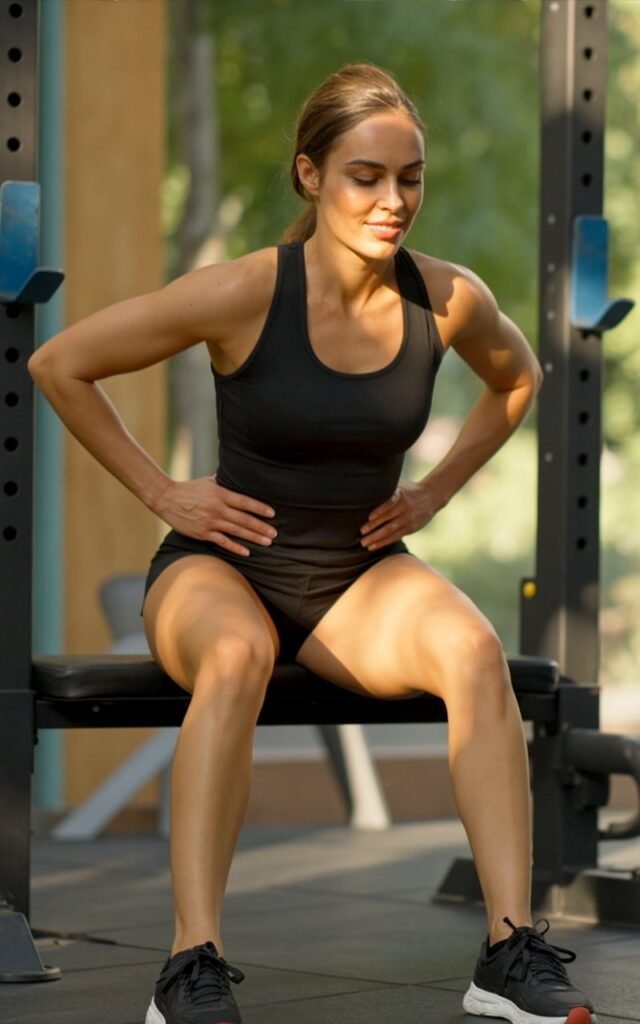
Hip thrusts are one of the most effective exercises for glute development.
Steps:
- Sit on the floor with your upper back against a bench or couch.
- Bend your knees and place your feet flat on the floor.
- Lift your hips upward until your torso forms a straight line.
- Squeeze your glutes at the top.
- Lower slowly.
Many people notice significant improvements in glute strength when adding hip thrusts to their routine.
8. Reverse Lunges
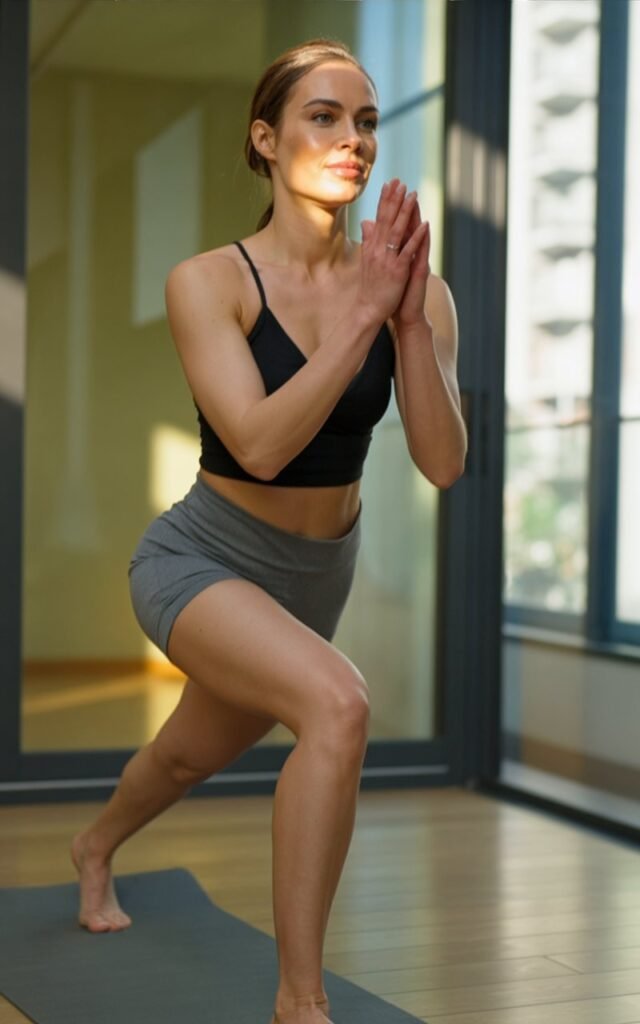
Reverse lunges help target the glutes while also strengthening the legs and improving balance.
How to do them:
- Stand tall with your feet together.
- Step one leg backward into a lunge position.
- Lower your body until your front knee forms a right angle.
- Push through the front heel to return to standing.
Reverse lunges are often easier on the knees than forward lunges while still providing excellent glute activation.
Helpful Tips for Better Glute Results
If you want these exercises to produce noticeable results, keep these tips in mind.
Focus on muscle activation. Slow, controlled movements help engage the glutes more effectively.
Increase repetitions gradually. As the exercises become easier, increase reps or sets to continue challenging the muscles.
Stay consistent. Training the glutes two to three times per week can produce better results than occasional workouts.
Combine strength with movement. Walking, climbing stairs, and staying active throughout the day can support glute development.
Common Mistakes That Slow Progress
Many people perform glute workouts regularly but still struggle to see results.
Some common mistakes include:
- Rushing through repetitions
- Using poor posture during exercises
- Not activating the glutes properly
- Skipping rest days needed for recovery
Paying attention to form and quality of movement can make a significant difference.
FAQ: 8 Moves for a Round and Lifted Butt
1. Do glute exercises really lift your butt?
Yes, consistent glute training helps strengthen and lift the muscles, improving shape over time.
2. How often should I do butt workouts?
2–4 times per week is ideal for results and proper muscle recovery.
3. Can I grow my glutes at home without equipment?
Yes, bodyweight exercises like squats, lunges, and bridges are very effective.
4. How long does it take to see results?
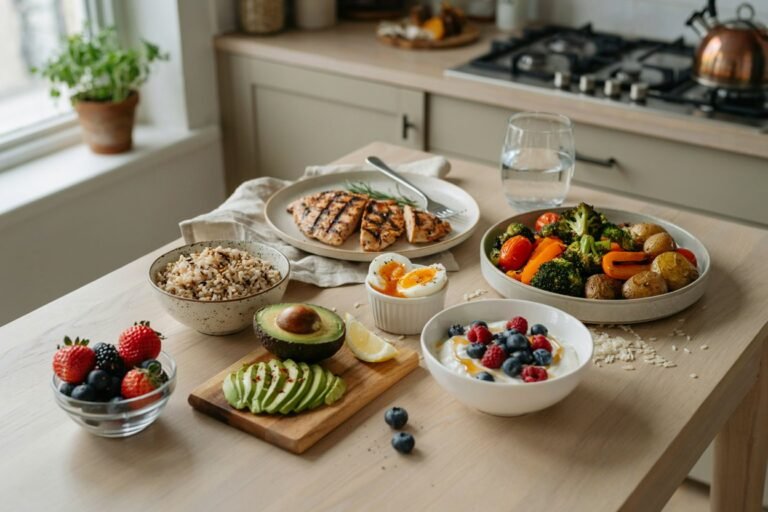
Most people notice changes in 4–8 weeks with consistency and proper nutrition.
5. Do glute workouts help with weight loss?
Yes, they burn calories and build muscle, which supports fat loss and metabolism.
6. What are the best exercises for a lifted butt?
Squats, hip thrusts, glute bridges, donkey kicks, and lunges are highly effective.
7. Should I do cardio with glute workouts?
Yes, combining both improves overall fat loss and body toning results.
Final Thoughts
Building a rounder, lifted butt doesn’t require complicated routines or expensive gym memberships.
With the right exercises and consistent effort, it’s possible to strengthen and shape the glutes at home.
The key is focusing on movements that truly engage the glute muscles and performing them regularly.
These eight exercises are simple, effective, and adaptable to different fitness levels.
Whether you’re just beginning your fitness journey or looking to improve your current routine, they can help create a stronger and more balanced lower body.
Consistency, patience, and proper form are what ultimately lead to the best results.