
A few months ago, I found myself doing everything “right” — at least on the surface.
I was choosing healthier meals, fitting in my workouts between school runs and house chores, drinking more water, and trying not to snack late at night.
But the scale barely moved. What frustrated me most wasn’t the number — it was the effort. I was putting in the work and not seeing the return.
That’s when I started researching alternate day fasting for weight loss. Not as a trend. Not as a quick fix. But as a structured strategy.
I wanted something smart, something backed by logic, something that would fit into my real life — cooking for my family, managing work, keeping up with daily routines — without turning me into someone constantly thinking about food.
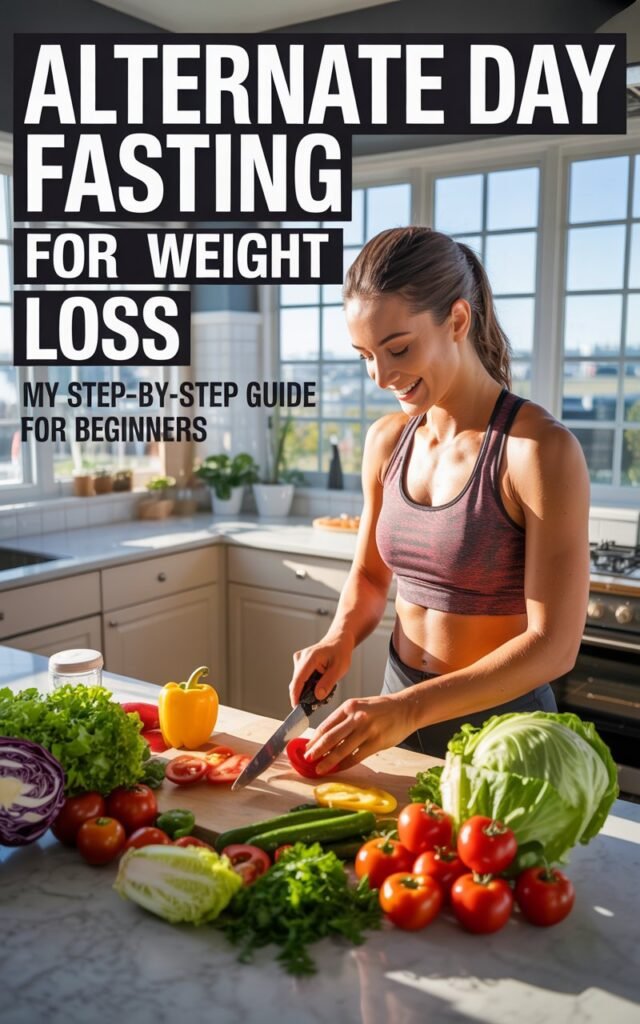
What drew me in was the simplicity. Instead of restricting myself every single day, alternate day fasting gave me clear boundaries. Some days were lighter and intentional.
Other days were balanced and nourishing. That rhythm made dieting feel less suffocating and more strategic.
In this post, I’m going to break down exactly how I use alternate day fasting, how I structure it safely, what I eat, how I train, and the mistakes I made in the beginning so you don’t repeat them.
If you’re looking for a disciplined but realistic approach to fat loss, this might be the structure you’ve been missing.
Disclaimer: This post contains affiliate links. If you make a purchase through these links, we may earn a small commission at no extra cost to you.
Amazon Shopping List: Alternate Day Fasting for Weight Loss
- Digital Food Kitchen Scale
Helps you accurately track portions on eating days for better results.
BUY NOW ON AMAZON - Meal Prep Containers (BPA-Free)
Makes it easy to plan and store meals for fasting and eating days.
BUY NOW ON AMAZON - Reusable Water Bottle
Keeps you hydrated during fasting periods and supports metabolism.
BUY NOW ON AMAZON - Herbal Tea Variety Pack
Great for staying satisfied and reducing hunger during fasting hours.
BUY NOW ON AMAZON - Fitness Tracker Watch
Helps monitor activity, calories burned, and overall progress.
BUY NOW ON AMAZON
Why I Chose Alternate Day Fasting for Weight Loss

I chose alternate day fasting because I wanted a simple, structured approach to weight loss without constantly thinking about food or strict dieting every single day.
Instead of restricting myself all the time, this method gave me a clear rhythm—some days I eat normally, and other days I focus on reducing my intake.
What really attracted me to it was how flexible it felt. I didn’t have to cut out my favorite foods completely, and I still had room to enjoy meals while staying in a calorie deficit over time.
That balance made it easier for me to stay consistent without feeling overwhelmed.
Another reason I chose alternate day fasting is because it helped me become more mindful of my eating habits.
On fasting days, I became more aware of hunger cues and learned the difference between real hunger and emotional eating.
I also liked how it simplified my routine. I spent less time worrying about constant meal planning and snacking, which helped me stay more focused and disciplined with my overall weight loss goals.
1. What Alternate Day Fasting Really Means (And Why Most People Get It Wrong)

When I first heard about alternate day fasting, I assumed it meant starving every other day.
That’s the biggest misconception — and it’s why many people either quit too early or do it incorrectly.
Alternate Day Fasting (ADF) is a structured eating pattern where you rotate between:
- A lower-calorie fasting day
- A normal, balanced eating day
There are two main approaches:
Strict ADF:
Fasting days involve zero calories, followed by a normal eating day.
Modified ADF (what I personally use):
Fasting days allow about 400–600 calories, usually focused on protein and fiber.
I chose the modified approach because it protects muscle mass, keeps energy stable, and is far more sustainable long term.
The goal of alternate day fasting is not punishment.
It’s structured calorie control.
Instead of trying to eat less every single day — which often leads to burnout — ADF builds a weekly calorie deficit naturally through alternating intake. That structure is what makes it powerful.
Before I even started, I made one rule for myself:
If I couldn’t see myself doing it calmly and consistently for 4–6 weeks, I wouldn’t do it at all.
And that mindset changed everything.
2. Why Alternate Day Fasting Works for Weight Loss (The Science Made Simple)

Before I committed to alternate day fasting, I needed to understand why it works.
I don’t follow methods just because they’re popular. I wanted something logical — something that made metabolic sense.
Here’s what I learned.
1. It Naturally Lowers Your Weekly Calorie Intake
Weight loss ultimately comes down to a calorie deficit. But what makes ADF different is how that deficit is created.
Instead of eating slightly less every single day (which can feel draining), alternate day fasting creates a larger deficit on fasting days and balances it with normal intake on eating days.
Over the course of a week, this often leads to a consistent reduction in total calories — without the constant feeling of restriction.
For me, this felt mentally easier. I wasn’t “dieting” daily. I was following a rhythm.
2. It Improves Insulin Sensitivity
When we eat frequently — especially refined carbs — insulin levels stay elevated. Elevated insulin makes fat storage easier and fat burning harder.
On fasting days, insulin levels drop. This allows the body to shift from storing energy to accessing stored fat for fuel.
I noticed this shift not just on the scale, but in reduced bloating and steadier energy levels.
3. It Encourages Fat Oxidation
When calorie intake drops significantly on fasting days, the body compensates by increasing fat oxidation — meaning it becomes more efficient at burning fat for energy.
This doesn’t happen instantly. It improves with consistency. After a few weeks, I felt my body adapting. Hunger became more manageable. Energy became steadier.
4. It Creates Structure (Which Most Diets Lack)
This might be the most underrated benefit.
Many weight loss plans fail because they rely too heavily on willpower. Alternate day fasting removes daily decision fatigue.
On fasting days, I know exactly what the goal is.
On eating days, I focus on balanced nourishment.
There’s no guessing. No constant internal negotiation.
And for someone juggling work, family routines, cooking, and training — that structure reduced stress around food more than I expected.
The key is understanding this:
Alternate day fasting works because of consistency and structure, not extremes.
In the next section, I’ll show you exactly how I structured my weekly schedule so it felt sustainable instead of overwhelming.
3. How I Structured My Alternate Day Fasting Schedule
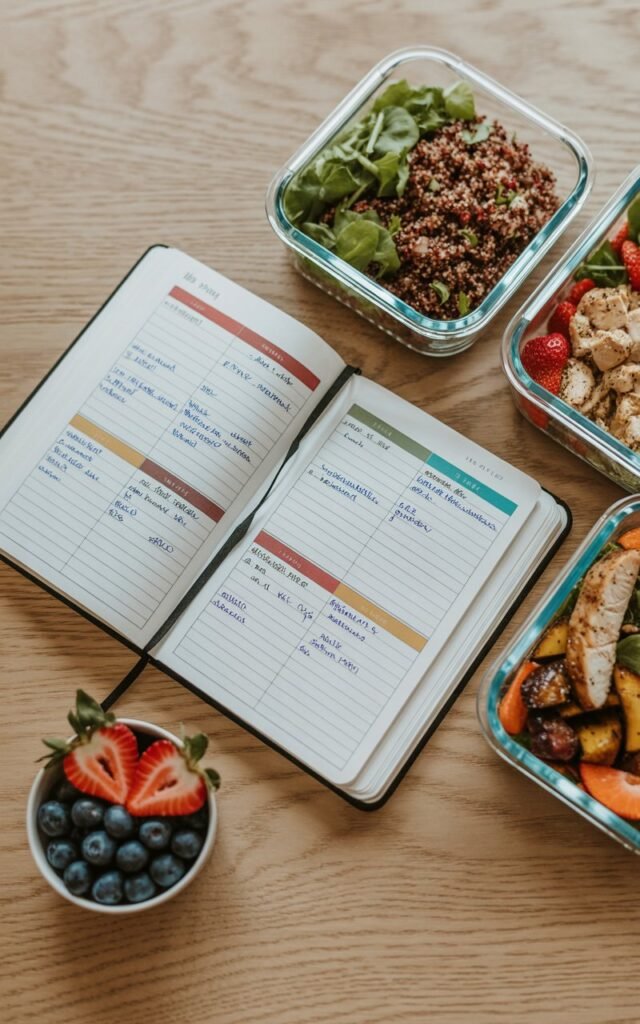
When I first started, I knew I needed a schedule that actually fit my life.
I wasn’t looking to follow a strict lab experiment — I wanted results I could maintain without feeling drained.
Here’s what my typical week looks like:
Monday – Fasting Day (≈500 calories)
Tuesday – Normal Eating Day
Wednesday – Fasting Day
Thursday – Normal Eating Day
Friday – Fasting Day
Saturday & Sunday – Flexible, mindful eating
A few key points that helped me stick with it:
- I didn’t fast every single week.
I followed 4–6 weeks of ADF, then took 1–2 weeks as a maintenance break. This keeps my metabolism healthy and prevents burnout. - I planned meals ahead for fasting days.
Knowing exactly what I would eat reduced temptation to overeat or snack mindlessly. - Flexibility is essential.
Life happens. If a social event falls on a fasting day, I adjust and don’t punish myself. Consistency over time matters more than perfection day to day. - I tracked my energy and hunger.
If I felt weak or overly hungry, I added an extra 50–100 calories from protein or vegetables. It’s a balance, not a starvation test.
By setting up a clear, realistic schedule, I didn’t have to think too hard about eating — which, honestly, was the biggest mental relief.
4. What I Eat on Fasting Days (And Why It Makes All the Difference)

This is where most people struggle when they try alternate day fasting.
They think fasting days mean no food at all, or they grab whatever’s convenient — chips, coffee, or sugary snacks. That’s a quick way to feel miserable and give up.
I follow a modified fasting day, around 400–600 calories, focused on foods that keep me full, energized, and satisfied. Here’s what works for me:
1. Prioritize Protein
Protein keeps hunger manageable and preserves muscle. On fasting days, I usually include:
- Greek yogurt
- Eggs or egg whites
- Lean chicken or turkey slices
- Plant-based protein like tofu
2. Include Fiber and Volume Foods
Fiber-rich foods add bulk, so I feel fuller without eating many calories. My favorites:
- Leafy greens (spinach, kale)
- Broccoli, cauliflower, zucchini
- Berries and other low-calorie fruits
- Chia seeds or flaxseed
3. Healthy Fats (Measured)
A small amount of healthy fat slows digestion and curbs sudden hunger spikes:
- A teaspoon of olive oil
- A small handful of nuts
- Avocado slices
4. Hydration and Zero-Calorie Drinks
Staying hydrated is essential. I often drink:
- Water (still or sparkling)
- Herbal teas
- Black coffee (no sugar or cream)
5. Sample 500-Calorie Fasting Day
Breakfast:
- ½ cup Greek yogurt + 1 tsp chia seeds + handful of berries
Lunch:
- Large salad: leafy greens, 3 oz grilled chicken, 1 tsp olive oil, lemon juice
Snack (optional):
- Herbal tea or sparkling water
Notice there’s no deprivation. I eat satisfying portions, but carefully measured calories keep the fast effective.
This is a huge reason why I stuck with ADF long-term — I wasn’t miserable, my energy stayed stable, and I still got results.
5. What I Eat on Normal Eating Days (Without Overdoing It)
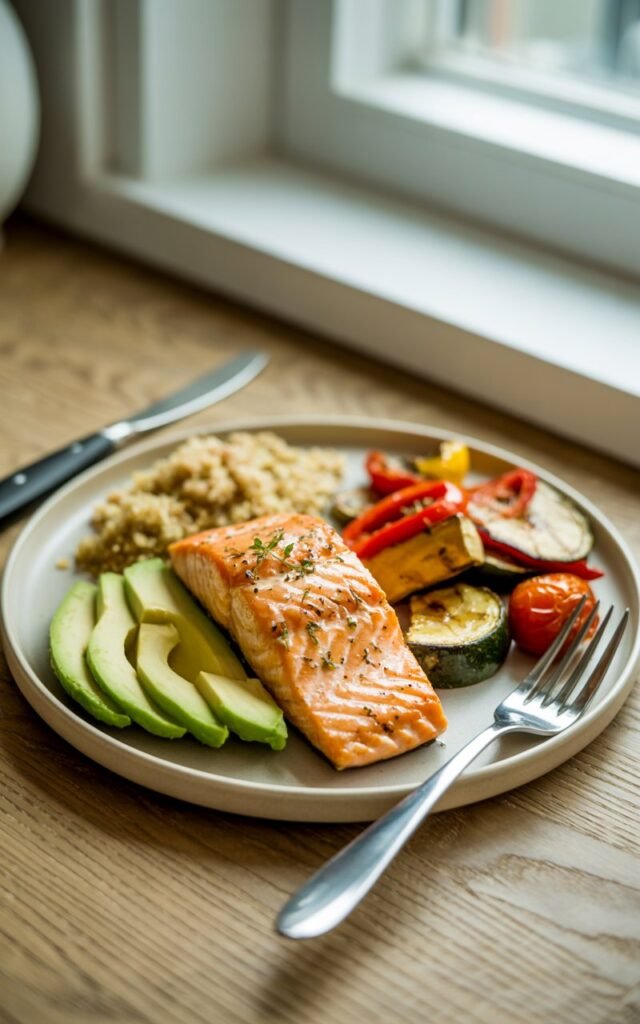
The biggest mistakes I see people make with alternate day fasting is bingeing on eating days.
They think, “I fasted yesterday, I can eat whatever I want today.” That mindset can undo all your hard work.
For me, “normal” eating days are balanced, nourishing, and satisfying — not about restriction, but about smart choices.
1. Focus on Protein and Lean Sources
Protein supports muscle recovery, especially if you’re working out. My go-to options:
- Eggs and egg whites
- Chicken, turkey, or fish
- Tofu, tempeh, or legumes
2. Include Complex Carbs
Carbs are fuel. On eating days, I aim for slow-digesting options that keep energy steady:
- Brown rice or quinoa
- Sweet potatoes
- Oats
- Whole-grain bread
3. Add Healthy Fats
Healthy fats improve satiety and support overall health:
- Olive oil or avocado
- Nuts and seeds
- Fatty fish like salmon
4. Plenty of Vegetables and Fiber
Veggies aren’t optional. They keep meals voluminous, nutrient-dense, and low in calories:
- Leafy greens
- Broccoli, zucchini, peppers
- Cucumbers, carrots, cauliflower
5. Sample Eating Day Menu
Breakfast:
- Scrambled eggs + avocado + whole-grain toast
Lunch:
- Grilled salmon + quinoa + steamed broccoli
Snack:
- Greek yogurt + nuts + berries
Dinner:
- Lean protein (chicken or tofu) + roasted vegetables + small sweet potato
The key is mindful eating, not restriction. I eat until I’m satisfied, not stuffed.
Over time, my body adapted — I naturally ate fewer calories than I would have without ADF, and fat loss became steady and consistent.
6. How I Exercise While Doing Alternate Day Fasting

When I first started alternate day fasting, I made a mistake many beginners do:
I tried to push intense workouts on fasting days.
Big mistake. I felt drained, dizzy, and frustrated — and it almost made me quit.
I learned how to align workouts with my energy levels, and it made all the difference.
1. Fasting Days = Light Movement
On fasting days, I keep exercise gentle:
- Walking or light jogging
- Yoga or stretching
- Low-intensity cycling
- Mobility drills
These activities keep me moving without burning me out. The goal isn’t to crush a personal best; it’s to stay active while my calorie intake is lower.
2. Eating Days = Strength & Intense Workouts
On normal eating days, I go all in:
- Strength training (bodyweight, dumbbells, or resistance bands)
- HIIT workouts
- Core routines and progressive overload exercises
I have energy to lift heavier, push harder, and recover faster because I fueled my body.
3. Listen to Your Body
ADF is flexible. If a fasting day feels unusually low-energy, I:
- Reduce intensity
- Add 50–100 extra calories (protein or veggies)
- Focus on active recovery instead of pushing for performance
Over time, I noticed my stamina improved. My body adapted to using stored fat efficiently, and workouts became easier to manage — even on fasting days.
7. Who Should NOT Do Alternate Day Fasting & Common Mistakes I Made

Alternate Day Fasting isn’t for everyone.
When I first started, I ignored a few warning signs and learned the hard way that ADF works best for the right people — and only if done correctly.
Who Should Avoid ADF
ADF is not ideal for:
- Pregnant or breastfeeding women – Your body needs consistent nutrition for you and your baby.
- Teenagers – Growth and hormones require regular meals.
- Anyone with a history of eating disorders – Restrictive patterns can trigger relapse.
- People with uncontrolled diabetes – Blood sugar swings can be dangerous.
- Underweight individuals – Fasting days can push your calories too low.
The key is that weight loss should improve health, not create risk.
If you fall into any of these categories, it’s better to explore other structured eating plans.
Disclaimer: I am not a doctor or registered dietitian. This post is for educational purposes only. Always consult a healthcare professional before starting any fasting plan, especially if you have medical conditions or are pregnant, breastfeeding, or under 18.
Common Mistakes I Made (So You Don’t Have To)
- Starting too aggressively – I jumped into fasting 3–4 days a week at full intensity. My body rebelled. Start slow.
- Not eating enough protein – Hunger spikes hit me hard. Protein keeps fasting days manageable.
- Overtraining on fasting days – I tried HIIT when I had only 400 calories in me. Bad idea.
- Skipping hydration – I underestimated water. Staying hydrated reduces hunger and fatigue.
- Skipping maintenance breaks – Going back-to-back for weeks led to fatigue. Breaks help hormones reset.
By learning from these mistakes, I finally found a sustainable rhythm — and that’s what allowed fat loss to happen consistently.
You Will Also Like These Weightloss Tips.

- 16:8 Intermittent Fasting for Weight Loss
- 10 Foods to Eat to Speed Up Weight Loss
- 5 Tips for Easy, Drastic Weight Loss
FAQ: Alternate Day Fasting for Weight Loss
1. What is alternate day fasting?
It is an eating pattern where you alternate between normal eating days and reduced-calorie or fasting days.
2. Does alternate day fasting help with weight loss?
Yes, it can help create a calorie deficit, which is key for fat loss.
3. What do you eat on fasting days?
Some people eat very low-calorie meals, while others stick to light foods like soups, fruits, or protein shakes.
4. Is alternate day fasting safe?
It can be safe for many people, but it’s important to listen to your body and consult a healthcare professional if needed.
5. How fast can you lose weight with alternate day fasting?
Results vary, but consistent calorie control over time leads to gradual and sustainable fat loss.
6. Can I exercise while doing alternate day fasting?
Yes, but it’s best to keep workouts light on fasting days and more intense on eating days.
7. Who should avoid alternate day fasting?
It may not be suitable for pregnant women, people with medical conditions, or those with a history of eating disorders.
Final Thoughts

Alternate Day Fasting isn’t magic. It’s not about starving yourself, skipping meals, or obsessing over every calorie.
For me, it became a structured, realistic way to lose fat without feeling deprived.
The biggest change wasn’t just physical. It was mental. I stopped worrying about eating perfectly every day.
I stopped measuring my self-worth by the scale. Instead, I followed a rhythm: some days lighter, some days nourishing, and all days intentional.
What made ADF work for me:
- Consistency over perfection – I focused on doing it week after week, not obsessing over a single day.
- Smart food choices – Protein, fiber, and hydration kept me full and energized.
- Workout alignment – Intense training on eating days, gentle movement on fasting days.
- Flexibility – Life happens. Adjustments are okay.
If you’re disciplined, patient, and willing to focus on balance rather than extremes, alternate day fasting can be a powerful tool for fat loss.
It taught me how to eat, move, and live more mindfully — without the constant stress of dieting.
Remember, it’s not about doing it perfectly. It’s about doing it smartly and sustainably.
And that’s the only way weight loss lasts.