Last year, I hit a point where I was eating “healthy” but the scale wasn’t moving.
I wasn’t overeating junk, I wasn’t skipping workouts — yet my body felt stuck.
My meals were balanced. I was choosing grilled over fried, water over soda, and I even stopped late-night desserts.
I was doing what every wellness article says to do. But every time I stepped on the scale, the number barely shifted. It was frustrating in a quiet, confusing way.
What bothered me most wasn’t the weight itself — it was the feeling that I was putting in effort without understanding what my body actually needed.
That’s when I started researching 16:8 intermittent fasting.
At first, I was skeptical. I had always believed breakfast was “non-negotiable.”
I worried it would slow my metabolism or make me tired and irritable.
But the more I read, the more I realized this wasn’t about skipping meals randomly. It was about timing.

What drew me in wasn’t a dramatic before-and-after photo or a quick-fix promise. It was the structure. A simple eating window.
No calorie obsession. No complicated macro tracking. No cutting out entire food groups. Just defined boundaries around when I ate.
For someone juggling work, family routines, and everyday life, that simplicity felt powerful.
But what surprised me most?
It wasn’t just about weight loss.
Within weeks, I noticed something deeper: fewer cravings, clearer hunger signals, and a calmer relationship with food.
I wasn’t constantly thinking about my next snack. I wasn’t grazing out of boredom.
My meals felt intentional instead of automatic.
That’s when I realized this approach wasn’t just changing my body — it was changing my habits.
And that shift made all the difference.
Disclaimer: This post contains affiliate links. If you make a purchase through these links, we may earn a small commission at no extra cost to you.
Shop These Amazon Products For Your Intermittent Fasting
- Digital Food Kitchen Scale
Helps accurately track meals and portion sizes during fasting and eating windows.
BUY NOW ON AMAZON - Meal Prep Containers (BPA-Free)
Makes planning and storing healthy meals easier for intermittent fasting schedules.
BUY NOW ON AMAZON - Reusable Water Bottle
Keeps you hydrated throughout fasting periods to support metabolism and energy.
BUY NOW ON AMAZON - Resistance Bands Set
Perfect for at-home workouts that complement your intermittent fasting weight loss plan.
BUY NOW ON AMAZON - Fitness Tracker Watch
Helps monitor activity, calorie burn, and progress during intermittent fasting routines.
BUY NOW ON AMAZON
What 16:8 Intermittent Fasting Actually Is (And Why It’s Different From Dieting)
After those first few weeks of experimenting, I realized I needed to truly understand what I was doing — not just follow a trend.
So here’s what 16:8 intermittent fasting actually means in practical terms.
The “16” represents 16 hours of fasting.
The “8” represents an 8-hour eating window.
That’s it.
For me, that looked like:
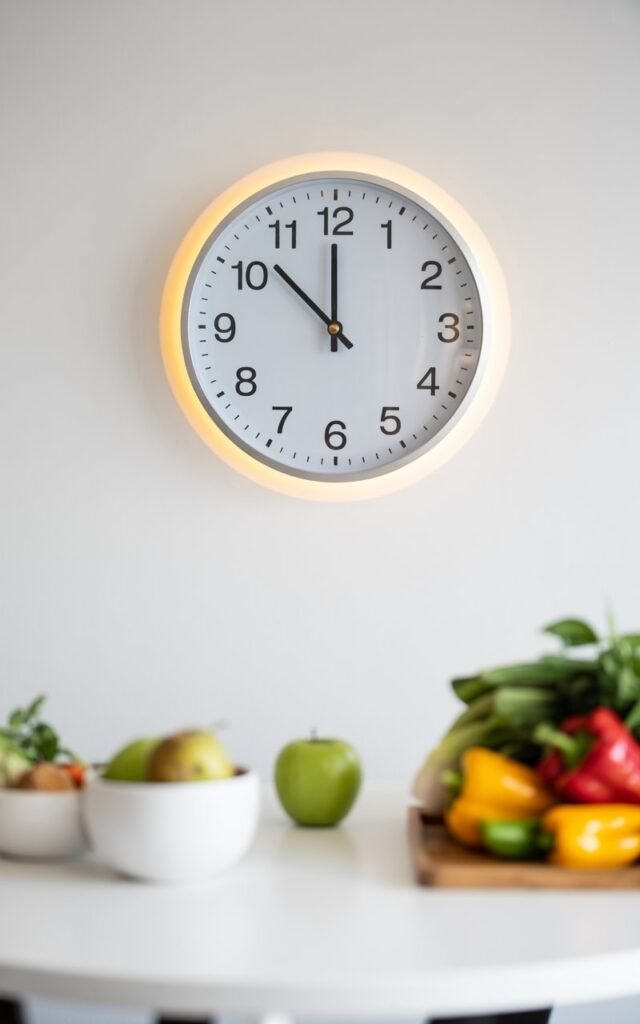
- Finishing dinner by 8:00 PM
- Breaking my fast at 12:00 PM the next day
No food during those 16 hours — just water, black coffee, or unsweetened tea.
What makes this approach different from traditional dieting is that it focuses on when you eat, not necessarily what you eat.
Most diets try to control:
- Calories
- Carbs
- Fats
- Portions
16:8 focuses on timing.
And that timing matters because of something called insulin.
Every time we eat — especially carbohydrates — our insulin levels rise. Insulin’s job is to help move glucose (sugar) from the bloodstream into cells for energy.
But when insulin stays elevated throughout the day from constant snacking or frequent meals, the body becomes less efficient at accessing stored fat.
When you extend the time between meals, insulin levels have a chance to drop. In that lower-insulin state, the body can more easily tap into stored fat for energy.
That doesn’t mean your body suddenly melts fat overnight.
It means you’re giving it a metabolic environment that supports fat burning instead of constant storage.
Another important concept I learned is something called metabolic flexibility — your body’s ability to switch between burning carbohydrates and burning fat.
Many of us lose this flexibility because we eat so frequently. Fasting gently retrains that system.
But here’s what I appreciated most:
There were no forbidden foods.
No complicated charts.
No weighing every bite.
It was structured — but not restrictive.
And for the first time in a long while, that structure felt sustainable instead of exhausting.
Why 16:8 Intermittent Fasting Works for Weight Loss (The Science Explained Simply)

When I first started 16:8, I didn’t want hype. I wanted logic. I needed to understand why adjusting my eating window could possibly change anything when I was already eating “healthy.”
Here’s what I learned — broken down simply.
1. It Naturally Reduces Mindless Calories (Without Counting)
Before 16:8, I didn’t think I was overeating. But when I really looked at my day, I noticed the small things:
- A handful of nuts while cooking
- A bite of my kids’ leftovers
- Late-night snacks while watching TV
None of those felt significant in the moment. But together, they added up.
By closing my kitchen at 8 PM and delaying my first meal, I automatically removed those extra eating opportunities. Not by force — by structure.
And structure quietly creates a calorie deficit without obsession.
2. It Improves Insulin Sensitivity Over Time
Every time we eat, insulin rises. When we eat frequently — breakfast, snacks, lunch, snacks, dinner, dessert — insulin stays elevated most of the day.
When insulin is high, the body prioritizes storing energy.
When insulin drops, the body can access stored fat.
By extending the fasting window, insulin has more time to return to baseline.
Over weeks and months, this may improve insulin sensitivity — meaning your body becomes more efficient at using energy instead of storing it.
This isn’t a quick change. It’s a gradual metabolic adjustment.
But that steady shift matters — especially as we age.
3. Hunger Hormones Adapt
This part surprised me.
I assumed I’d feel starving every morning.
But hunger is largely hormonal — driven by ghrelin — and ghrelin follows patterns.
If you always eat at 7 AM, your body releases hunger signals around 7 AM.
When I consistently delayed breakfast, my hunger signals shifted too.
After about 10–14 days, mornings felt normal again. I had energy.
I could focus. I wasn’t obsessing over food.
That adaptation phase is where many people quit.
But once your body adjusts, fasting feels far less dramatic.
4. It Encourages Fat Burning Windows
During the fasting period, once your body uses stored glycogen (carbohydrates stored in the liver), it gradually shifts toward using fat for energy.
This doesn’t mean you’re burning pure body fat all 16 hours.
It means you’re increasing the time your body spends in a fat-utilizing state compared to eating all day long.
Small shifts over time create noticeable results.
5. It Supports Metabolic Flexibility
Many of us have become metabolically “carb dependent” — constantly needing a snack to maintain energy.
By fasting daily, even for 16 hours, your body relearns how to:
- Maintain stable energy without constant input
- Switch between fuel sources
- Avoid dramatic blood sugar crashes
I noticed fewer afternoon slumps and fewer intense cravings.
That steadiness made weight loss feel calmer — not like a battle.
6. It Builds Awareness Around Emotional Eating
This isn’t strictly biological — but it’s powerful.
When you remove automatic breakfast or late-night snacking, you’re forced to ask:
“Am I actually hungry?”
That question alone changed my habits more than any diet ever did.
I started recognizing:
- Stress eating
- Boredom eating
- Habit eating
And awareness is the first step to control.
The Honest Truth
16:8 intermittent fasting works for weight loss because it combines:
- Structured eating windows
- Reduced calorie exposure
- Improved insulin dynamics
- Hormonal adaptation
- Behavioral awareness
It’s not extreme.
It’s not magic.
It’s not starvation.
It’s consistency applied to timing.
And that timing, over months — not days — creates change.
Check Out These Related Weightloss Tips.
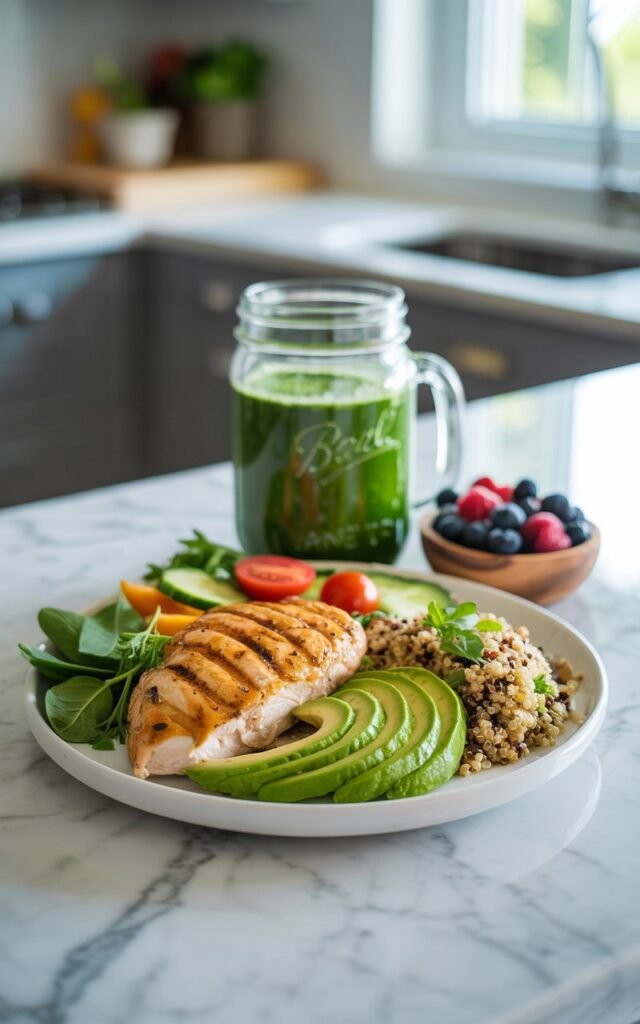
- How To Use Alternate Day Fasting for Weight Loss
- 10 Foods to Eat to Speed Up Weight Loss
- 5 Tips for Easy, Drastic Weight Loss
The Mistakes I Made When Starting 16:8 (And What I Learned)

Even with all the research, I didn’t get it right immediately.
These early mistakes could have made me quit — but recognizing them made all the difference.
Mistake 1: Jumping Straight Into 16 Hours
I was excited and impatient. I thought I could fast from 8 PM to 12 PM the next day right away.
Reality: I felt drained, irritable, and dizzy.
Lesson: Ease in. Start with 12:12, then 14:10, and finally 16:8. Let your body adapt gradually.
Mistake 2: Overeating During My Eating Window
I assumed fasting gave me “permission” to eat anything once the clock hit 12 PM. That led to overeating, bloating, and guilt.
Lesson: Fasting isn’t a free pass. Focus on balanced meals with protein, fiber, and healthy fats.
Intentional eating beats uncontrolled indulgence.
Mistake 3: Ignoring Hydration and Electrolytes
Those first few days? Headaches, fatigue, and strange cravings.
I thought it was hunger, but it was mild dehydration and low electrolytes.
Lesson: Drink water, herbal teas, and add a pinch of salt or a low-sugar electrolyte if needed.
Fasting is easier when your body is hydrated.
Mistake 4: Skipping Strength Training
I assumed cardio alone would be enough. Big mistake.
Without strength work, my body felt “soft” and I lost muscle tone instead of building lean shape.
Lesson: Pair 16:8 with strength or resistance training 2–3 times per week.
It protects muscle while promoting fat loss.
Mistake 5: Being Too Rigid
I stressed about staying exactly 16 hours every single day.
Birthdays, family brunches, and late nights made me anxious.
Lesson: Flexibility is key.
Missing a window here or there won’t ruin progress. Life happens — 80% consistency is enough.
How to Start 16:8 Intermittent Fasting the Right Way (Step-by-Step Plan)

Here’s what worked for me — practical and realistic.
Step 1: Pick Your Eating Window
- Start with 12:12 or 14:10 if you’re new
- Gradually move to 16:8
Step 2: Plan Your Meals
- Focus on protein, fiber, and healthy fats
- Keep meals balanced, not overly restrictive
Step 3: Hydrate During the Fast
- Water, black coffee, and herbal tea are your best friends
- Optional electrolytes for headaches or fatigue
Step 4: Track Your Energy, Not Just Weight
- Notice how you feel mid-morning, mid-afternoon, and evening
- Adjust your meals and window based on energy, not just the scale
Step 5: Incorporate Strength or Resistance Work
- 2–3 sessions weekly
- Focus on compound moves: squats, lunges, push-ups, rows
Step 6: Be Consistent but Flexible
- Aim for 80% adherence, not perfection
- Enjoy social meals; adjust your window when needed
Step 7: Reflect and Adjust Every 2–4 Weeks
- Track progress: weight, measurements, energy, mood
- Fine-tune window, meal composition, and workout schedule
What I Eat During My 8-Hour Window (Real Meals That Actually Work)
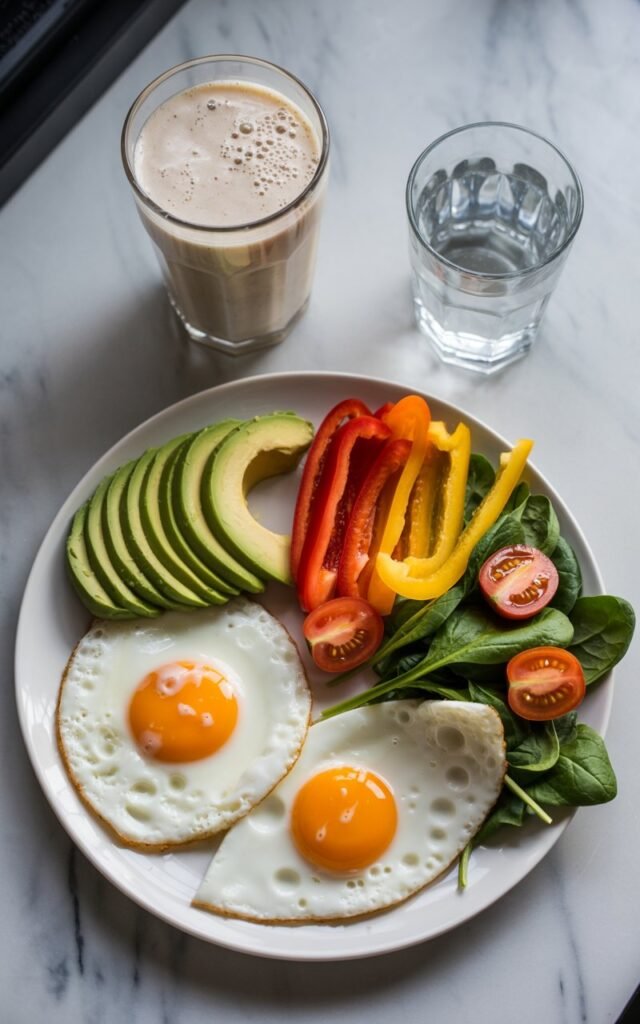
Once I settled into 16:8, the biggest challenge wasn’t the fasting — it was making the meals count.
I realized that how I structured my eating window determined how energetic I felt, how satisfied I was, and how steadily the weight came off.
Here’s what a typical day looks like for me:
First Meal (Breaking the Fast – Around 12 PM)
This is the most important meal of the day.
I aim for protein, fiber, and healthy fats to stabilize blood sugar and keep me full.
- Example:
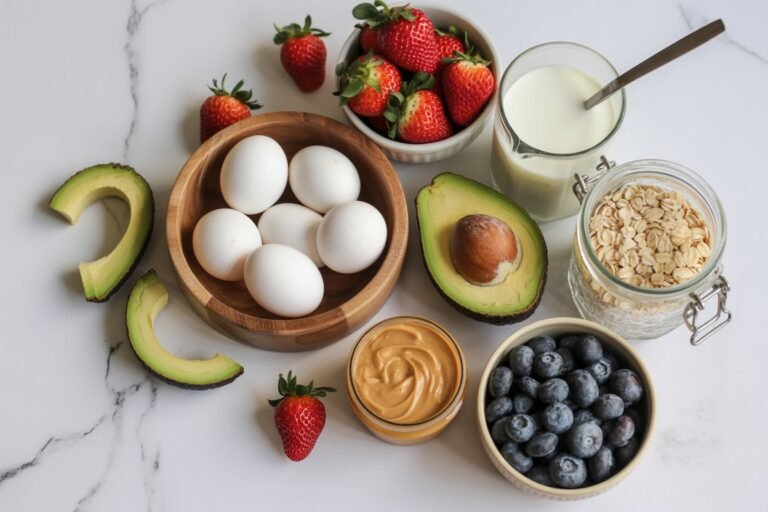
- 2 boiled eggs or scrambled eggs with spinach
- Half an avocado
- A small handful of berries or cherry tomatoes
- Green tea or black coffee
This meal gives me energy without a crash.
I’ve learned that skipping protein here leads to mid-afternoon cravings.
Second Meal (Afternoon / Early Evening – Around 3–4 PM)
I keep this balanced but colorful.
Protein is again the focus, paired with fiber-rich carbs and vegetables.
- Example:
- Grilled chicken or salmon
- Quinoa or sweet potato
- Roasted or sautéed veggies (broccoli, bell peppers, zucchini)
- Olive oil drizzle or a few nuts
This meal keeps my energy steady for the evening and prevents me from overeating at dinner.
Optional Snack (If Needed Before Window Closes – Around 7 PM)
I rarely need a snack, but sometimes I enjoy a small protein-based option.
- Example:
- Greek yogurt with cinnamon
- A protein shake
- A small handful of almonds or walnuts
The key here is portion control.
Even though fasting reduces appetite, this snack helps prevent late-night cravings and supports recovery if I’ve worked out earlier in the day.
Dinner (End of Eating Window – 7:30–8 PM)
My dinner is always satisfying but not heavy. I treat this as a balanced wrap-up of the day.
- Example:
- Stir-fried tofu or chicken with mixed vegetables
- Cauliflower rice or a small portion of brown rice
- A drizzle of olive oil and lemon for flavor
I make sure the kitchen “closes” by 8 PM. After that, it’s water, herbal tea, or black coffee only.
This boundary keeps my fasting window sacred without feeling restrictive.
Tips That Changed Everything
- I prep meals in advance — having meals ready prevents impulse snacking.
- I eat slowly and mindfully — paying attention to hunger cues.
- I don’t obsess over “perfect” macros — it’s about balance, not perfection.
- I allow flexibility — brunch with friends? I adjust my window, no guilt.
By structuring my meals this way, I felt full, energized, and consistent throughout the day — all without counting calories or starving myself.
The Emotional Side No One Talks About

When I first started 16:8 intermittent fasting, I thought the challenge would be purely physical — skipping breakfast, waiting for lunch, resisting snacks.
What I didn’t expect was how much it would reshape my relationship with food.
1. Recognizing Habit vs. Hunger
Before fasting, I often ate out of habit rather than need.
- A handful of chips while cooking
- Late-night ice cream while scrolling on my phone
- Snacking “just because it was there”
Fasting forced me to pause and ask:
“Am I actually hungry, or am I just eating because it’s convenient?”
That tiny moment of awareness changed my approach completely. I started listening to my body instead of reacting automatically.
2. Emotional Eating Becomes Clearer
I noticed patterns I hadn’t recognized before:
- Stress eating when work was overwhelming
- Boredom eating during the evenings
- Reward eating after a long day
By skipping the early meal and closing the kitchen at night, I began to see my triggers more clearly.
Fasting didn’t just limit food intake — it revealed emotional habits that were sabotaging my progress.
3. Feeling Calm Around Food
After a few weeks, something unexpected happened: I stopped thinking about food constantly.
- Mornings weren’t plagued with hunger anxiety
- Midday cravings became manageable
- Meals became purposeful rather than rushed or distracted
That calmness alone made fasting sustainable. Losing weight was no longer stressful — it became a natural rhythm in my day.
4. Confidence Boost
There’s a subtle confidence that comes from controlling your schedule — not obsessing over calories, but mastering your eating windows.
I felt empowered knowing I could go from dinner to lunch the next day without a meltdown.
That sense of control spilled over into other parts of my life: workouts, sleep, and daily productivity.
Key Takeaway
16:8 isn’t just a weight-loss tool — it’s a habit and mindset reset.
The mental clarity and emotional awareness it brings are as valuable as the fat loss.
For me, this was the biggest transformation:
I wasn’t just losing weight.
I was learning how to eat with intention, listen to my body, and enjoy food without guilt.
How I Made 16:8 Work With Family Life

At first, I worried that intermittent fasting would clash with family meals — breakfast with my kids, early dinners, weekend brunches.
I thought I’d have to miss out or feel left out.
Here’s what actually worked for me:
1. Shift, Don’t Skip
I didn’t skip meals with my family; I simply shifted my eating window.
- Breakfast? I let my kids eat theirs while I drank water or black coffee.
- Lunch? I timed my first meal around my family’s schedule.
- Dinner? Always together — the main family meal became part of my 8-hour window.
This approach kept me connected without breaking my fasting rhythm.
2. Flexible Weekend Windows
Weekends are social. Brunch, family outings, or late-night dinners happen.
- Instead of stressing, I adjust my eating window for that day.
- For example, if brunch is at 11 AM, I start eating then and close the window 8 hours later.
Fasting works best when it’s consistent, but flexibility prevents burnout and guilt.
3. Meal Prep Helps
Having meals ready makes sticking to 16:8 easier, especially with kids.
- Prepped vegetables, proteins, and healthy snacks mean I’m not scrambling or grabbing convenience foods.
- This also models healthy habits for my family — they see me eating balanced meals without obsessing over every bite.
4. Quiet Time for Myself
I discovered that fasting can also be a small act of self-care.
- Early mornings or mid-mornings without eating are my “quiet moments” while the house is still.
- It gives me focus and energy to plan the day, tackle chores, or do a quick workout before meals.
5. Keep Perspective
The key is: 16:8 shouldn’t disrupt life, it should enhance it.
- Missing the early breakfast? No problem.
- Eating dinner with family? Perfect — it counts toward the window.
- Social events? Adjust and enjoy.
By treating fasting as a flexible framework instead of a rigid rule, it became sustainable and stress-free — something I could maintain long-term.
How Long It Took to See Results
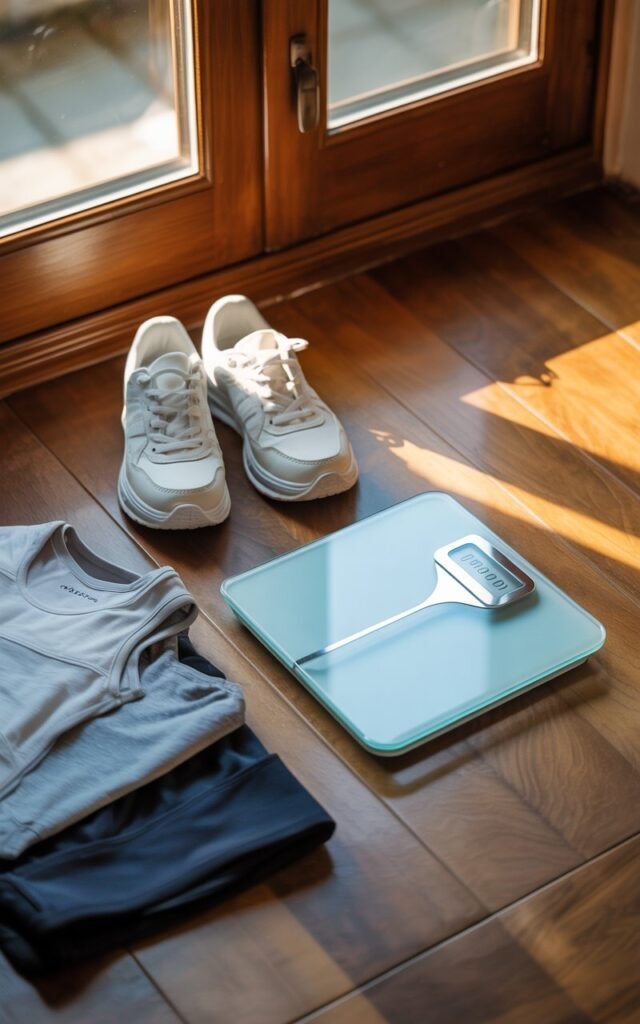
One of the first questions everyone asks me about 16:8 is:
“How quickly will I see results?”
The truth? It depends — and it’s rarely overnight. But here’s my personal experience, so you know what’s realistic.
Week 1: Adjusting and Noticing Small Changes
The first week was mostly about adaptation.
- I noticed slight reductions in bloating.
- Hunger signals shifted — mornings weren’t unbearable anymore.
- Energy levels were a little inconsistent as my body adjusted.
No dramatic weight loss yet. And that’s okay — this phase is all about teaching your body the new rhythm.
Weeks 2–4: Appetite Stabilizes
By week two or three:
- Midday cravings became manageable.
- I felt less “hangry” between meals.
- My energy was steadier, especially in the afternoons.
Some people see a pound or two drop in weight.
I noticed clothes fitting more comfortably, even if the scale hadn’t budged much.
Weeks 6–8: Visible Changes
After about 6–8 weeks of consistent fasting:
- I started noticing fat loss, especially around my midsection.
- I felt leaner and more toned — even without dramatic changes to my diet.
- Workouts became easier because energy levels were steadier.
The key here: progress was gradual, sustainable, and predictable. Not flashy, but real.
Why Patience Matters
16:8 works because it’s a long-term lifestyle adjustment, not a crash diet.
- Fasting creates a metabolic environment for fat loss.
- Habits form slowly — from meal timing, to meal quality, to emotional awareness.
- Results compound over weeks and months, not days.
This is what makes it sustainable.
Quick fixes might feel exciting, but the weight usually comes back. 16:8 is about steady, lasting change.
Who 16:8 Intermittent Fasting Is Great For (And Who Should Be Careful)

After months of practicing 16:8, I realized it’s not a one-size-fits-all approach.
Some people thrive on it, while others need extra care. Here’s what I learned.
Who It Works Well For
- Busy Moms and Professionals
- If your mornings are hectic and you barely have time for breakfast, a structured eating window can simplify your day.
- I found that skipping breakfast freed up mental space to focus on work, kids, and routines without constant snack cravings.
- Women Over 40
- Metabolism slows naturally with age, and fat tends to accumulate around the midsection.
- 16:8 supports metabolic efficiency and helps regulate insulin, making fat loss more achievable without extreme dieting.
- People Who Snack Out of Habit
- Late-night snacking or mindless munching often sabotages progress.
- By defining when to eat, the body learns to recognize real hunger vs. habit-driven eating.
- Anyone Who Hates Counting Calories
- I’m not a fan of obsessing over numbers, and 16:8 works beautifully without calorie tracking.
- It’s about timing, quality meals, and awareness — not restriction or deprivation.
Who Should Be Careful or Seek Guidance
- People With Medical Conditions
- Diabetes, blood sugar issues, or hormonal imbalances can make fasting risky.
- Always consult a healthcare professional before starting.
- Those With a History of Disordered Eating
- Fasting can trigger unhealthy behaviors if you’ve struggled with restrictive eating patterns in the past.
- Pregnant or Breastfeeding Women
- Nutritional needs are higher. Restrictive eating windows may not provide adequate energy for mom and baby.
- Athletes or High-Intensity Trainers (Initially)
- Fasting can work, but you may need to adjust meal timing around workouts to maintain energy and performance.
Key Takeaway
16:8 intermittent fasting isn’t a rigid rule or magic solution.
It works best when it’s adapted to your lifestyle and body.
For me, understanding these boundaries made fasting safe, effective, and sustainable — and that mindset is what makes the results last.
My Practical Daily 16:8 Routine

Once I understood the structure and learned from my early mistakes, I created a routine that made 16:8 feel natural and sustainable. Here’s what a typical day looks like for me:
Morning (Fasting Hours – 8 AM to 12 PM)
- Hydration: I start with a big glass of water right after waking up.
- Optional beverages: Black coffee or herbal tea — zero sugar.
- Movement: A short walk or light stretching. Some days, I do a quick 15–20 minute bodyweight workout.
- Mindset: I use this quiet morning time to plan the day, prep meals, or just enjoy a calm moment before the family wakes up.
Even though I’m fasting, I never feel deprived. The water, coffee, and tea keep me alert and satisfied.
First Meal / Lunch (12 PM)
- Protein-rich and balanced: Eggs, Greek yogurt, chicken, or fish.
- Fiber: Vegetables, berries, or leafy greens.
- Healthy fats: Avocado, nuts, or olive oil.
This meal breaks my fast gently but effectively. It fuels me for work, family responsibilities, or a midday workout.
Afternoon (1–4 PM)
- Optional snack: Only if needed — a small handful of almonds or a protein shake.
- Hydration continues: Water and herbal tea.
- Work or family focus: Energy levels are steady, cravings minimal.
This is the sweet spot where fasting really shows its benefit — I feel clear-headed, focused, and in control.
Second Meal / Dinner (5–8 PM)
- Balanced and satisfying: Lean protein like chicken or tofu, complex carbs such as quinoa or sweet potato, and plenty of vegetables.
- Preparation tip: I prep meals in advance to avoid last-minute unhealthy choices.
- Closing the kitchen: By 8 PM, eating ends. After that, it’s water or herbal tea only.
Dinner is flexible — I can eat with the family, enjoy social meals, and still stay within the window. That flexibility makes fasting sustainable.
Evening / Fasting Hours Begin Again (8 PM – 12 PM Next Day)
- Wind down: Herbal tea or water.
- Light activity: A walk after dinner helps digestion.
- Mindset check: I reflect on the day, notice patterns in hunger or cravings, and plan adjustments if needed.
Tips That Made My Routine Work
- Meal prep saves time and prevents impulse eating.
- Listening to hunger cues keeps fasting comfortable.
- Flexibility prevents burnout — weekends or social events adjust the window naturally.
- Combining fasting with light strength training 2–3 times per week preserves lean muscle and boosts results.
By structuring my day this way, 16:8 stopped feeling like a diet and became a lifestyle that fits naturally with family life, work, and personal routines.
Disclaimer:
This blog post is for informational and educational purposes only.
The experiences and tips shared are based on my personal journey with 16:8 intermittent fasting.
Results may vary for each individual depending on factors like age, health status, lifestyle, and diet.
Intermittent fasting may not be suitable for everyone, including pregnant or breastfeeding women, individuals with certain medical conditions, or those with a history of disordered eating.
Always consult a qualified healthcare professional or registered dietitian before starting any fasting plan or making significant changes to your diet or exercise routine.
FAQ: 16:8 Intermittent Fasting for Weight Loss
1. What is 16:8 intermittent fasting?
It’s a eating pattern where you fast for 16 hours and eat all your meals within an 8-hour window each day.
2. Does 16:8 fasting help with weight loss?
Yes, it can help reduce calorie intake and support fat loss when combined with balanced eating.
3. What do I eat during the 8-hour eating window?
Focus on whole foods like lean protein, vegetables, fruits, whole grains, and healthy fats.
4. Can I drink anything during the fasting period?
Yes, water, black coffee, and unsweetened tea are usually allowed.
5. How fast will I see results with 16:8 fasting?
Results vary, but many people notice changes in a few weeks with consistency.
6. Is 16:8 fasting safe for everyone?
Not for everyone. It may not be suitable for pregnant women, people with certain medical conditions, or those with a history of eating disorders.
7. Can I exercise while doing 16:8 fasting?
Yes, many people exercise during fasting or eating windows depending on their energy levels.
8. What breaks a fast?
Any food or drink with calories breaks a fast, including sugar, milk, and snacks.