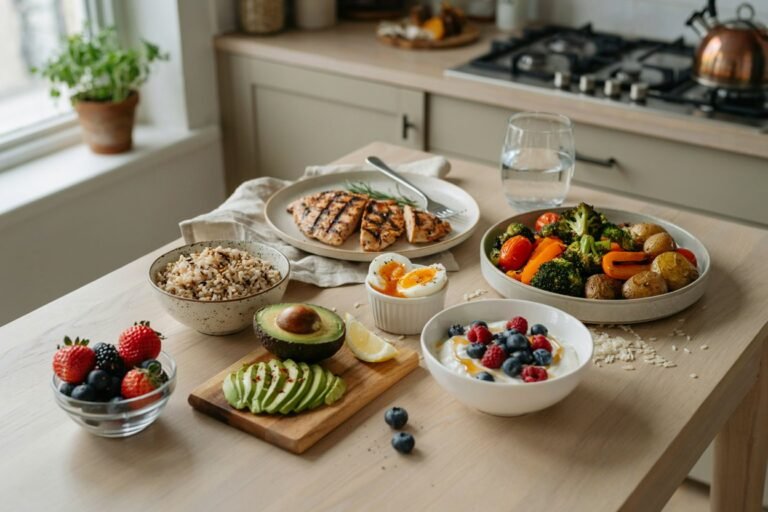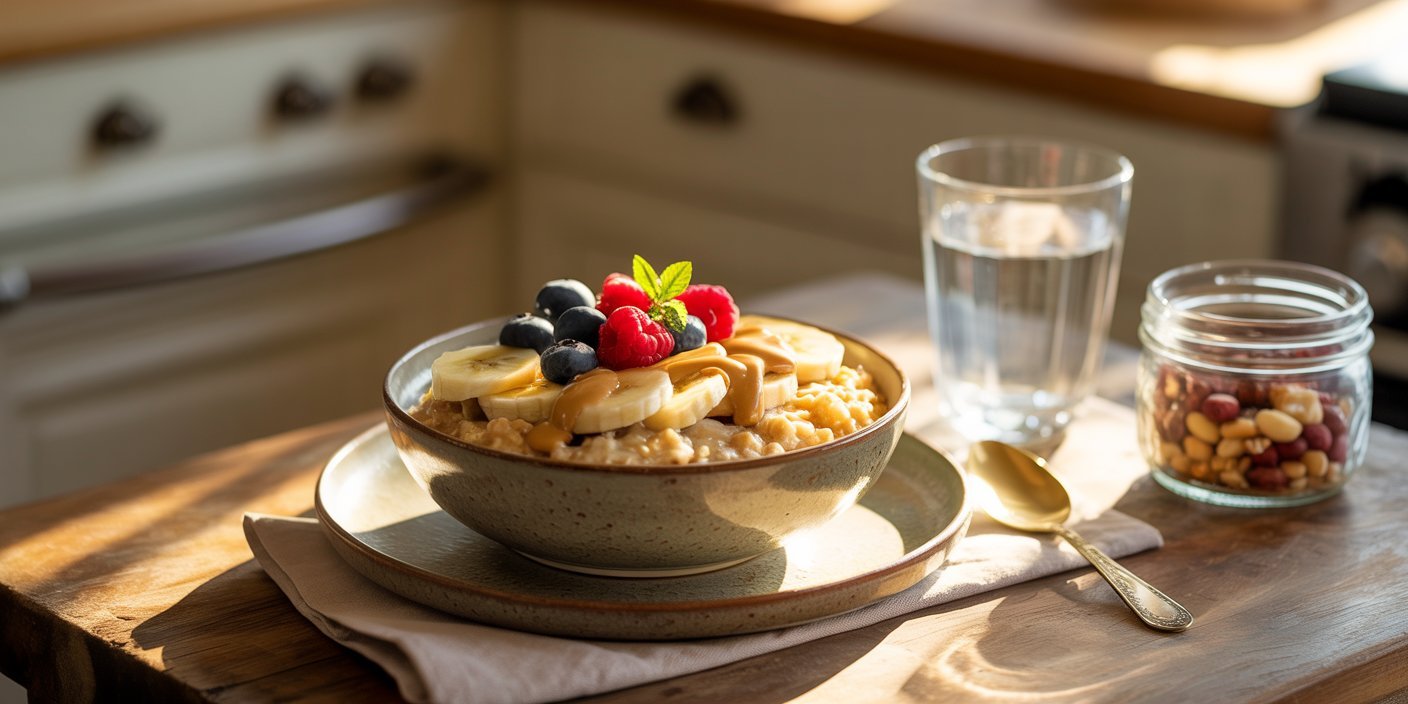
When I first heard about a 10-day oatmeal diet to shed pounds, I rolled my eyes. I imagined bland bowls, zero excitement, and quitting by day three.
But after a stretch of busy mornings, skipped meals, and way too many snacks, I needed a simple reset, not a crash diet.
So I tried a balanced oatmeal-focused plan for 10 days—nothing extreme, no starving, and definitely no “oatmeal only” nonsense.
What surprised me most wasn’t just the scale. It was how steady my energy felt, how much less I snacked, and how having one reliable meal base made everything easier.
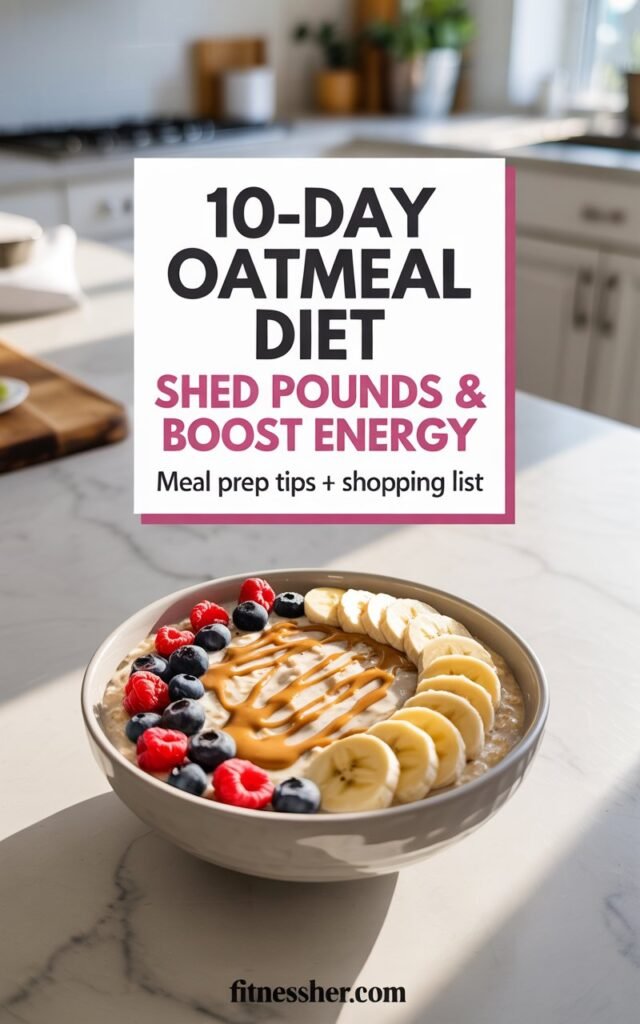
Oatmeal became my anchor—not my prison. I paired it with protein, fruits, veggies, and normal dinners, and that’s where the results actually came from.
This post isn’t about quick fixes or unhealthy restrictions. It’s about how I used oatmeal strategically for 10 days to feel lighter, more in control of my meals, and less obsessed with food.
If you’re looking for a realistic way to tighten things up, reduce bloating, and build better habits—this is for you.
5 Essential Items for Your 10-Day Oatmeal Diet
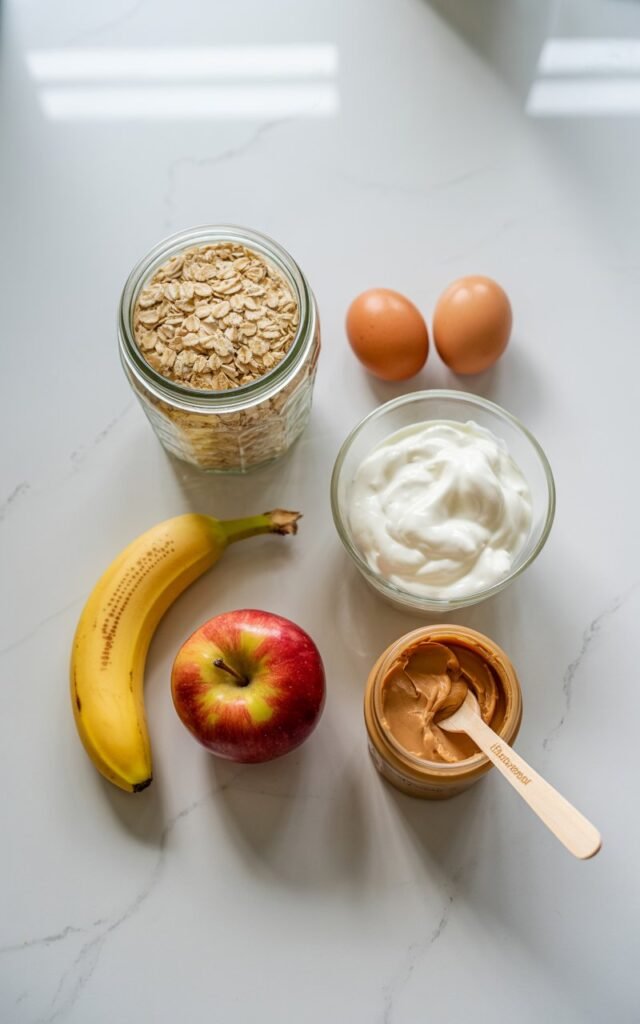
- Rolled Oats – The base of every meal
Buy Now on Amazon - Eggs – Easy protein for breakfast or savory oats
Buy Now on Amazon - Greek Yogurt (Plain, High Protein) – Creamy protein boost
Buy Now on Amazon - Bananas or Apples – Natural sweetness and fiber
Buy Now on Amazon - Peanut Butter or Mixed Nuts – Healthy fats to stay full
Buy Now on Amazon
How to Prep the 10-Day Oatmeal Meals (Simple, Real-Life Friendly)
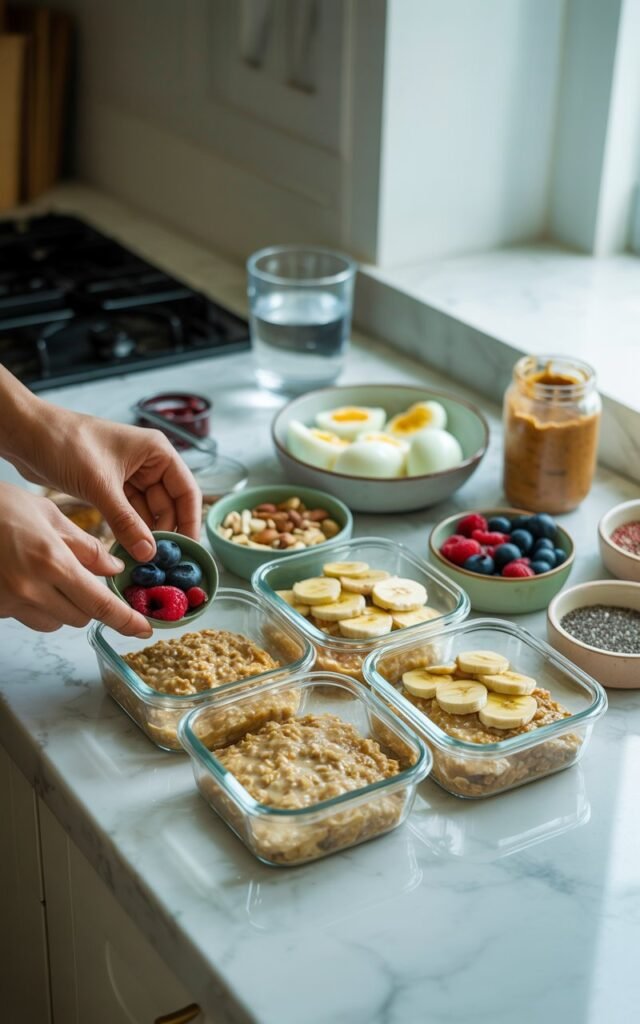
When I did this plan, meal prep is what saved me. Not motivation. Not willpower. Just having things ready so I didn’t overthink food when I was tired or busy.
Below is exactly how I prepped everything for the full 10 days without turning my kitchen into a mess.
Step 1: Choose the Right Oats (This Matters)
I used rolled oats, not instant and not steel-cut.
- Rolled oats cook fast
- They keep you full
- Easy to flavor sweet or savory
I avoided instant oats because they spike hunger faster and usually come with added sugar.
Step 2: Base Oatmeal Prep (2 Ways I Used Most)
Option 1: Stovetop (Daily Fresh – 5 Minutes)
This was my go-to on mornings when I wanted warm food.
How I made it:
- ½ cup rolled oats
- 1 cup water or milk
- Cook on low heat for 3–5 minutes
- Stir and remove once thick
Then I added toppings (protein + fiber).
Option 2: Batch Prep for 3–4 Days
This saved time on busy weeks.
How I batch-prepped:
- 2 cups rolled oats
- 4 cups water or milk
- Cook once, store in airtight containers
- Reheat with a splash of water or milk
I prepped plain oats only, then flavored each bowl differently so I didn’t get bored.
Step 3: Sweet Oatmeal Combos (Rotated These)
I kept sugar low and flavor high.
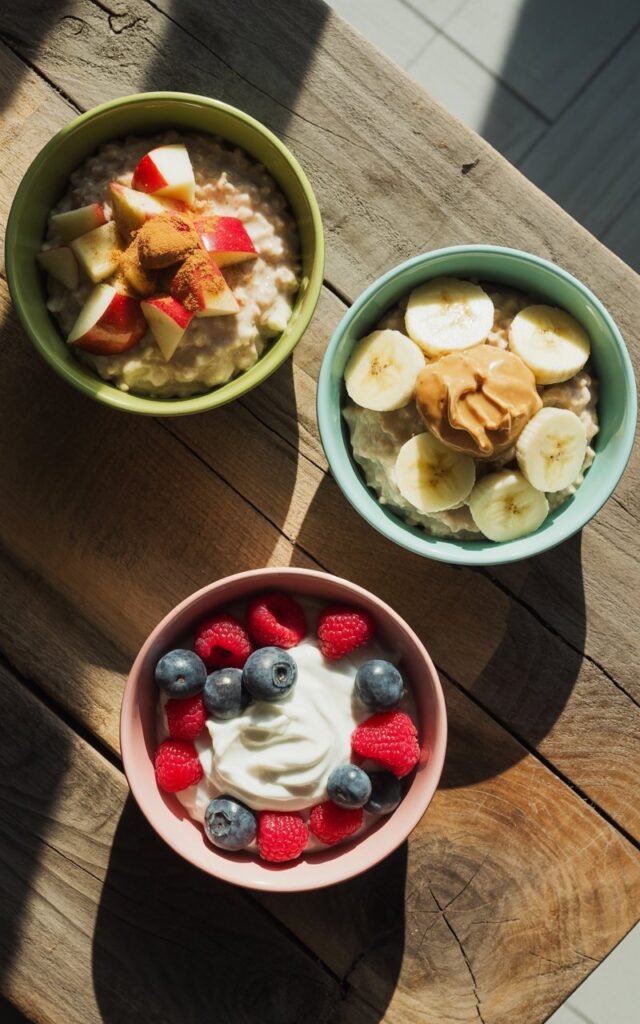
- Apple + cinnamon + chia seeds
- Banana + peanut butter
- Berries + Greek yogurt
- Dates (1–2 only) + nuts
Personal tip:
If oatmeal tastes boring, it’s usually missing fat or protein, not sweetness.
Step 4: Savory Oatmeal Prep (Game Changer)
This surprised me the most.
Base:
- Plain cooked oats
- Salt + black pepper
Add-ons I used:
- Fried or boiled egg
- Spinach or frozen veggies
- Leftover chicken or beans
- Olive oil drizzle
Savory oats helped a lot on days I didn’t want sweet food.
Step 5: Protein Prep (Do This Once, Thank Yourself Later)
Every oatmeal bowl needs protein.
Here’s what I prepped ahead:
- Boiled eggs (last 5–7 days refrigerated)
- Greek yogurt portioned into containers
- Nuts measured into small bags
- Peanut butter kept ready (no scooping guesswork)
Step 6: Snack Prep (So You Don’t Quit)
I didn’t snack often, but when I did, it was planned.
- Washed fruits ready to grab
- Yogurt cups
- Nuts (small portions)
- Boiled eggs
Unplanned snacking is where most diets fail.
Related Weight Loss Guides.
- How to Lose 11 Pounds in a Month (Safely & Realistically)
- 21-Day Cardio Workout Plan for Weight Loss
- How to Lose Your First 20 Pounds Fast: A Complete Fat Loss Plan
- How I Dropped Pounds and Toned Up in a Week With Bodyweight Workouts
- How to Lose Up to 5 Pounds in One Week Using Kettlebells
How the 10-Day Oatmeal Diet Works (Without Starving or Feeling Miserable)
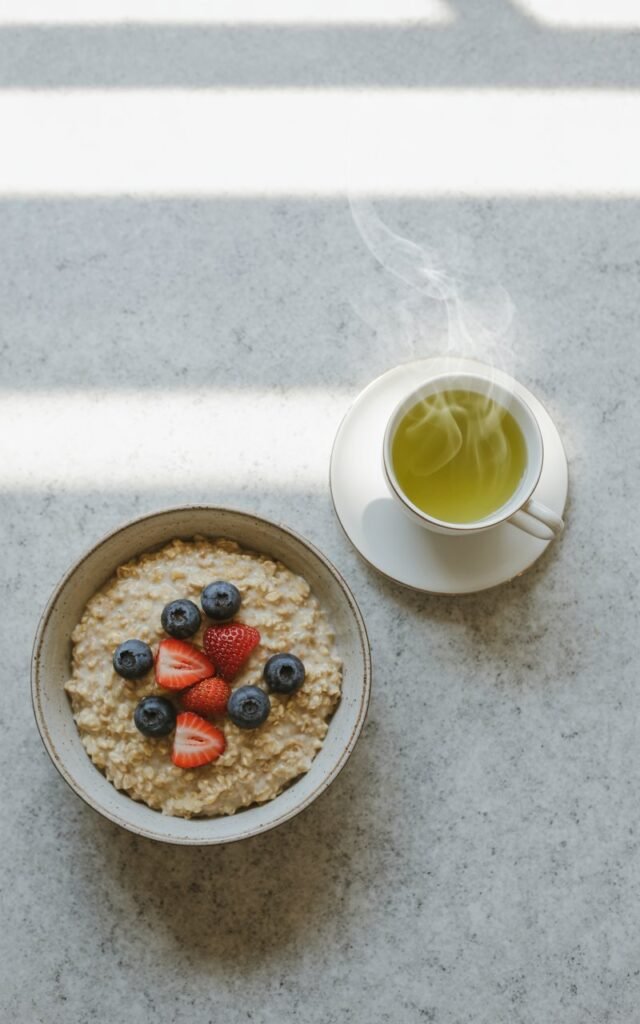
Before I get into what I actually ate, let me clear this up first: this is not an “eat oatmeal all day and suffer” plan.
That kind of approach backfires fast. What worked for me was using oatmeal as a structured base, not a punishment.
Here’s the simple rule I followed for all 10 days:
- 1–2 oatmeal-based meals per day (usually breakfast and sometimes lunch)
- One normal, balanced meal (mostly dinner)
- Smart snacks, not constant grazing
- Plenty of water
That’s it. No calorie counting. No food guilt. No pretending hunger is discipline.
My basic daily structure
Most days looked like this:
- Breakfast: Oatmeal + protein + fiber
- Lunch: Oatmeal bowl or a light regular meal
- Dinner: Normal food (home-style, balanced, not perfect)
- Snacks: Fruit, yogurt, nuts, or eggs if needed
What made this work is that oatmeal kept me full for hours. I didn’t get that shaky, snack-hunting feeling by mid-morning like I usually do.
Why oatmeal actually helps with shedding pounds
From my experience, oatmeal worked because it:
- Keeps you full longer, so you naturally eat less
- Reduces mindless snacking
- Helps with bloating when you drink enough water
- Makes meal decisions easier (less stress, fewer cravings)
I noticed by around day 3 or 4, my appetite felt calmer. I wasn’t constantly thinking about food, which honestly made sticking to the plan way easier than I expected.
Important rules I stuck to (this matters)
These are the non-negotiables that kept this safe and realistic:
- I never skipped meals
- I always added protein to oatmeal (eggs, yogurt, nuts)
- I avoided loading it with sugar
- I listened to hunger cues—if I was hungry, I ate
This wasn’t about suffering. It was about simplifying.
Days 1–3: Getting Started Without Shock (What I Ate & What Helped Most)
The first three days matter a lot. This is where most people quit—not because oatmeal is bad, but because they don’t prepare or balance it properly. I went into these days focused on feeling full, not forcing results.
What I ate (realistically)
Breakfast (every day):
I kept breakfast consistent because mornings are busy for me.
- Rolled oats cooked with water or milk
- One protein add-on:
- Greek yogurt stirred in or
- 1–2 boiled eggs on the side or
- Peanut butter or almond butter
- One fiber add-on:
- Berries, apple slices, or banana
- Chia seeds or flaxseeds
This combo kept me full for 4–5 hours, which honestly shocked me.
Lunch (flexible):
Some days I had oatmeal again, some days I didn’t.
- Savory oatmeal with egg + veggies
- Or a light regular meal (rice + veggies + protein)
I learned quickly that forcing oatmeal twice a day isn’t necessary. If lunch was already balanced, I let it be.
Dinner (normal food):
This was important for sanity.
- Protein (chicken, fish, eggs, beans)
- Veggies
- A normal carb portion
No extremes. I ate what my family ate—just slightly smaller portions.
What I noticed by Day 3
- Less bloating
- Fewer sugar cravings
- More predictable hunger
- No afternoon crashes
The biggest win was realizing I wasn’t constantly thinking about my next snack.
Personal tip that helped a lot
I prepped dry oatmeal portions ahead of time. That way, I didn’t overeat or under-eat. When food is ready, you’re more likely to stick to the plan.
Days 4–7: When the Scale Starts Moving (and Habits Click In)

This is where things got interesting. Around day 4, my body felt like it had settled into a rhythm.
What changed during these days
- I stopped craving sugary breakfasts
- Portions naturally got smaller
- I felt lighter, especially around my stomach
I didn’t weigh myself daily, but clothes started fitting better.
How I avoided oatmeal boredom
This part is key. Oatmeal only works if you change flavors.
I rotated between:
- Cinnamon + apple oatmeal
- Banana + peanut butter oatmeal
- Savory oats with egg, spinach, and seasoning
- Yogurt-style oats with berries
Same base, different taste. It kept things interesting without complicating my life.
Snacks (only when needed)
I didn’t snack just because it was “snack time.”
When I did snack, it was:
- Fruit
- Yogurt
- A handful of nuts
- Boiled eggs
No grazing. Just eating when hungry.
One honest struggle
By day 6, I wanted crunchy food. Instead of quitting, I added:
- Roasted veggies
- Toasted nuts
- Apples instead of soft fruits
That fixed it.
Days 8–10: Finishing Strong Without Burning Out
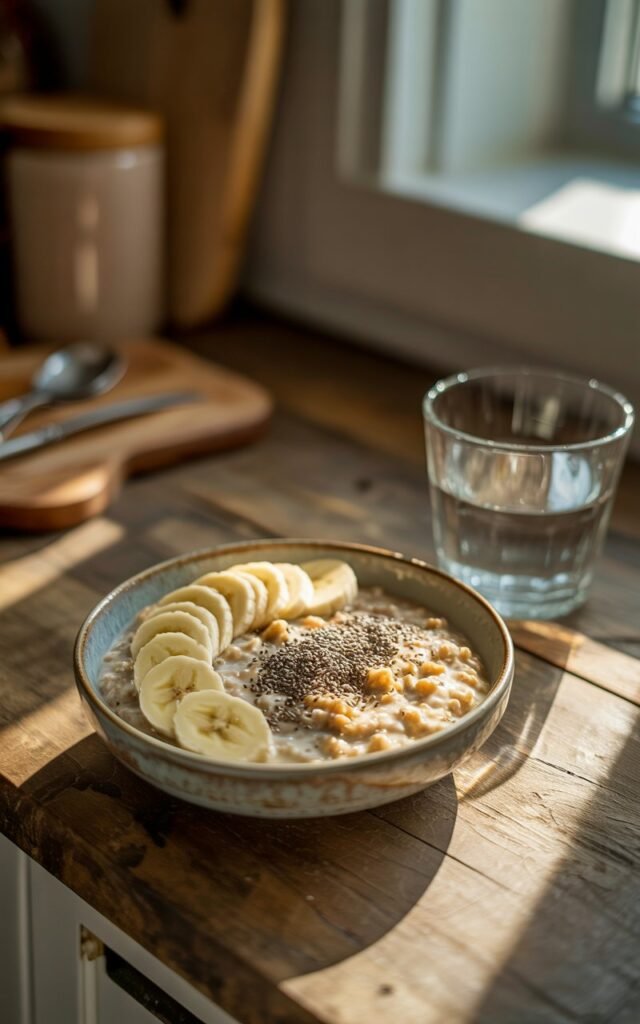
The last few days weren’t about pushing harder—they were about not ruining progress.
What I focused on
- Keeping meals simple
- Drinking enough water
- Sleeping better
At this point, oatmeal felt normal, not restrictive.
Results I noticed (realistic, not hype)
- Reduced bloating
- Better digestion
- A few pounds down (mostly water + fat)
- Way better control over portions
More importantly, I didn’t feel desperate to “rebound eat” when the 10 days ended.
Mistakes to Avoid (Learn From What I Almost Did)
These are common errors that make people fail this plan:
- Eating oatmeal without protein
- Adding too much sugar or sweeteners
- Skipping meals to “speed results”
- Eating oatmeal only and cutting everything else
- Not drinking enough water
Weight loss works best when your body feels safe, not stressed.
How to Transition After Day 10 (This Matters)
The real success comes after the 10 days.
What I did:
- Kept oatmeal for breakfast most days
- Ate balanced lunches and dinners
- Allowed flexibility on weekends
This helped me keep the weight off, not just lose it temporarily.
Why This 10-Day Oatmeal Diet Works for Weight Loss

What I like about the 10-day oatmeal diet is how simple and structured it is.
Instead of constantly deciding what to eat, I can rely on a basic, healthy foundation that keeps me on track without stress.
Oatmeal is naturally high in fiber, especially beta-glucan, which helps keep you full for longer and reduces unnecessary snacking throughout the day.
This makes it easier to stay in a calorie deficit without feeling deprived.
Another reason it works is because it supports stable energy levels.
Unlike sugary or processed breakfasts, oats digest slowly, helping prevent energy crashes and cravings later in the day.
I also love how versatile it is. You can combine oatmeal with fruits, nuts, yogurt, or seeds, which keeps meals interesting while still staying healthy and weight-loss friendly.
Most importantly, this plan helps build consistency. When your meals are simple and repeatable, it becomes easier to stick to healthy habits and see steady progress over time.
FAQ: 10-Day Oatmeal Diet to Shed Pounds
1. Can I lose weight in 10 days with oatmeal?
Yes, you may see initial weight loss, especially water weight and reduced bloating, depending on your overall diet and activity.
2. Is eating oatmeal every day healthy?
Yes, oats are rich in fiber and nutrients, but it’s important to include other foods for balanced nutrition.
3. What is the best way to eat oatmeal for weight loss?
Avoid added sugar and use healthy toppings like fruits, nuts, seeds, or yogurt.
4. Can I eat oatmeal more than once a day?
Yes, but it’s best to balance it with other protein and vegetable-based meals.
5. Does oatmeal burn belly fat?
Oatmeal doesn’t directly burn fat, but it helps control appetite and supports weight loss.
6. Can I exercise during the 10-day plan?
Yes, light to moderate exercise is recommended for better results.
7. Will I gain weight back after the diet?
Not if you continue healthy eating habits after the 10 days.
Final Thoughts: Is a 10-Day Oatmeal Diet Worth It?
From personal experience, yes—if you use it as a reset, not a punishment.
Oatmeal helped me:
- Simplify my meals
- Control hunger
- Build better habits
- Lose weight without feeling deprived
If you’re overwhelmed, bloated, or stuck, this can be a gentle way to get back on track.