I still remember the first time I stood in front of the mirror after a few weeks of consistent yoga and noticed something subtle but exciting. My stomach felt tighter. Not dramatic. Not overnight magic. Just flatter, stronger, and more supported from the inside out.
That moment changed how I viewed yoga completely.
If you are here because you want to flatten your stomach, I want to be honest with you right from the start. Yoga is not about chasing instant abs or punishing your body. What it does is far more powerful.
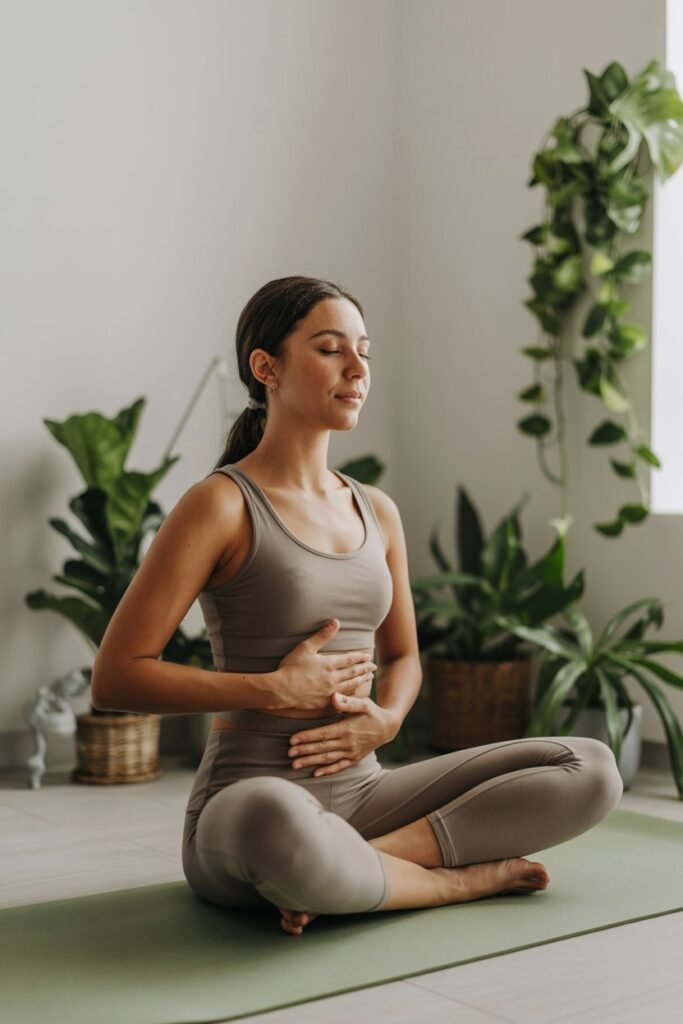
It strengthens your core, improves digestion, reduces bloating, lowers stress, and helps your body release stubborn tension that often shows up right around the belly.
I am going to walk you through the best yoga poses that actually help flatten your stomach, explain why they work, and show you how to use them in a realistic way that fits into your life.
Yes, it is doable. And no, you do not need to be super flexible or advanced to start.
Why the Stomach Area Is So Stubborn
Before I ever saw real change in my stomach, I had to understand why that area resists change more than anywhere else. This realization shifted how I practiced yoga and how I treated my body as a whole.
Your stomach is not just a physical area. It is deeply connected to your nervous system, digestion, breathing patterns, posture, and even your emotions. When stress becomes part of your daily life, your body goes into protection mode.
It releases cortisol, which signals your body to hold on to fat, especially around the midsection. This is not a failure on your part. It is your body trying to keep you safe.

Digestion plays an equally important role. When digestion slows down, bloating becomes constant. The stomach can feel tight, heavy, or swollen even if fat is not the real issue. I used to confuse bloating with weight gain until I realized that my body was simply holding tension and reacting to stress.
Posture also matters more than most people realize. When you spend hours sitting or slouching, your core becomes weak and disengaged.
The stomach then pushes forward naturally, not because of excess fat, but because it lacks internal support. Poor breathing habits make this worse. Shallow chest breathing causes the belly to tense instead of moving freely.

Yoga addresses all of these issues at the same time. It strengthens the deep core muscles that support your spine and organs. It calms your nervous system so your body no longer feels like it needs to hold on to stress weight.
It improves digestion by gently stimulating the abdominal organs. It also retrains your posture and breathing so your stomach can naturally pull inward.
Once I understood this, I stopped attacking my belly and started supporting it. That shift made all the difference.
Can Yoga Really Flatten Your Stomach?
I asked myself this question many times, and I think it is important to answer it honestly. Yoga does not promise instant results, and it does not magically melt fat overnight. But what it does offer is something far more sustainable.
Yoga works from the inside out. It strengthens the transverse abdominis, which is the deep core muscle that wraps around your waist like a corset.
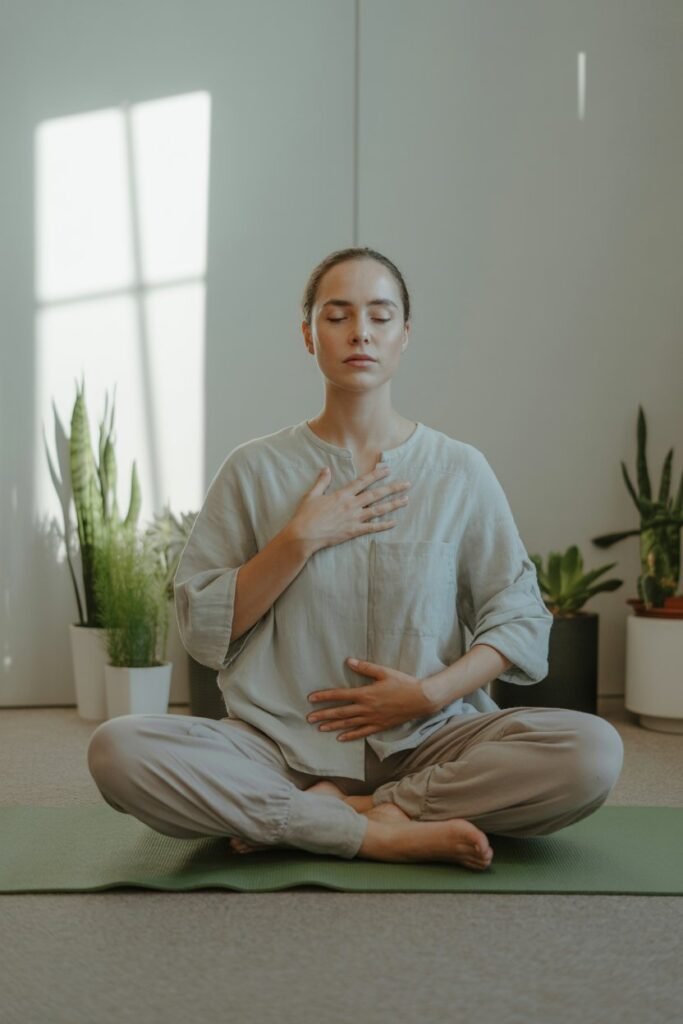
When this muscle becomes strong and active, your stomach naturally pulls inward, your posture improves, and your waistline looks more defined without forcing anything.
Yoga also reduces inflammation in the body. Chronic stress and poor digestion often cause inflammation, which shows up as bloating and stubborn belly weight. When I practiced regularly, my digestion became smoother, my stomach felt lighter, and that constant bloated feeling slowly faded.
Another powerful effect of yoga is stress reduction. Lower stress means lower cortisol levels. When cortisol decreases, your body stops clinging to belly fat for protection. This alone made a noticeable difference for me over time.
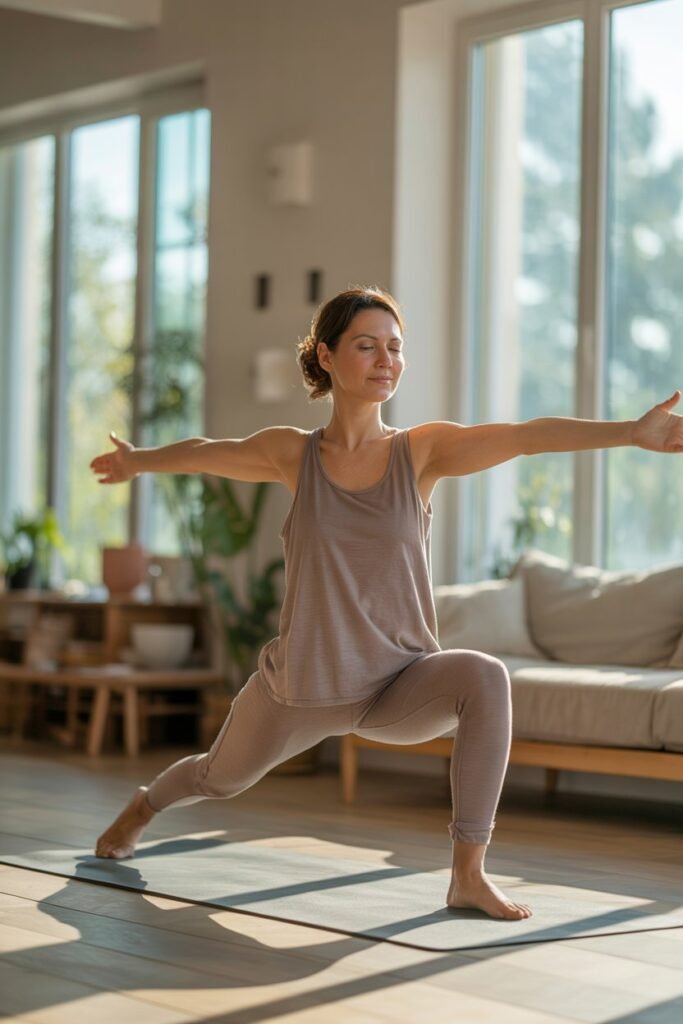
When I stayed consistent, my stomach changed gradually. It did not happen all at once. But week by week, my core felt stronger, my belly looked flatter, and my body felt more balanced. The results felt real because they were built on habits, not extremes.
If you approach yoga with patience, intention, and consistency, it truly works.
How I Approach Yoga for a Flatter Stomach
This mindset shift mattered more than any single pose I practiced.
In the beginning, I rushed through yoga the same way I rushed through workouts. I wanted fast results, and I treated yoga like another task to check off my list. Not surprisingly, I felt sore but did not see much change.
Everything shifted when I slowed down.
I began focusing on my breath instead of my appearance. I learned to engage my core gently, drawing my belly in without gripping or forcing. I started listening to my body instead of pushing through discomfort just to feel productive.

I also let go of the idea that longer sessions were better. Some days I practiced for twenty minutes when I had the time and energy. Other days I practiced for ten minutes and stopped. What mattered was that I showed up consistently.
I started treating yoga as a daily conversation with my body. Some days my body needed strength. Other days it needed release. By honoring that, I reduced stress instead of adding to it, and my stomach responded naturally.
If you want a flatter stomach, I encourage you to approach yoga with curiosity rather than pressure. When your body feels supported, it changes more willingly.
Consistency, awareness, and patience will always take you further than intensity ever could.
Best Yoga Poses to Flatten Your Stomach
These are the yoga poses I rely on most when I want to feel strong, supported, and lighter through my midsection. Each one works in a slightly different way.
Some build deep core strength, others improve digestion, and some help release stress that quietly settles into the belly over time.
What I love most is that you do not need to rush through these poses or perform them perfectly. When you move slowly and breathe with intention, your body responds far more effectively.
Boat Pose
Boat pose was uncomfortable for me the very first time I tried it, and honestly, that discomfort was my first clue that it was doing something meaningful.
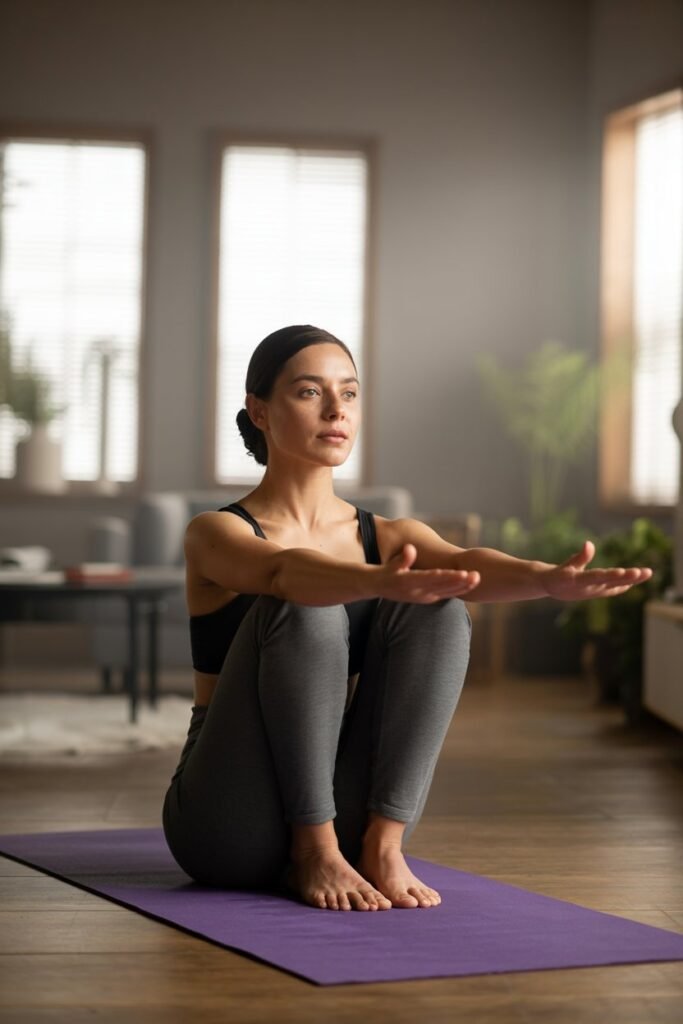
This pose directly targets the deep core muscles, especially the lower belly. When you balance on your sit bones and lift your legs, your body has to recruit muscles that often stay dormant during daily life.
I could feel my core shaking at first, and instead of seeing that as failure, I learned to see it as activation.
I like to begin with my knees bent and my hands lightly supporting my thighs. This allows me to sit tall and keep my chest lifted. As my strength improved, I slowly worked toward straightening my legs and reaching my arms forward.
I always focus on lengthening my spine rather than collapsing into my lower back.
Even holding boat pose for a few steady breaths builds strength over time. When I practiced it consistently, I noticed my lower belly feeling firmer and more supported, both on and off the mat.
Plank Pose
Plank looks simple, but it completely transformed how I understood core strength.
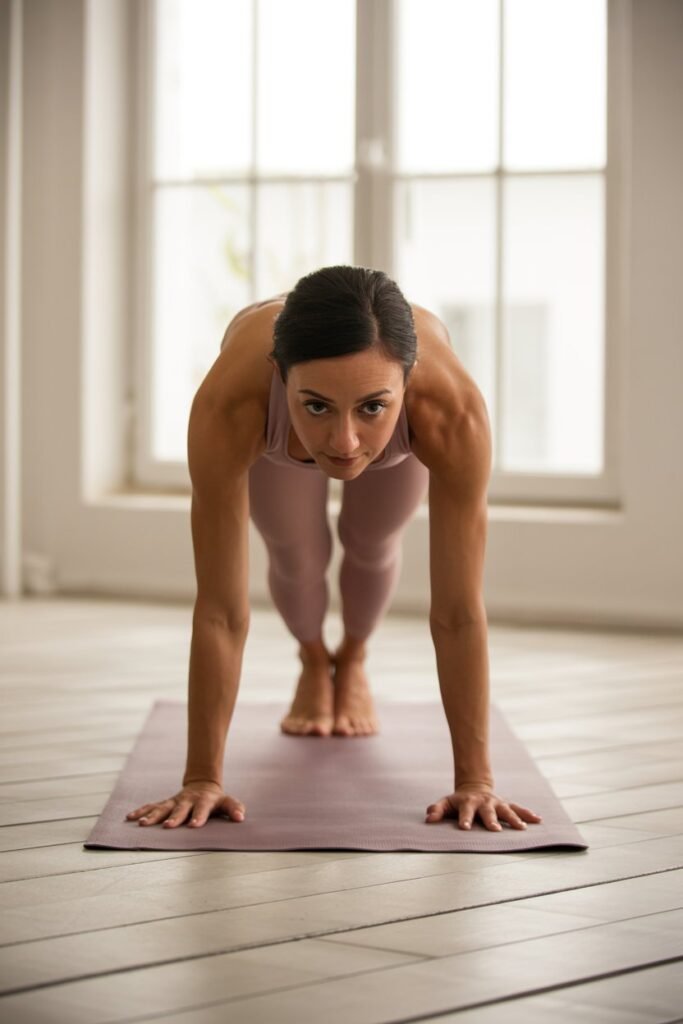
When I come into plank, I make it a point to engage my belly gently instead of gripping it. I draw my navel inward, lengthen my spine, and press firmly through my palms.
This activates the deep abdominal muscles that help flatten the stomach naturally.
At first, I struggled to hold plank for long, and that was okay. I reminded myself to breathe instead of holding tension.
When my shoulders or wrists felt overwhelmed, I dropped my knees without guilt. Modified plank still delivers incredible benefits when done with awareness.
Over time, plank taught me how to support my body from the inside. That internal support is what helped my stomach appear flatter without forcing it.
Cobra Pose
Cobra pose helped me in a way I did not expect, especially when it came to bloating and digestion.
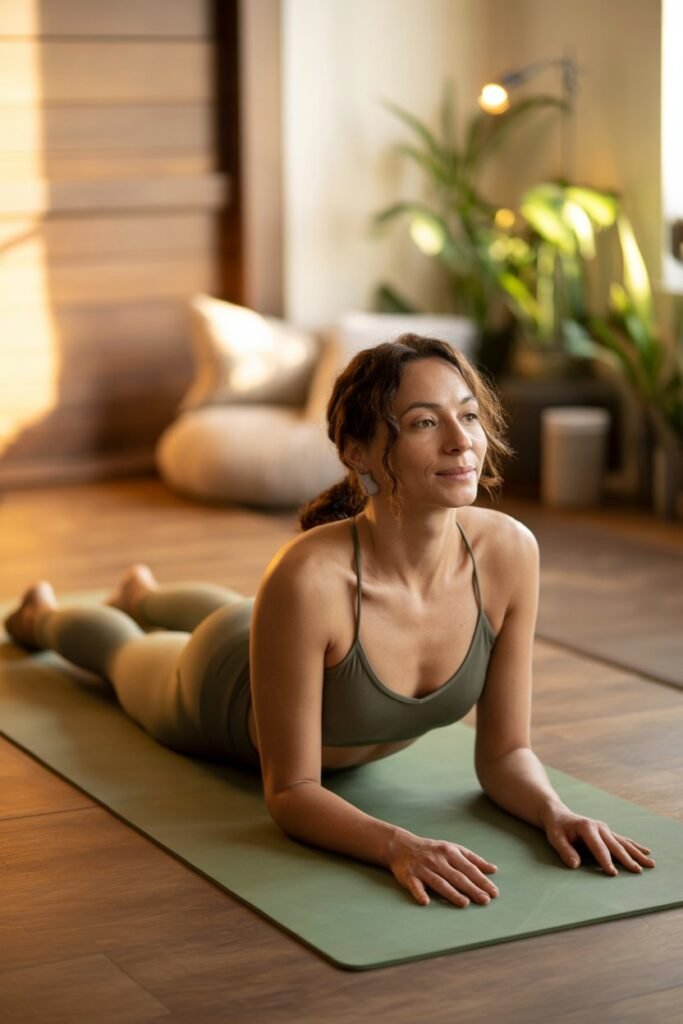
While cobra is not a traditional core exercise, it gently stretches the abdominal area and stimulates the digestive organs. I noticed that when I practiced cobra regularly, my stomach felt less tight and heavy, especially after long days of sitting.
As I lift my chest, I keep my elbows slightly bent and my shoulders relaxed. I focus on opening the front of my body rather than pushing myself into a deep backbend. Pressing my hips gently into the mat helps me feel grounded and supported.
This pose feels especially soothing after core-focused poses. It reminds my body that strength and softness can coexist, which is essential for lasting change.
Seated Twist
Twists quickly became one of my favorite tools for flattening my stomach in a gentle, sustainable way.

When you twist, you massage the digestive organs and encourage better circulation through the abdomen. This helps reduce bloating and releases tension that often builds up during stressful days.
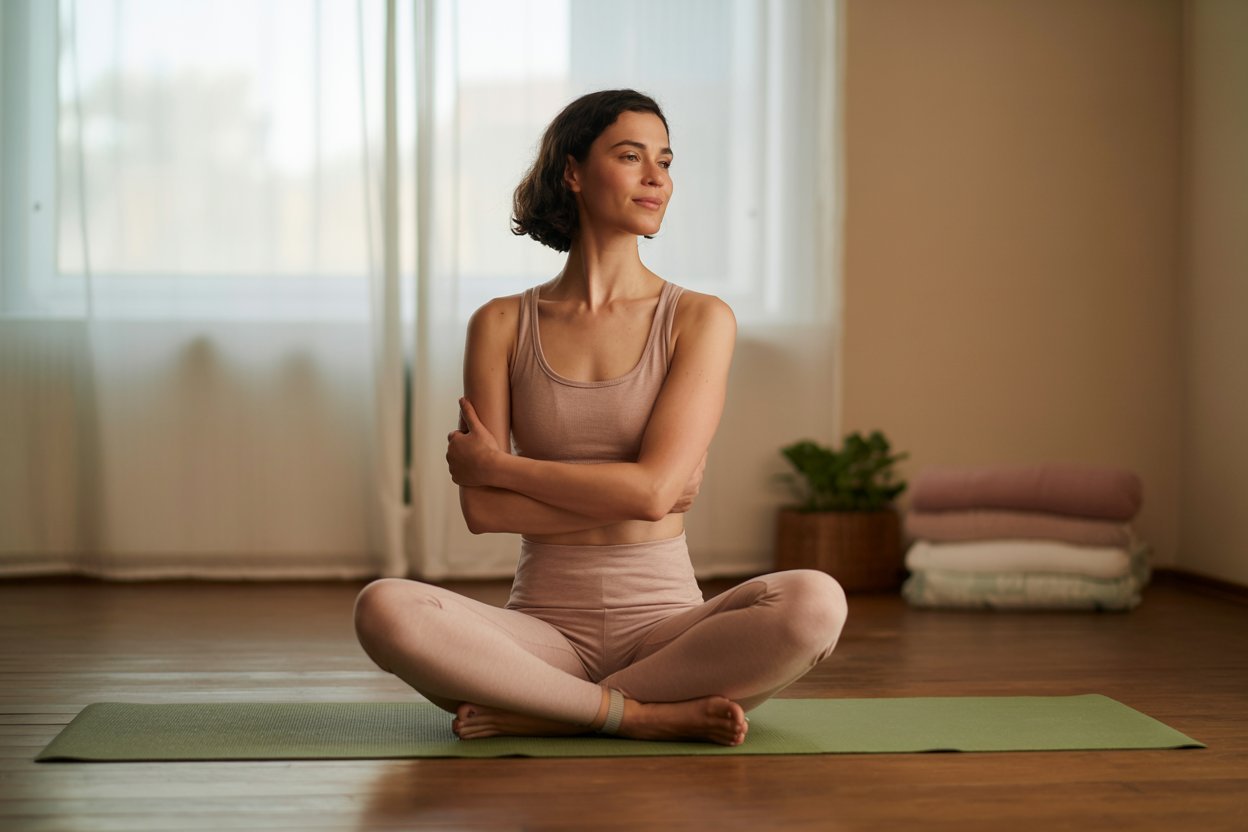
I always start by sitting tall and grounding through my sit bones. I inhale to lengthen my spine, then twist slowly as I exhale. I never force the movement or push past comfort.
Gentle twists done mindfully work far better than aggressive ones.
I often practice seated twists in the evening. They help me unwind, release tension, and support digestion before bed, which makes a noticeable difference the next morning.
Downward Facing Dog
Downward facing dog works your core in a quiet but powerful way.
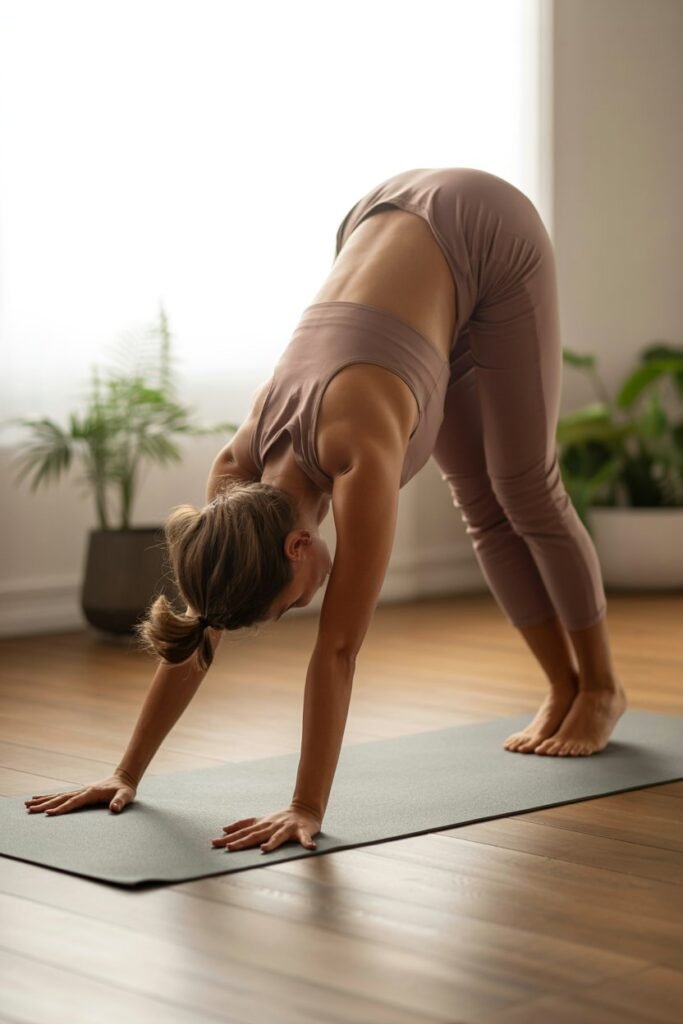
As you press your hips back and lengthen your spine, your abdominal muscles naturally engage to support the posture.
At the same time, this pose calms your nervous system, which plays a huge role in reducing belly tension and stress-related bloating.
I use downward dog as a place to reset during my practice. I pedal my feet, soften my knees if needed, and focus on slow, steady breathing. Instead of gripping my stomach, I allow it to relax while staying gently engaged.
This balance between effort and ease is what makes downward dog so effective for overall body support.
Wind Relieving Pose
If bloating is a major concern for you, this pose can make an immediate difference.
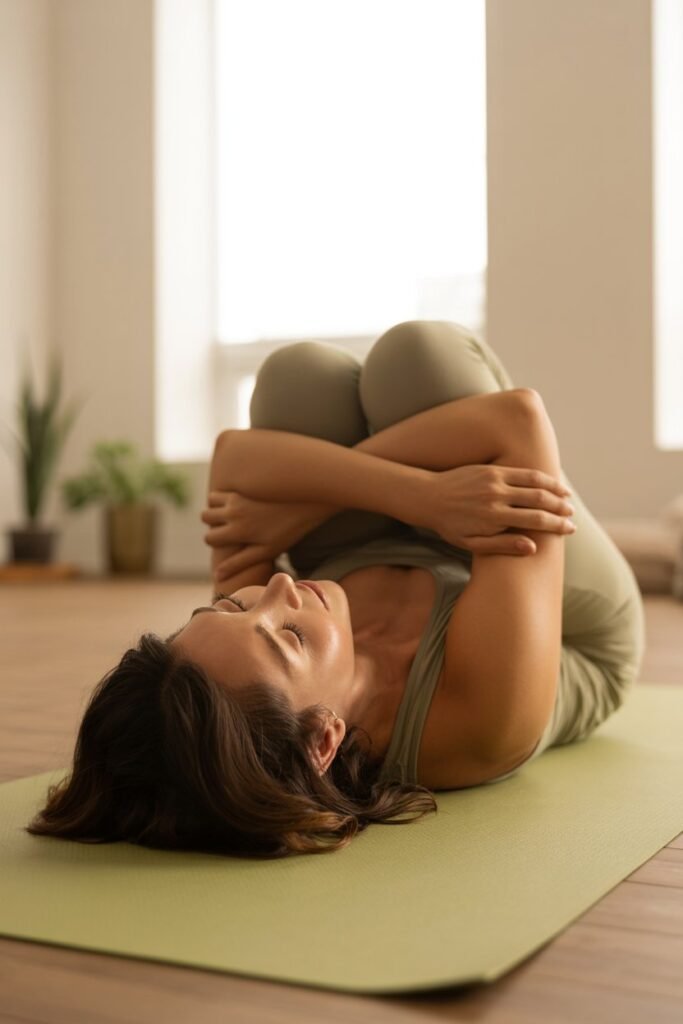
Lying on your back and hugging your knees into your chest helps release trapped gas and stimulates digestion. It may look simple, but it is incredibly effective when done with intention.
I usually end my practice with this pose and stay for several slow breaths. I let my lower back relax into the mat and allow my belly to soften completely. Almost every time, I feel lighter and more comfortable afterward.
It is a reminder that sometimes the most gentle poses offer the greatest relief.
How Often You Should Practice for Real Results
This is where consistency matters more than anything else.
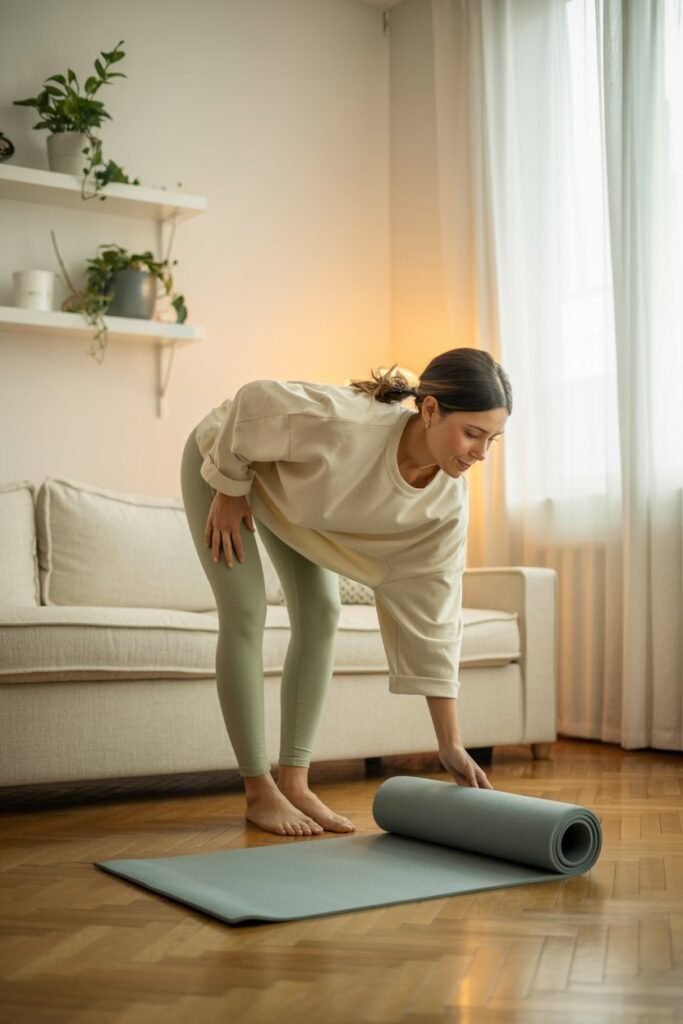
I started noticing real changes when I practiced yoga four to five times a week. Some sessions were longer, and some were very short. What mattered was showing up regularly.
You do not need to practice every pose every day. Even ten to fifteen minutes of mindful movement can support your body when done consistently.
As your strength and confidence grow, you can naturally extend your practice without forcing it.
Yoga works best when it becomes part of your routine rather than a temporary solution you try to rush through.
Mistakes I Made That Slowed My Progress
I want to be honest about this because learning from these mistakes made a huge difference for me.
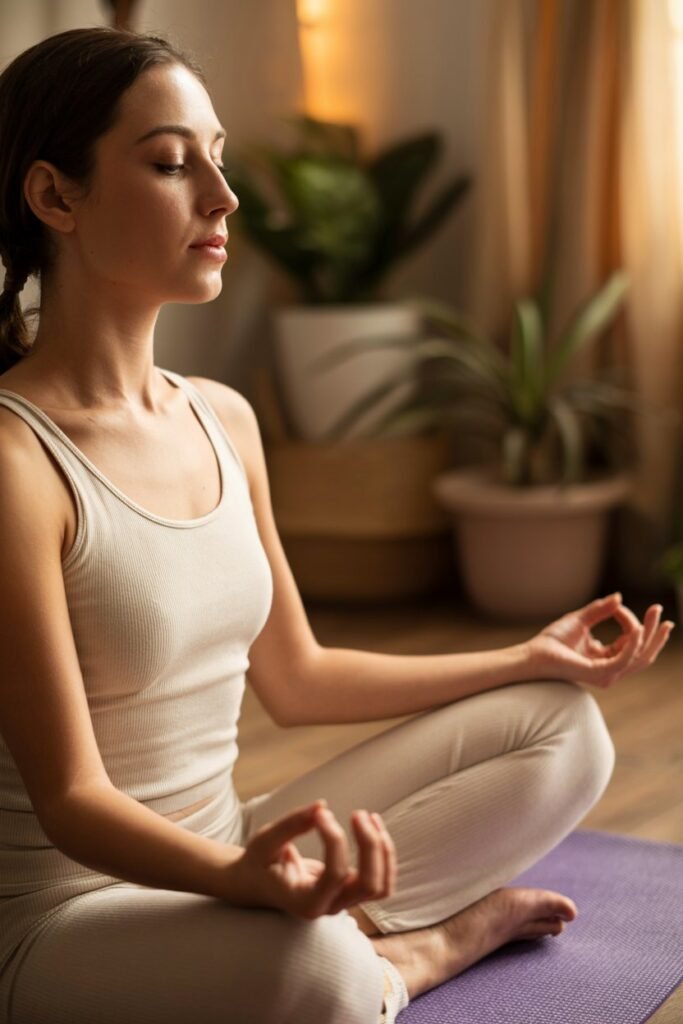
I used to hold my breath during challenging poses without realizing it. I also pushed my body too hard instead of listening to it.
I expected fast results and felt discouraged when they did not appear immediately. Most importantly, I focused only on exercise and ignored how much stress affected my stomach.
Once I shifted my focus to breathing, patience, and consistency, everything began to change. My body responded better when it felt supported instead of pressured.
Small Habits That Helped Flatten My Stomach Faster
Yoga became even more effective when I paired it with small, supportive habits.
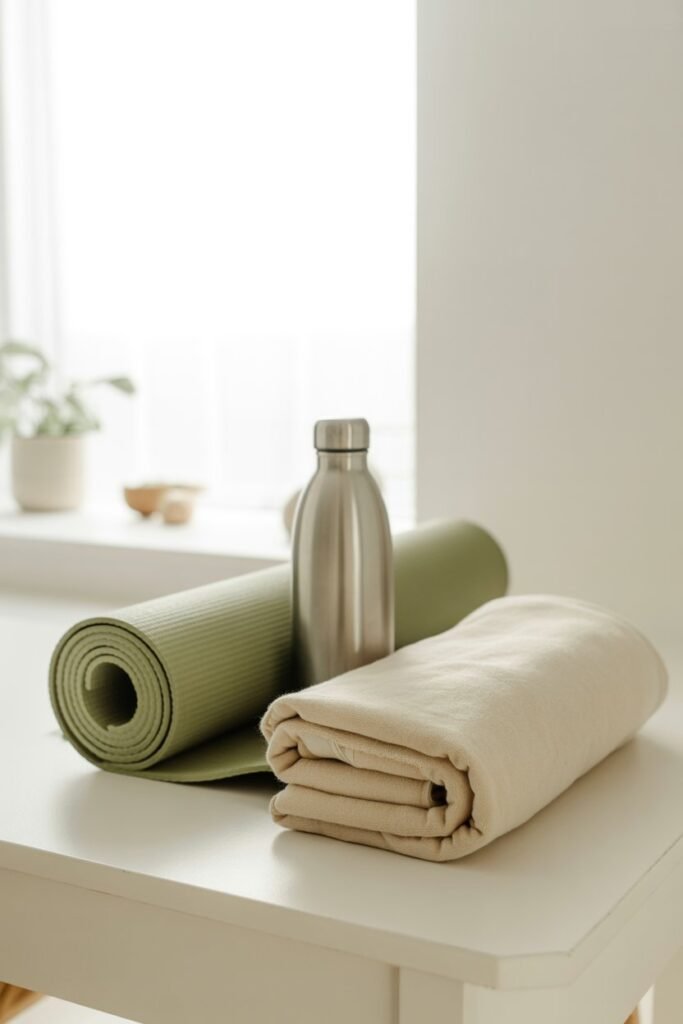
I practiced on an empty or lightly fed stomach so my body could move more comfortably. I made a conscious effort to drink more water throughout the day.
I paid attention to my posture when sitting and standing, especially during long hours of work. Most importantly, I focused on reducing stress instead of obsessing over how my stomach looked.
These small changes worked quietly in the background, supporting my yoga practice and helping my body respond in a more natural and lasting way.
Final Thoughts
Flattening your stomach is not about forcing change. It is about supporting your body in the right way. When I stopped rushing and started practicing yoga with patience and awareness, my body responded naturally.
Yoga strengthened my core, eased bloating, reduced stress, and helped my stomach feel lighter and more supported over time. The changes were gradual, but they were real and lasting.
If you stay consistent, breathe deeply, and treat your body with kindness, you will notice the difference. Trust the process, keep showing up, and let your body do what it knows how to do best.